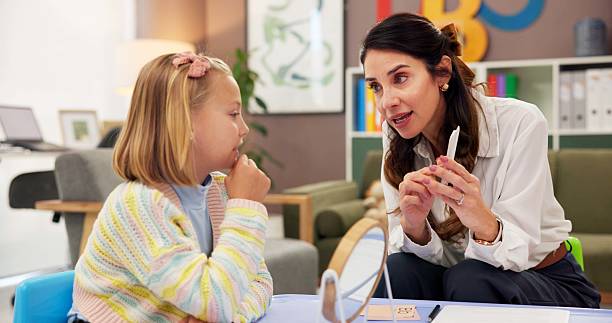
Childhood sets the stage for an entire lifetime of learning, behavior, and health. Every child develops at their own pace and faces their own hurdles. Therapy services can play a vital role in those first few years, and some kids just need a little extra help to blossom. The services support emotional, social, and cognitive development, helping children build the critical skills they need for life.
Emotional balance plays a vital role in a child’s happiness and success. Therapy services for children give them a safe space to express feelings and fears. With professional guidance, young individuals learn to identify, process, and manage emotions constructively. Emotional regulation skills gained through therapy can help children handle stress, disappointment, and life changes more effectively. Nurturing emotional intelligence early can lead to greater confidence and healthy relationships later.
Interacting with peers and adults is fundamental for positive childhood experiences. It can be difficult for some of our children to make friends or express their needs. Therapy can also provide some structure and activities that aid in learning how to share, listen, and work together. These exercises help children be patient and understand others. Improved social skills help reduce loneliness and increase self-confidence over time.
Effective communication ensures that children can express their thoughts, desires, and concerns appropriately. It treats speech, language, or the use of a communication platform where the patient may be facing delays or difficulty in speaking, understanding, or using language. These one-on-one sessions can involve games, storytelling, or activities that require the child to speak out loud. Communication helps children not only perform better academically but also be more involved in daily life.
Physical abilities enable children to explore their world and gain independence. Some children experience difficulties with movement, coordination, or fine motor skills. Therapists work on strengthening muscles, improving balance, and developing fine motor skills through targeted exercises. Such activities may be drawing, playing with blocks, or an uncomplicated sports activity, with everything customized to the child. As their gross and fine motor skills develop, so do their self-esteem and independence.
Life can bring changes or unexpected challenges. For some children, adjusting to new places or bouncing back from setbacks is never easy. Therapy services teach practical coping mechanisms, such as deep breathing, mindfulness, and problem-solving strategies. When children practice these tools in a safe space, they become better able to handle disappointment and change. These skills will enable them to face challenges calmly and with perseverance throughout their lives.
Each child is different, with their own strengths and weaknesses! Therapists evaluate each child individually and with input from families, and based on milestones. These goals are set jointly so that therapy aligns with each child's interests and priorities. Through regular reviews, we can refresh the planned interventions to make them more effective and engaging. Therapy is more meaningful and motivating to children when it is individualized.
A child's development is shaped by their family, caregivers, and therapy services. These services also typically involve advice and education from a parent or guardian. By learning proper communication and behavior management, families can support progress in daily home environments. This consistency helps the child feel supported and allows for collaboration between therapists and caregivers. Together, this partnership enables families to advocate for their child's needs with confidence.
Therapy can positively influence learning and engagement in school. Children who can articulate needs, regulate emotions, and collaborate with peers are more likely to succeed in classroom environments. Therapists may also work with teachers to ensure strategies are consistently implemented across settings. This collaboration helps the child academically and makes it easier for them to transition at home and school. This means that children can learn to the best of their ability and enjoy their school lives.
Therapy services provide essential support as children progress through their developmental stages. By considering emotional, social, physical, and academic needs, these services lay a foundation for lasting health. All children can learn and flourish wherever they are, with the right supports. When families, educators, and therapists work together, children have the best chances for success and happiness.
 Supriyo Khan
 Supriyo Khan
 Supriyo Khan
 Supriyo Khan

Want to add a comment?