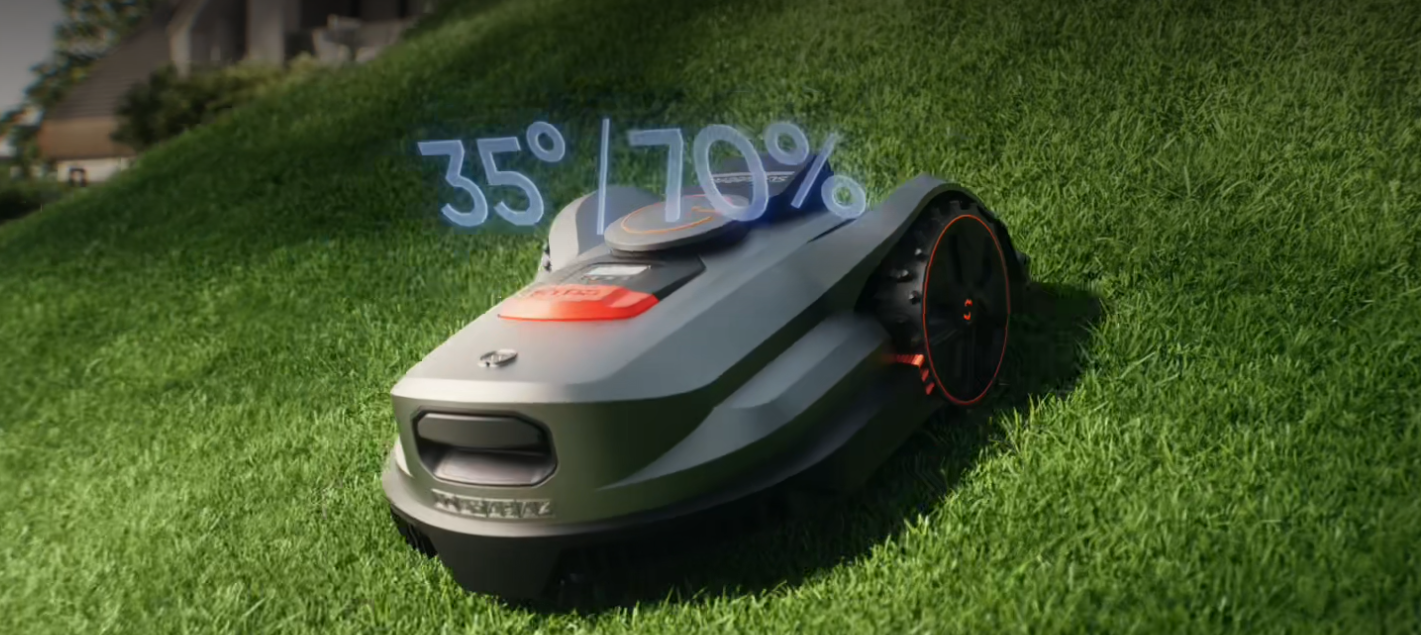
Robotic lawn mowers promise neat lawns with almost no effort, but many owners worry about curious pets sharing the same yard. Your dog or cat may like to sniff, chase, or nap on the grass, so it makes sense to ask how safe these machines really are. Modern robotic mowers use sensors, low‑profile blades, and smart navigation to reduce risk. However, they still carry cutting parts and move on their own, so you should understand both the benefits and limits of their safety systems. By learning how these mowers work, when incidents can happen, and which habits protect animals, you can decide if a robotic mower fits your pet‑friendly home.
Are robotic lawn mowers safe for pets?
Built-in safety features like sensors and auto-stop
Most modern robotic lawn mowers include several layers of safety to reduce the chance of harming pets. Lift and tilt sensors stop the blades within seconds if someone picks up or tips the mower. Bump sensors detect obstacles, such as a lying dog, and tell the mower to reverse and choose another path. Many models use ultrasonic or proximity sensors to slow down before they hit anything. Some systems also rely on boundary wires or virtual zones that keep the mower only in approved areas. When these features work together and owners follow the manual, the mower usually avoids close contact with animals and cuts only grass, not paws or tails.
Robotic mowers use smaller, lighter blades than traditional lawn mowers, which lowers the risk of severe injuries. Many models feature pivoting razor blades that fold back on impact instead of staying rigid, so they are less likely to cause deep cuts if they ever touch an object. The blades sit well under the mower’s body, surrounded by a protective shell and a wide guard, which makes direct contact with paws or noses less likely. The low cutting height and slower blade speed also reduce potential damage compared with a fast, open rotary mower. While this design does not remove all danger, it creates a more controlled and forgiving cutting action around pets.
Pets may interact with robotic mowers in several common situations. A playful dog might chase the moving machine, bark at it, or try to paw at the shell. Some cats may stalk the mower or swat it as it passes. Curious puppies often sniff new objects and can get too close to the moving wheels. Pets that like to rest in the shade may lie directly on the grass where the mower plans to travel. Night runs can hide the mower from your view, so pets roam unsupervised while it works. Even calm animals may cross paths with the mower when they go outside for bathroom breaks, especially in smaller yards.
Robotic mowers mainly rely on bump or proximity sensors, so they may not always detect tiny or low‑lying animals in tall grass. Small pets, such as rabbits, tortoises, or very small toy breeds, face a higher risk if they remain still and the mower does not sense them in time. Wildlife like hedgehogs or frogs can also stay motionless and become hidden obstacles, especially at night. In some rare cases, the mower may drive over them before it stops or changes direction. Thick lawns, uneven ground, and cluttered gardens increase this risk because they can reduce sensor effectiveness and make small bodies harder for the mower to recognize.
Most safety concerns arise when the mower runs without supervision while pets roam freely. Issues can occur if a dog pins the mower against a fence or corner, preventing normal obstacle detection. Another concern is when owners ignore the recommended cutting height and let thick grass hide toys, leashes, or chewing bones that pets later retrieve near the blades. Running the mower at night can create risk for nocturnal animals that visit the yard. Problems also occur if people bypass safety settings, such as disabling lift sensors or removing blade guards. Poor installation of boundary wires may let the mower enter pet play areas where animals rest, eat, or sleep.
The simplest way to protect pets is to run the robotic mower only when animals stay indoors or in a separate fenced area. Set a fixed mowing schedule for early morning or late afternoon when your dog usually rests inside. Many mowers allow app‑based timers, so you can match operation times to your pet’s routine. Before the mower starts, bring pets into the house and close doggy doors or gates. After the mowing cycle ends and the mower returns to its charging station, check the yard for any issues, then let the animals back out. This approach almost eliminates direct contact and makes safety systems a backup, not your main defense.
Basic training helps pets learn to ignore the mower rather than chase it. Use a leash at first and let your dog watch the mower from a distance while you reward calm behavior with treats. If the dog tries to chase, give a firm cue like “leave it” and redirect attention. Keep early sessions short so your pet does not get stressed. Over time, most dogs stop caring about the machine. For cats, avoid forcing contact; instead, let them watch from a window or porch until the mower feels routine. Never encourage play with the mower, and ask family members not to kick, ride, or push it in front of pets.
When you have pets, safety features should drive your choice of robotic mower. Look for models with fast blade‑stop times when lifted or tilted, and clear certification from safety standards organizations. Advanced obstacle detection, such as ultrasonic sensors or cameras, helps the mower slow down or reroute before contact. A wide bumper, recessed blades, and strong wheel guards add another layer of protection. App controls that allow quick emergency stops and flexible scheduling make it easier to adjust for your pet’s habits. Some systems let you create no‑mow zones or temporary exclusion areas, which is useful for dog runs, kennels, or spots where animals like to rest or dig.
The Sunseeker elite robotic lawn mowers can be reasonably safe around pets when owners use them with care and choose models that prioritize protection. Built‑in sensors, automatic blade stops, and guarded cutting decks help reduce injury risk, especially for larger dogs and supervised yards. Still, these machines carry sharp blades and move on their own, so they should never share the lawn with unsupervised animals. You lower risk the most by scheduling mowing while pets stay indoors, training them to ignore the mower, and blocking off sensitive areas. By combining smart features with responsible habits, you can enjoy a tidy, low‑maintenance lawn without putting your pets in unnecessary danger.
 Supriyo Khan
 Supriyo Khan
 Supriyo Khan
 Supriyo Khan

Want to add a comment?