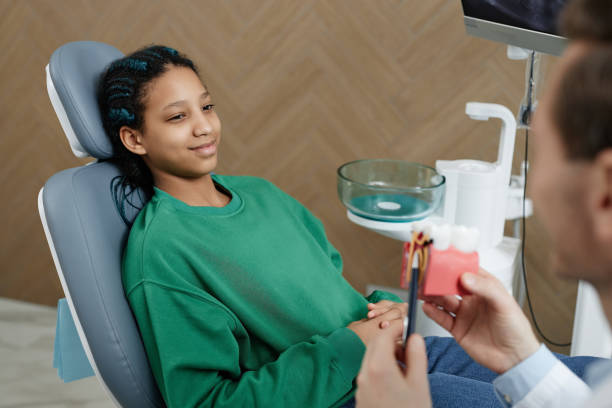
Adolescence is a transformative stage marked by rapid physical growth, evolving social dynamics, and increasing independence. While much attention is given to mental health, academics, and extracurricular development, one critical aspect often overlooked is dental care. For teenagers, oral health is not just about preventing cavities—it plays a significant role in confidence, social interaction, and long-term overall health.
Understanding how dental care influences teen development can help parents and caregivers make more informed decisions that support both immediate well-being and lifelong habits.
During the teenage years, the mouth undergoes substantial changes. Most permanent teeth have erupted, wisdom teeth may begin to develop, and orthodontic concerns often become more noticeable. At the same time, teens are more likely to take ownership of their hygiene routines—sometimes inconsistently.
This combination of biological change and behavioral independence makes teens particularly vulnerable to dental issues such as:
Tooth decay and cavities
Gum inflammation (gingivitis)
Misalignment or bite problems
Enamel erosion from diet and habits
Left unaddressed, these issues can extend beyond oral discomfort. Research consistently shows a connection between oral health and systemic health, including links to inflammation, nutrition, and even self-esteem.
Cavities remain one of the most common chronic conditions among teenagers. While sugar consumption is often blamed, the issue is more nuanced. Frequent snacking, acidic beverages (like soda and energy drinks), and inconsistent brushing habits all contribute to enamel breakdown.
Teens also tend to have busier schedules, which can lead to skipped brushing or rushed hygiene routines. Add orthodontic appliances like braces into the mix, and maintaining proper oral care becomes even more challenging.
The real concern isn’t just the cavity itself—it’s the long-term pattern. Poor dental habits formed during adolescence often carry into adulthood, increasing the risk of more serious complications later on.
One of the most visible aspects of dental health in teens is tooth alignment. Crooked teeth, gaps, or bite issues can significantly impact how teens perceive themselves and how they interact with others.
Confidence during adolescence is closely tied to appearance. A healthy, aligned smile can positively influence:
Social participation
Willingness to speak or smile openly
First impressions in academic and social settings
This is where orthodontic care becomes more than a cosmetic consideration. Consulting an experienced orthodontist in Stafford, VA can help identify alignment issues early and create a treatment plan that supports both functional health and confidence.
Importantly, modern orthodontic options—such as clear aligners—offer more discreet solutions, making teens more open to treatment compared to traditional braces in the past.
Dental health is deeply interconnected with overall physical health. Poor oral hygiene can lead to bacterial buildup, which doesn’t just stay in the mouth. It can enter the bloodstream and contribute to broader health concerns.
For teens, this connection shows up in several ways:
Nutrition: Pain from cavities or misaligned teeth can affect eating habits, leading to poor nutrition
Sleep: Dental discomfort or jaw issues can interfere with sleep quality
Speech development: Misalignment can affect pronunciation and communication confidence
Mental health: Visible dental issues can contribute to self-consciousness or social anxiety
By addressing dental problems early, parents can prevent a cascade of issues that extend beyond oral health.
One of the most valuable outcomes of prioritizing dental care during adolescence is habit formation. Teens who develop consistent oral hygiene routines are far more likely to maintain them into adulthood.
Key habits to reinforce include:
Brushing at least twice a day with fluoride toothpaste
Flossing daily, especially for teens with braces or tight spacing
Limiting sugary and acidic foods and drinks
Attending regular dental check-ups and cleanings
Parents play a crucial role here—not by micromanaging, but by setting expectations and modeling consistency. Encouraging autonomy while maintaining accountability is key.
Preventive dental care is significantly more effective—and less costly—than reactive treatment. Regular check-ups allow dentists to identify early signs of decay, gum issues, or alignment problems before they escalate.
For teens, this often includes:
Professional cleanings to remove plaque buildup
Fluoride treatments to strengthen enamel
Dental sealants to protect vulnerable areas
Orthodontic evaluations to assess bite and alignment
Early intervention can reduce the need for more invasive procedures later, while also minimizing discomfort and disruption to a teen’s routine.
Teen lifestyles today introduce new challenges for dental health. Increased consumption of sports drinks, frequent snacking, and even stress-related habits like teeth grinding (bruxism) can all take a toll.
Additionally, social behaviors—such as vaping or experimenting with tobacco—can have serious oral health consequences, including gum disease and staining.
Open conversations about these factors, combined with education rather than fear-based messaging, can help teens make better choices.
Effective dental care for teens requires a collaborative approach between parents, dental professionals, and the teens themselves. It’s not just about enforcing rules—it’s about helping teens understand the “why” behind them.
Practical ways to support teens include:
Involving them in decisions about their dental care
Choosing dental professionals who communicate well with adolescents
Aligning dental care with their personal goals (e.g., confidence, appearance)
Making dental visits a routine, not a reactive event
When teens feel a sense of ownership over their health, they’re more likely to stay consistent.
At its core, dental care during adolescence is about more than preventing cavities—it’s about enabling teens to show up confidently in the world. A healthy smile can influence how they communicate, connect, and express themselves during one of the most formative periods of their lives.
By prioritizing preventive care, addressing issues early, and reinforcing positive habits, parents can help their teens transition from simply avoiding dental problems to actively building confidence.
The impact goes far beyond the teenage years. It sets the foundation for a lifetime of better health, stronger self-esteem, and more confident interactions—one smile at a time.
 Supriyo Khan
 Supriyo Khan
 Supriyo Khan
 Supriyo Khan

Want to add a comment?