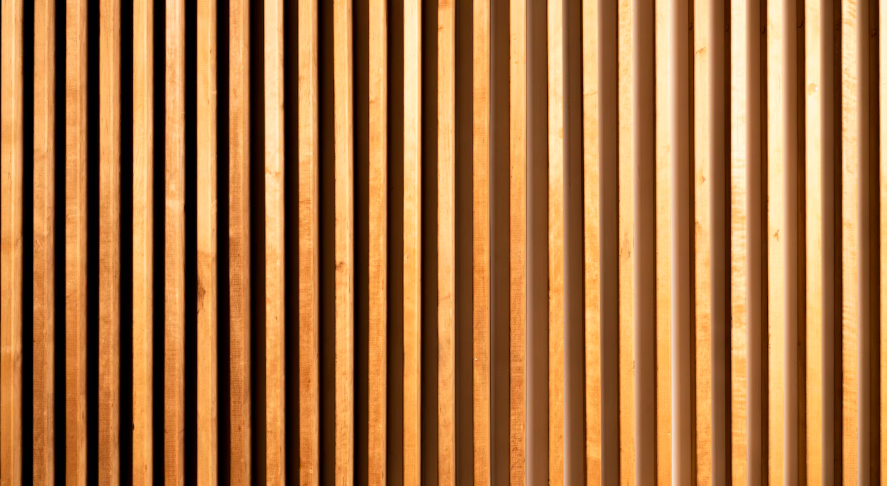
A wood wall exterior is commonly used in construction to provide a protective and functional outer layer for buildings. It serves both structural and visual purposes, helping shield the interior from environmental exposure while contributing to the overall design. With improvements in material processing and treatment, wood continues to be a relevant option for exterior applications in residential and commercial projects.
Wood used for exterior walls may come in solid form, engineered panels, or composite materials. Engineered wood is often treated to improve resistance to moisture, insects, and decay. These treatments increase durability and reduce issues such as warping or cracking. Compared to untreated timber, processed wood materials offer more consistent performance, especially in areas with changing weather conditions.
Installation methods for wood wall exteriors vary depending on the system used. Panels, planks, or boards are typically installed over a structural frame with proper spacing and fastening. Some systems use prefabricated components that improve efficiency and accuracy during construction. This can reduce labor time and help maintain consistent alignment across the building surface. Proper installation also includes moisture barriers and ventilation layers to protect the structure behind the wood.
Wood wall exteriors can support energy efficiency when combined with insulation systems. While wood has natural insulating properties, it is usually installed with additional materials that help control heat transfer. This setup can improve indoor temperature stability and reduce energy consumption for heating and cooling. The effectiveness of the system depends on how well each layer is integrated during construction.
Design flexibility is one of the main reasons wood remains in use for exterior walls. It can be finished in different colors, textures, and patterns to match various architectural styles. Some designs highlight the natural grain of the wood, while others use paint or coatings for a uniform appearance. Wood can be installed horizontally, vertically, or in custom arrangements, allowing builders to meet specific design requirements without complex processes.
Durability depends on the type of wood and the level of treatment applied. Exterior wood is often sealed or coated to protect it from moisture and sunlight. These protective layers help prevent surface damage and extend the lifespan of the material. Although wood may be more sensitive to environmental conditions than some alternatives, proper treatment and maintenance can improve its long-term performance.
At the midpoint of planning, builders often consider wood wall exterior systems as workable option that balances structure and appearance. Their ability to provide consistent coverage and adapt to different designs makes them suitable for a range of building types.
Maintenance is a key factor in the use of wood for exterior walls. Regular inspection is necessary to identify signs of wear such as fading, moisture exposure, or surface damage. Reapplying sealants, stains, or paint helps maintain the material’s condition. Cleaning is generally straightforward, but consistent upkeep is required to preserve both appearance and performance. Compared to materials like metal or vinyl, wood typically requires more attention over time.
Sustainability is another aspect considered in exterior wood applications. Wood is a renewable material when sourced responsibly. Many suppliers follow forestry standards that support long-term resource management. Engineered wood products may also use recycled content, which reduces waste. In addition, the longevity of treated wood can limit the need for frequent replacement, contributing to more efficient material use.
Wood wall exteriors can be adapted to different climates with proper preparation. In humid environments, moisture-resistant treatments and ventilation systems help reduce the risk of decay. In areas with temperature variation, engineered wood products provide improved stability. These adjustments allow wood to perform effectively in a variety of conditions.
In conclusion, a wood wall exterior provides a functional solution for building cladding. It offers design flexibility, compatibility with insulation systems, and adaptability to different environments. While it requires regular maintenance, treated and properly installed wood can deliver reliable performance over time. For projects that require both structure and a natural finish, wood remains a practical option.
 Supriyo Khan
 Supriyo Khan
 Supriyo Khan
 Supriyo Khan

Want to add a comment?