Key Takeaways
Modern dental implants deliver strong, natural-looking, and lasting tooth replacements.
Technological advances have made implant treatments more precise, safe, and effective.
Patients regain oral function, comfort, and self-assurance thanks to contemporary implantology.
Table of Contents
Introduction to Dental Implants
Technological Advancements in Implantology
Benefits of Modern Dental Implants
The All-on-4 Technique
Considerations and Patient Suitability
Future Trends in Dental Implants
Conclusion
Dental implants are redefining dental care, offering patients a lasting, natural-looking solution for missing teeth. Advances in materials, surgical methods, and digital tools have allowed more people to restore their smile and oral health with confidence. If you are seeking a permanent solution for tooth loss, consulting an implant dentist in Elk Grove, CA can guide you through your options and help you achieve optimal results. Understanding the evolving landscape of dental implantology shows why they have become the gold standard in tooth replacement.
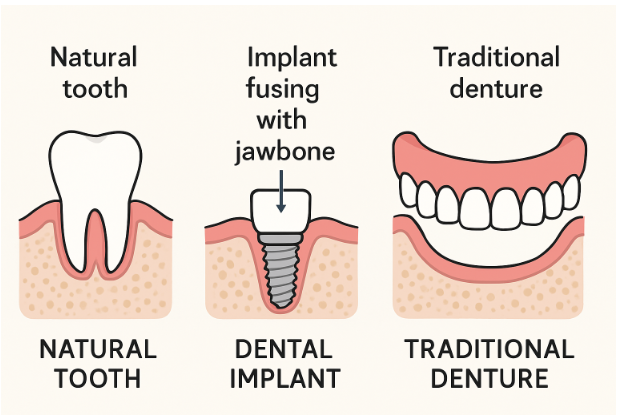
Unlike traditional dentures or bridges, which can feel bulky or move out of place, dental implants fuse directly with the jawbone, mimicking the function and appearance of natural teeth. This not only preserves facial structure but also restores the full bite force, bringing a renewed sense of normalcy for those who have struggled with tooth loss.
With breakthroughs in digital scanning, 3D imaging, and biomaterials, dental implant procedures are more predictable and accessible than ever before. Both patients and dentists benefit from improved planning, quicker recovery times, and higher long-term success rates. These innovations continue to expand treatment possibilities for individuals with varying dental backgrounds and needs.
Introduction to Dental Implants
Dental implants are small titanium posts surgically placed in the jawbone to replace missing tooth roots. Over time, the bone fuses with the implant in a process called osseointegration, forming a stable base for a crown, bridge, or denture. Because they are anchored firmly in the jaw, implants maintain bone density and prevent the sunken appearance that can result from bone loss. Their versatility makes them a preferred choice for individuals missing one, several, or all of their teeth.
Technological Advancements in Implantology
The field of dental implantology has seen remarkable growth, largely due to technological innovation. Digital X-rays and 3D CT scans provide high-resolution images that allow dentists to assess bone quality and precisely plan implant placement. Computer-aided design and manufacturing (CAD/CAM) enable the fabrication of custom abutments and prosthetic teeth tailored to each patient’s unique anatomy. Artificial intelligence is further pushing boundaries, streamlining diagnostic workflows and predicting treatment outcomes with greater confidence. According to The New York Times, these advancements have made the process safer and more comfortable for patients, while boosting long-term success rates.
Benefits of Modern Dental Implants
Contemporary dental implants offer several benefits beyond mere aesthetics. Their most significant advantages include:
Exceptional Durability: With the right care, implants are designed to last for decades, often outlasting traditional bridges or dentures.
Restored Oral Function: Patients can speak and eat with greater ease and confidence.
Natural Appearance: Implants look and feel like real teeth, closely matching in color, size, and shape.
Jawbone Health: By simulating natural tooth roots, implants stimulate the jawbone, reducing the risk of bone loss.
Implant-supported teeth also help maintain the alignment of remaining natural teeth by filling the spaces left by missing ones, preventing shifts and bite problems that could otherwise develop.
The All-on-4 Technique
One of the biggest breakthroughs in implant dentistry is the All-on-4 technique. This approach enables a full arch of teeth to be restored using just four strategically placed implants, rather than individual implants for each missing tooth. The result is a stable and permanent solution for patients with extensive tooth loss or reduced bone volume. The All-on-4 method can often be performed in a single day and is more cost-effective compared to multiple single implants. WebMD notes that it offers high patient satisfaction due to its quick transformation and minimal need for bone grafting in many cases.
Considerations and Patient Suitability
Dental implants are not suitable for everyone. Several factors influence the likelihood of a successful outcome:
Health Status: Uncontrolled chronic conditions, such as diabetes or heart disease, can impair healing and raise the risk of complications.
Bone Quality: Adequate bone volume is necessary for stable implant placement. Patients with significant jawbone loss may need grafting procedures before implants can be considered.
Oral Hygiene: Proper brushing, flossing, and regular checkups are essential to prevent peri-implant disease, which can compromise implant longevity.
It is also important for potential candidates to have realistic expectations and commit to the follow-up care recommended by their dental professionals.
Future Trends in Dental Implants
The future of dental implantology is shaped by exciting research and innovation. Scientists are developing bioactive implant surfaces and nanomaterials to boost osseointegration and minimize healing times. Regenerative techniques, such as growth factor enhancement and stem cell therapies, are being explored to help rebuild bone and soft tissues around implants. The integration of artificial intelligence into clinical decision-making promises even greater customization and predictive accuracy, benefiting both patients and providers. As digital workflows become the norm, more patients will enjoy efficient, streamlined treatment experiences.
Conclusion
Dental implants have transformed oral health care by providing stable, long-lasting solutions for people with tooth loss. Technological advances have led to better patient outcomes, greater comfort, and improved aesthetics, restoring the function and confidence that come with a healthy smile. As research and technology continue to evolve, dental implants will only become more accessible and effective, solidifying their position as the premier choice for tooth replacement.
 Supriyo Khan
 Supriyo Khan
 Supriyo Khan
 Supriyo Khan

Want to add a comment?