Table of Contents
Traditional 401(k) Plans
Roth 401(k) Plans
Traditional Individual Retirement Accounts (IRAs)
Roth IRAs
Required Minimum Distributions (RMDs)
When to Use Each Account
Final Thoughts
Achieving a secure and comfortable retirement hinges on making informed financial decisions throughout your working years. Understanding the core retirement accounts and how to use them can significantly impact your financial health over time. In an era where retirement planning has become increasingly vital, learning how to invest for retirement in 2026 requires exploring the right strategies and account options suited to today’s economic and regulatory landscape.
Each retirement account has unique benefits, tax implications, and ideal use cases. Whether you have access to employer-sponsored savings plans or are seeking individual solutions, knowing how to choose between a traditional or Roth account is key. With government rules and contribution guidelines evolving, staying current can help you maximize long-term outcomes.
Whether planning alone or in consultation with a financial advisor, being well-informed empowers better investment and tax planning. Today’s workers must make the most of every opportunity to grow savings for a future free of financial worry.
Traditional 401(k) Plans
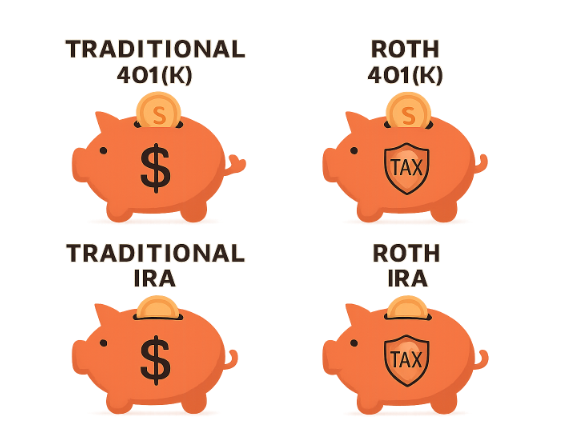
The traditional 401(k) is one of the most popular employer-sponsored retirement accounts. With this plan, employees defer a portion of their pre-tax salary into investment options selected by the plan provider. Those contributions immediately reduce your taxable income, and the money inside the account grows tax-deferred. Employers commonly match a percentage of employee contributions, potentially adding thousands of dollars to your retirement nest egg over the years. Withdrawals in retirement are taxed as ordinary income. This structure especially appeals to those seeking short-term tax savings and free employer-matching funds.
Roth 401(k) Plans
Roth 401(k) plans offer a different tax advantage. Contributions are made with after-tax dollars, so you do not receive an immediate tax break. However, all eligible withdrawals during retirement, including both contributions and gains, are completely tax-free. This structure can be ideal for those who expect their income and tax rate to rise over time. Roth 401(k) plans allow higher contributions than Roth IRAs, making them a powerful option for long-term investors looking for large, tax-free retirement withdrawals.
Traditional Individual Retirement Accounts (IRAs)
Traditional IRAs are open to anyone with earned income, whether or not their employer offers a retirement plan. Contributions are often tax-deductible, lowering your taxable income for the year. Your investments can be allocated to a wide variety of assets, and all earnings are tax-deferred until you withdraw them. At retirement, withdrawals are taxed as regular income. Traditional IRAs may be especially appealing to self-employed individuals, workers without access to a company plan, or those seeking additional savings beyond their employer account limits.
Roth IRAs
Roth IRAs stand out for their tax-free withdrawal benefit. You fund these accounts with after-tax dollars, meaning there is no immediate reduction in current taxable income. However, all investment growth and qualified withdrawals in retirement are free from federal tax. Roth IRAs are favored by individuals anticipating a jump in income over time or who are decades away from retirement. For the 2025 tax year, you can contribute up to $7,000 (or $8,000 if age 50 or older). Eligibility is phased out at higher incomes, with full contributions allowed for single filers earning under $150,000 in 2025.
Required Minimum Distributions (RMDs)
Required Minimum Distributions guide when and how much you must withdraw annually from most retirement accounts once you reach the designated age. In 2023, the SECURE 2.0 Act raised the RMD age to 73, and it moves to 75 beginning in 2033. The rules apply to traditional IRAs, 401(k)s, and similar plans. Roth IRAs are exempt during the account holder’s lifetime. Failing to take required withdrawals can result in hefty penalties. Understanding these rules can help you avoid unnecessary taxes and maintain funds for the long term.
When to Use Each Account
Traditional 401(k): Take full advantage if your employer offers a matching percentage. This is considered one of the best deals in retirement planning for those who expect to be in a similar or lower tax bracket after they retire.
Roth 401(k): Opt for this plan if you have a long time until retirement or believe your tax rate will rise. The predictable, tax-free withdrawals later provide powerful planning flexibility.
Traditional IRA: Use this if you lack access to a 401(k) or want to save beyond employer plan limits. Its flexibility and investment choices can broaden your retirement security.
Roth IRA: Maximize this account if you expect to earn more in future years, wish to pay taxes now rather than later, or desire tax-free growth. It is especially suitable for younger savers or those seeking estate planning opportunities.
Final Thoughts
Navigating retirement planning successfully requires strategic saving, tax management, and leveraging the right account types for your unique situation. Traditional and Roth accounts each offer distinct advantages, and your choices today will influence your financial freedom tomorrow. Stay up to date with the latest rules, maximize employer contributions where available, and tailor your approach to your expected income and future tax landscape. An informed plan today helps pave the way toward worry-free golden years.
 Supriyo Khan
 Supriyo Khan
 Supriyo Khan
 Supriyo Khan

Want to add a comment?