Reframing Postpartum Healing: Physiological Realities vs. "Bounce Back" Culture
The cultural obsession with "bouncing back" often ignores the biological reality of pregnancy and birth. Pregnancy is a systemic event that alters the musculoskeletal, cardiovascular, and endocrine systems. Expecting these systems to return to their baseline within six weeks is not only unrealistic but potentially detrimental to long-term health.
True Postpartum Body Restoration focuses on functional recovery—ensuring the body can support the demands of daily life, such as lifting a growing infant, navigating stairs, and maintaining posture during long periods of feeding. By shifting the focus from aesthetic markers to physiological integrity, mothers can avoid the pitfalls of over-exercising or restricting calories too early, which can hinder the natural tissue-remodeling process.
Psychological Benefits of Body Neutrality
Body neutrality offers a compassionate alternative to the pressure of immediate physical transformation. Unlike body positivity, which focuses on loving one's appearance, body neutrality emphasizes function. It encourages mothers to appreciate their bodies for what they do rather than how they look.
This perspective is particularly helpful during the fourth trimester, when physical changes—such as loose skin, stretch marks, or changes in body composition—can be jarring. By focusing on the body’s ability to heal and nourish, new parents can protect their mental bandwidth, reducing the anxiety often fueled by curated social media portrayals of "perfect" postpartum bodies.
Navigating the Fourth Trimester
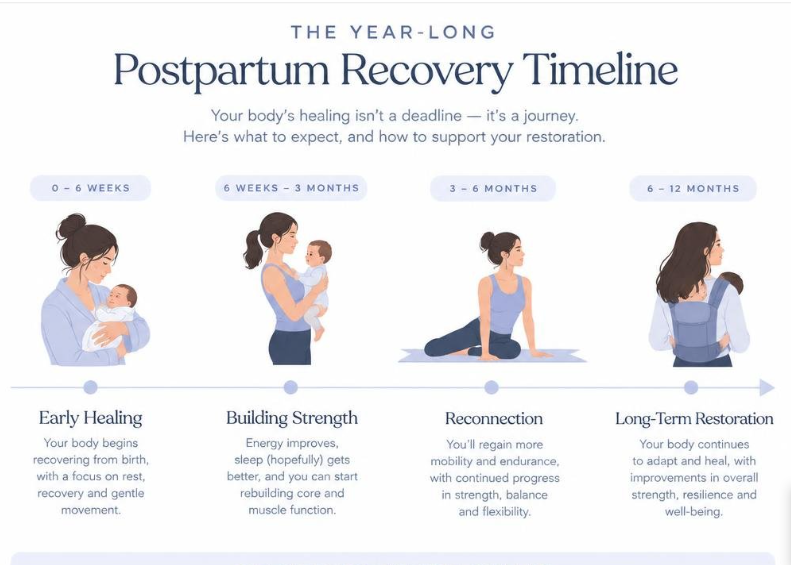
The fourth trimester, covering the first three months after birth, is a period of intense transition. It is characterized by the "acute" phase of healing, where the body manages the immediate aftermath of delivery, including hormonal drops and the initiation of lactation. During this time, the primary goal is rest and systemic stabilization. Prioritizing sleep and delegating household tasks is not a luxury; it is a clinical necessity for tissue repair and emotional regulation.
The Biological Timeline of Postpartum Body Restoration
Recovery is a marathon, not a sprint. While the six-week postpartum checkup is a vital safety checkpoint, it is rarely the finish line for physical healing.

The Three Phases of Clinical Healing
Acute Phase (First 6–12 hours): The body focuses on hemodynamic stability and immediate uterine contraction to prevent hemorrhage.
Subacute Phase (24 hours to 6 weeks): This is the period of rapid physiological adjustment. The uterus undergoes involution—shrinking from the size of a watermelon to that of a pear—and the pelvic floor begins to recover from the trauma of birth.
Delayed Phase (6 weeks to 12 months): This is the "forgotten" recovery period. During this time, collagen remodeling occurs, joints stabilize as the hormone relaxin leaves the system, and abdominal muscles regain their tone.
Vaginal Delivery and Perineal Healing
Vaginal birth often involves significant trauma to the perineal tissues. Up to 70% of people experience some degree of tearing or require an episiotomy. Healing these tissues requires meticulous care, including the use of peri-bottles for hygiene and cold compresses to manage inflammation. Pain usually improves significantly within a few weeks, but sensation and tissue elasticity may take several months to return to a new normal.
Cesarean Section Recovery and Incision Care
A cesarean birth is major abdominal surgery. Recovery involves not just the skin incision, which may heal within 10 days, but the deeper layers of muscle and fascia, which require up to 12 weeks for structural integrity. Early mobilization is encouraged to prevent blood clots, but heavy lifting and high-impact activity must be strictly avoided until a provider confirms that the abdominal wall has sufficiently healed.
Core and Pelvic Floor Rehabilitation Protocols
The core is not just the abdominal muscles; it is a canister consisting of the diaphragm, the pelvic floor, the transverse abdominis, and the multifidus muscles. Pregnancy increases intra-abdominal pressure, often leading to diastasis recti—the separation of the rectus abdominis muscles.

Functional Core and Pelvic Floor Postpartum Body Restoration
Rebuilding the core requires a bottom-up approach. It begins with "360-degree breathing," which teaches the body to coordinate the diaphragm with the pelvic floor, preventing the "doming" or "coning" of the abdomen that can worsen separation. For those experiencing persistent bladder leakage, urgency, or pelvic heaviness, seeking non-invasive pelvic health interventions through a specialized physical therapist can provide targeted exercises that are far more effective than generic kegels alone.
Phased Return to Exercise and High-Impact Movement
The return to exercise should be progressive. In the first few weeks, movement should be limited to gentle walking and core-stabilizing breathwork. Once cleared, glute bridges, bird-dogs, and side-lying clamshells help rebuild the posterior chain. High-impact activities, such as running or jumping, should generally wait until at least 12 weeks postpartum, provided the individual has achieved pelvic stability and is free of symptoms like pelvic pain or incontinence.
Systemic Recovery: Nutrition, Hormones, and Mental Health

Nutritional Strategies for Healing and Lactation
The body’s metabolic demands during the postpartum period are significant. Breastfeeding alone consumes an additional 450 to 500 calories per day. Nutritional intake should prioritize protein for tissue repair, iron to replenish stores lost during delivery, and complex carbohydrates for sustained energy. Extreme caloric restriction is discouraged, as it can compromise milk supply and delay the body’s healing process.
Distinguishing Baby Blues from Perinatal Mood Disorders
The hormonal crash that occurs within the first week after birth often leads to the "baby blues," characterized by mood swings and tearfulness. However, if these symptoms persist beyond two weeks, or if they intensify into feelings of hopelessness, anxiety, or detachment, it may indicate postpartum depression or anxiety. These conditions are medical, not character flaws, and require professional clinical support.
Advanced Interventions: Structural Support and Long-Term Care
Therapeutic Belly Binding vs. Waist Training
There is a distinct difference between therapeutic belly binding and "waist training." Belly binding, such as the traditional bengkung wrap, provides gentle compression that can support the abdominal wall and offer comfort after a cesarean section. Conversely, waist trainers are often too tight, which can impair breathing, weaken the core muscles by doing the "work" for them, and increase harmful pressure on the pelvic floor.
Surgical and Aesthetic Considerations in Postpartum Body Restoration
For some, the physical changes of pregnancy—such as significant skin laxity or a persistent, non-functional diastasis recti—do not resolve with exercise and physical therapy alone. In these instances, individuals may explore personalized mommy makeovers to address structural concerns. This approach is most successful when performed after a mother has finished having children and has allowed at least one year for natural tissue remodeling to occur.
Frequently Asked Questions About Postpartum Recovery
How long does complete postpartum physical recovery realistically take?
While the medical community focuses on the six-week mark, full physiological recovery—including collagen remodeling and hormonal stabilization—typically takes about 12 months.
What are the immediate red-flag symptoms requiring emergency medical care?
Contact a healthcare provider immediately if you experience heavy bleeding (soaking a pad per hour), large clots, fever higher than 100.4 degrees Fahrenheit, severe headache, vision changes, chest pain, or swelling/redness in one calf.
When is it safe to begin running or high-impact workouts after childbirth?
Most experts recommend waiting at least 12 weeks, and only after ensuring that you have no pelvic floor dysfunction, such as leakage or pressure, and that your core has been rehabilitated to handle the increased load.
Conclusion
Postpartum body restoration is a multifaceted journey that transcends the simple timeline of a six-week checkup. By honoring the body's need for rest, embracing functional movement, and seeking professional support when necessary, new mothers can navigate the fourth trimester and beyond with resilience. Whether through physical therapy, nutritional support, or, for some, structural surgical interventions, the goal remains the same: to support the body as it adapts to the monumental task of motherhood, ensuring long-term health and vitality for years to come.
 Supriyo Khan
 Supriyo Khan
 Supriyo Khan
 Supriyo Khan
Want to add a comment?