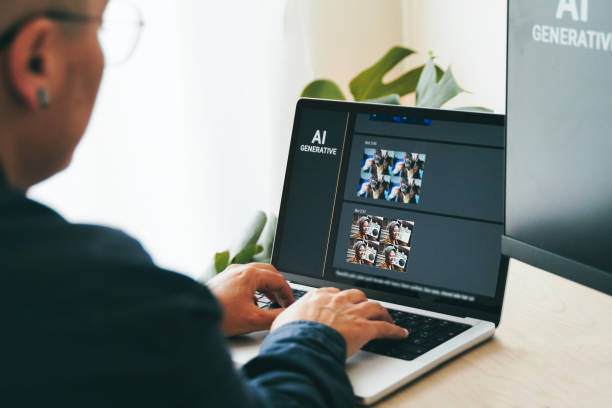
Artificial intelligence has transformed visual creation. What once required professional design software and years of experience can now be done in seconds with a simple text prompt. In 2026, AI image generators are no longer just novelty tools—they’re full creative platforms that combine image generation, editing, upscaling, and animation into one workflow.
From cinematic artwork to marketing creatives and product visuals, AI tools now power everything from social media to game design. Below are five of the best AI image generators and editors in 2026, ranked based on overall capability, creative control, editing features, and usability.
1. Deevid AI — Best All-in-One Image and Video Creative Platform
Deevid AI stands out as the most complete AI visual creation tool in 2026. Instead of focusing only on image generation, it combines text-to-image,AI image editor, and image-to-video capabilities into a single streamlined workflow.
This all-in-one approach makes it especially appealing to creators, marketers, and designers who want to move from idea to final content without switching between multiple tools.
Text-to-image generation from simple prompts
AI image editing with natural language instructions
Image-to-video transformation
Style transfer and visual enhancement tools
Fast generation suitable for social media and marketing
Instead of juggling multiple platforms, creators can generate, edit, and animate visuals in one place—saving time and maintaining style consistency.
Best for:
Content creators, marketers, startups, and anyone who wants an all-in-one creative workflow.
Midjourney remains one of the most respected AI image generator for artistic quality. It consistently ranks among the top tools for visual impact and stylized imagery.
Its outputs often look like finished illustrations, movie concept art, or high-end digital paintings. Many designers and creative studios use Midjourney for mood boards, posters, and conceptual work.
Highly stylized and cinematic image output
Strong aesthetic consistency
Web interface and Discord-based workflow
Fast GPU rendering options
Exceptional artistic quality
Ideal for concept art and storytelling visuals
Strong community and inspiration ecosystem
Less precise for product or text-heavy designs
Public outputs unless using higher-tier plans
Best for:
Artists, concept designers, and creative directors.
Adobe Firefly is the leading choice for professional designers, especially those already using Photoshop or other Adobe Creative Cloud tools. It integrates AI directly into familiar design environments, making it easy to adopt without changing workflows.
Firefly focuses on commercially safe content and practical editing features rather than purely artistic outputs.
Generative Fill and Generative Expand
Deep integration with Photoshop and Adobe apps
Commercially safe training data
Mobile and desktop creative workflows
Industry-standard design integration
Reliable for commercial use
Powerful editing tools
Requires Adobe subscription for full features
Less stylized than art-focused tools
Best for:
Professional designers, agencies, and enterprise teams.
Ideogram has become the go-to tool for designs that include text, such as posters, logos, social media graphics, and merchandise. Unlike many AI image generators, it can render readable typography accurately.
This solves one of the biggest historical weaknesses of AI image generation: spelling and layout accuracy.
Industry-leading text rendering
Strong performance in human quality evaluations
Clean, simple interface
Free tier available
Best tool for posters and thumbnails
Accurate typography
Fast iteration cycles
Fewer artistic styles than Midjourney
Credit-based usage system
Best for:
Graphic designers, marketers, and social media creators.
Leonardo AI is widely used in game development and character design. It focuses on consistency across multiple images and allows users to train custom models based on their own visual style.
This makes it ideal for projects that require recurring characters or branded visuals.
Custom model training
Consistent character generation
Integration with design platforms
Fast generation speeds
Excellent for game assets
Strong style consistency
Flexible for branded content
Learning curve for advanced features
Token-based system may be confusing
Best for:
Game developers, illustrators, and brand designers.
The best AI image generator depends on your goals:
All-in-one creative workflow: Deevid AI
Cinematic or artistic visuals: Midjourney
Professional design environments: Adobe Firefly
Text-heavy graphics: Ideogram
Game characters or branded assets: Leonardo AI
Many creators use more than one tool—for example, generating art in Midjourney and refining it in an editor.
AI image tools are evolving rapidly. New models now combine generation, editing, and even animation in a single interface. Some platforms also support conversational editing, allowing users to refine images through natural language.
As these tools continue to improve, the line between image editing, video creation, and design software will blur even further. The future of creative work will likely center around unified AI platforms that handle the entire visual pipeline.
AI image generators have matured into powerful creative engines. Whether you’re designing marketing graphics, creating concept art, or building game assets, there’s now a tool tailored to your workflow.
Among them, Deevid AI stands out in 2026 as the most versatile option—combining image generation, editing, and video transformation into a single platform. For creators who want speed, flexibility, and an all-in-one solution, it’s the top choice this year.
 Supriyo Khan
 Supriyo Khan
 Supriyo Khan
 Supriyo Khan
Want to add a comment?