Key Takeaways
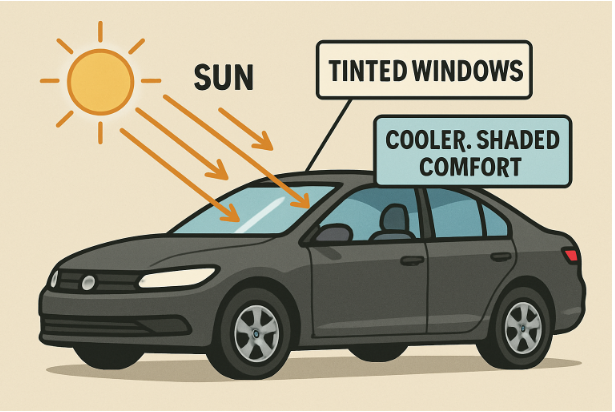
Superior Heat Rejection: Ceramic tints can block up to 80% of infrared light and keep vehicle interiors cooler.
Enhanced UV Protection: They block over 99% of harmful UV rays, protecting skin and interior surfaces.
No Signal Interference: Their non-metallic structure allows uninterrupted device connectivity.
Added Privacy and Security: These tints improve privacy and hold glass together during impact.
Long-Term Durability: Resistant to fading and discoloration, they maintain both performance and appearance.
Modern drivers face a range of challenges on the road, from intense sunlight to fluctuating temperatures and the constant glare of oncoming traffic. One solution that has gained popularity in recent years is ceramic window tinting, which goes beyond simply darkening car windows. This technology offers improved heat rejection, reduced UV exposure, and increased privacy, making driving safer and more comfortable for everyone. By reflecting a significant portion of sunlight, ceramic tints help maintain a cooler interior and protect both passengers and vehicle interiors from long-term sun damage.
In addition to window treatments, many vehicle owners also consider protective measures for their car’s exterior. For instance, ceramic coating for cars in Jacksonville, FL, provides a durable layer that shields paint from environmental contaminants, scratches, and minor abrasions. When combined with high-quality window tinting, these enhancements contribute to a safer, more comfortable, and easier-to-maintain driving experience, helping vehicles look and perform their best over time.
Superior Heat Rejection
One of the most notable features of ceramic window tints is their ability to significantly reduce heat transfer. Unlike conventional dyed or metallic tints, ceramic films are formulated with advanced nano-ceramic particles that can block up to 80% of infrared heat, the primary source of high temperatures inside a parked car. This keeps vehicle interiors cooler and reduces the need for excessive air conditioning. Many drivers who invest in ceramic window tints also explore additional protection options, such as automotive ceramic coating near me, which enhances the vehicle’s exterior durability and complements the interior benefits of heat rejection. Together, these technologies create a more comfortable, long-lasting driving experience while maintaining the car’s aesthetic appeal.
No Signal Interference
Some window tints, particularly metallic-based options, can interrupt or weaken electronic signals, affecting GPS navigation, cellular devices, and radio reception. Ceramic window tints, by contrast, are non-metallic and non-conductive, ensuring that all in-car technology functions smoothly. As reliance on navigation systems and smartphones grows, this advantage becomes increasingly relevant for both urban and long-haul drivers who require constant connectivity for navigation or communication.
Added Privacy and Security
Privacy is another significant benefit associated with ceramic tinting. The film’s composition makes it much more difficult for outsiders to see inside the vehicle, reducing the likelihood of opportunistic thefts and offering peace of mind for drivers who store valuables in their cars. In the unfortunate event of a collision or break-in, ceramic tints can help hold shattered glass together, minimizing the danger of glass-related injuries.
Long-Term Durability and Visual Appeal
Ceramic window tints offer a distinct advantage over older tinting methods in terms of durability. These films are engineered to resist fading, discoloration, bubbling, and peeling. Their longevity also means fewer replacements and lower maintenance costs over time. In addition to their resilience, ceramic window tints add a stylish, contemporary look to any vehicle, enhancing its overall appearance without compromising visibility from inside the car.
Enhanced UV Protection
Extended exposure to ultraviolet (UV) radiation is linked to skin aging and increased cancer risk, and it can cause dashboards, seats, and plastics to fade or deteriorate. Ceramic window tints block over 99% of harmful UV rays, providing a robust layer of protection for passengers and the vehicle’s interior. According to the American Cancer Society, minimizing UV exposure can reduce skin damage and other health risks, making this benefit especially important for those who regularly travel during daylight hours.
Glare Reduction for Safer Driving
Driving in direct sunlight or at night with oncoming headlights can create vision problems and increased driver fatigue. Ceramic window tinting significantly reduces glare, improving clarity and comfort behind the wheel. This is especially beneficial for those who spend long hours commuting or traveling on highways where sun exposure is persistent and intense.
Positive Environmental Impact
Reducing a vehicle’s interior temperature with ceramic tints can lower air conditioning use. Over time, this conserves fuel and helps to decrease greenhouse gas emissions. Car owners looking to do their part for the environment can see this as a meaningful, low-effort way to help improve air quality and reduce their carbon footprint.
Conclusion
Ceramic window tinting offers a range of benefits highly relevant to today’s drivers. From reducing heat and UV exposure to providing security, durability, and a modern look, this innovative upgrade offers much more than just aesthetic value. As more people seek advanced automotive protective solutions, ceramic window tinting stands out as a practical and worthwhile investment.
 Supriyo Khan
 Supriyo Khan
 Supriyo Khan
 Supriyo Khan

Want to add a comment?