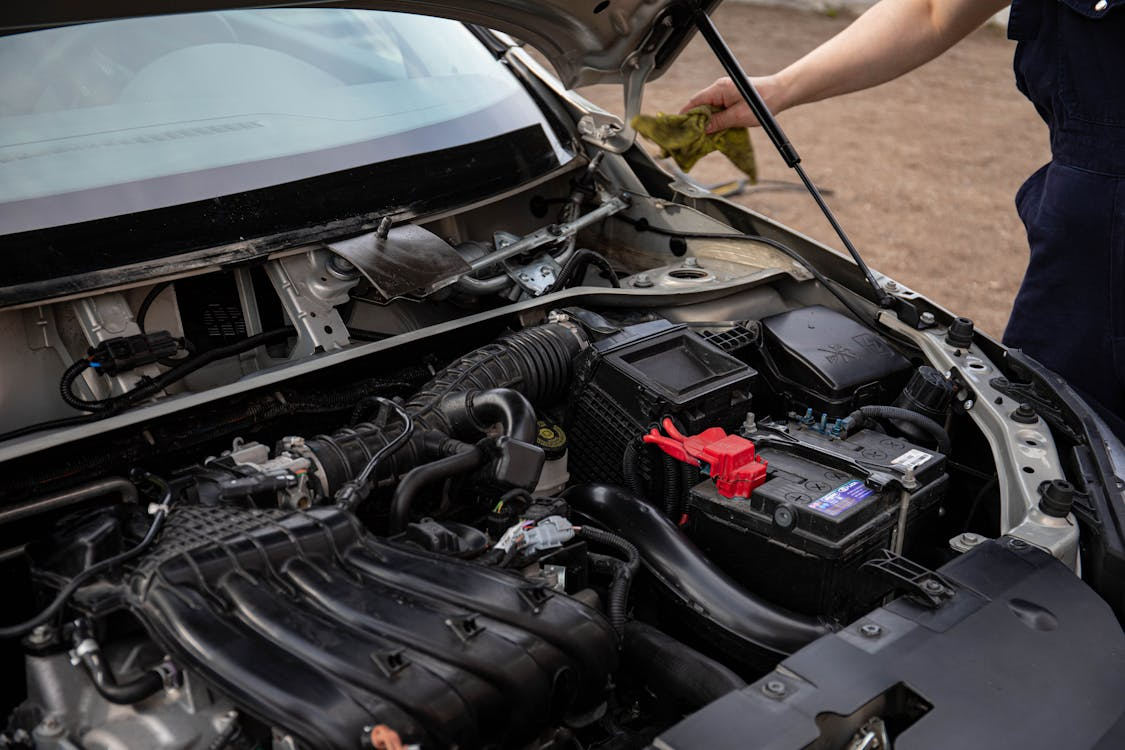
Think about the last time something went wrong with your car's electrics. Maybe a warning light appeared on the dashboard. Maybe the battery went flat overnight for no obvious reason. Or perhaps the infotainment screen started doing something it definitely wasn't supposed to do. Whatever it was, your first instinct was probably dread, and not because of the problem itself. No. It was more likely because of everything that comes with fixing it.
You ring the workshop, wait three days for a booking, arrange a rideshare home after dropping the car off, and then do it all in reverse when it's ready. By the time the bill arrives, you've spent more time managing the inconvenience than the actual repair took, and for a job that, let's be honest, didn't need to happen in a workshop at all.
Modern vehicles are essentially computers on wheels.
When Marques Brownlee (MKBHD) reviewed the Fisker Ocean and called it the worst car he'd ever tested, the body, the seats and the space were all fine. It was the software that sank it.
That moment was a bit of an epiphany for many because it captured something most drivers are starting to feel: the technology inside a car has become just as consequential as the mechanical parts, and far harder to diagnose without the right tools. A late-model vehicle can have dozens of control modules communicating with each other at any given moment, covering engine management, braking, battery monitoring, driver assistance, and everything in between.
Unfortunately, the rugged Aussie handyman of the house can’t always pop the hood and fix up the car every time now. Some issues require a professional-grade scan tool that can communicate with the vehicle's onboard diagnostics, pull fault codes, run live data tests and identify exactly where the problem is coming from.
Most drivers don't own that equipment, which is completely fair. But the assumption that it can only be used inside a workshop? That doesn't really hold water these days.
Mobile auto electricians today aren't turning up with a set of jumper cables and a voltage tester anymore. They're arriving in fully equipped vehicles carrying the same diagnostic tools you'd find in a professional workshop, with the added advantage of coming directly to you.
A technician pulls into your driveway or work carpark, connects a scan tool to your vehicle and can pinpoint a parasitic battery drain, a failing sensor, or an infotainment fault without your car ever leaving the spot it's sitting in. The job gets done while you're at your desk, having brekkie or getting the kids ready for school. You don't rearrange your day or lose half a morning to logistics.
For busy Victorians, that's no small feat. Time is the resource that's always in shortest supply, and the old workshop model asks you to spend a lot of it doing nothing particularly useful.
One of the hidden costs of the traditional approach is what happens before the workshop even gets involved. If your car won't start, or you're not confident driving it with a fault active, that usually means a tow, which adds cost and another layer of scheduling to an already inconvenient situation.
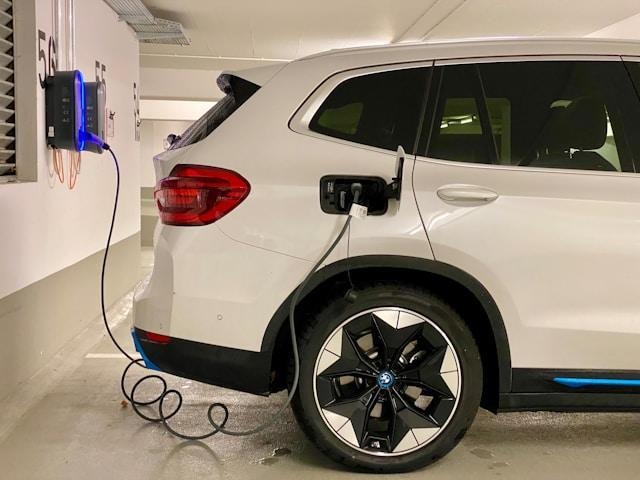
A mobile car auto electrician cuts that step out entirely. It can cover the whole spectrum of electrical automotive issues like a recurring flat battery, a charging system fault, a wiring issue or even an internal problem in a late-model Tesla or hybrid. So in a nutshell, the diagnostic bay comes to you. The technician assesses the problem on the spot and, in many cases, resolves it then and there.
Your car will tell you when something's wrong. The question is whether fixing it has to cost you a day. With the right technician and the right equipment arriving at your door, most of the time it doesn't. That's not a gimmick, it's just a better way of doing things, and it's already here in the now.
It's worth rethinking the assumption that car repairs are inherently disruptive. The workshop model made sense when diagnostics required fixed infrastructure. That's no longer the case in 2026. If your car is flagging a fault, the solution is probably closer (and quicker) than you'd expect.
 Supriyo Khan
 Supriyo Khan
 Supriyo Khan
 Supriyo Khan

Want to add a comment?