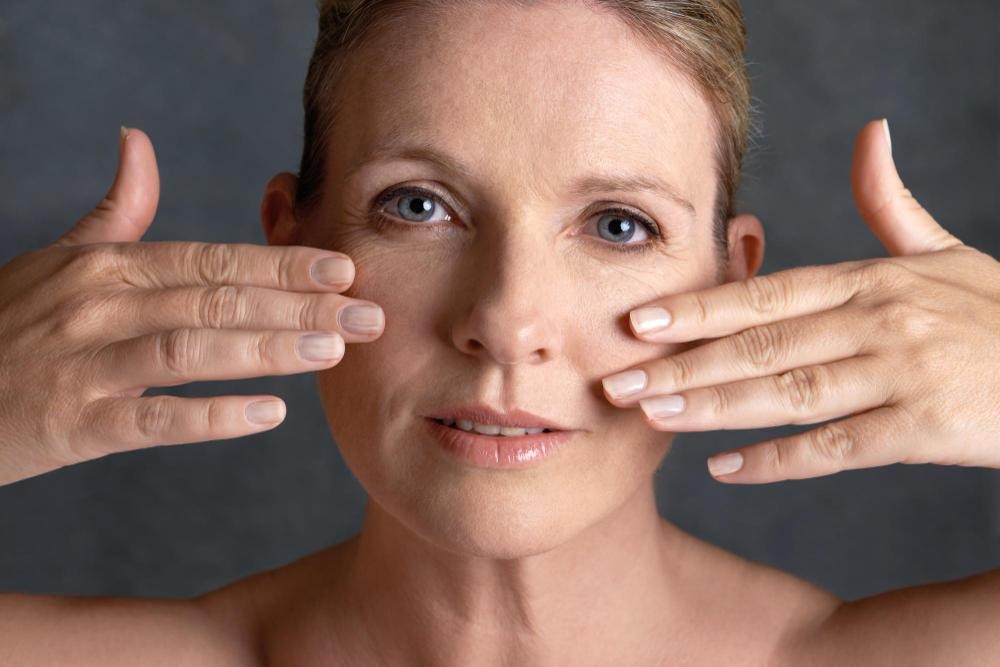
Skin aging is a natural and complex biological process that affects every layer of the skin. While wrinkles are often the most visible sign, they are only one outcome of bigger structural changes that occur over time. Understanding what causes skin aging at a cellular level helps explain why firmness, texture, and overall skin quality evolve—and how modern medical-aesthetic approaches address these changes.
The biological mechanisms behind skin aging
As the skin ages, its ability to regenerate declines gradually. One of the most significant changes is the reduction in collagen and elastin production. These structural proteins are responsible for maintaining skin firmness, elasticity, and resistance. When their synthesis slows, the skin becomes thinner and more vulnerable to folding and sagging.
At the same time, natural hyaluronic acid levels decrease. This molecule plays a key role in hydration and volume retention. Its decline leads to dryness, loss of suppleness, and the formation of fine lines.
Cellular turnover also becomes less efficient. The skin renews itself more slowly, which affects texture, radiance, and uniformity. These internal biological shifts set the foundation for visible signs of aging long before they appear on the surface.
Intrinsic aging and environmental influences
Skin aging results from a combination of intrinsic and extrinsic factors.
Intrinsic aging is genetically programmed. It leads to gradual thinning of the skin, fine wrinkles, and subtle loss of elasticity over time. This process is inevitable and progresses steadily.
Extrinsic aging is caused by external influences. Ultraviolet exposure is the most significant factor, accelerating collagen degradation and increasing oxidative stress. Pollution, smoking, chronic stress, and sleep deprivation further disrupt the skin’s repair mechanisms. When these external factors accumulate, they intensify and accelerate visible aging.
How aging becomes visible on the skin
The earliest signs of aging typically appear as fine lines around expressive areas such as the eyes and mouth. Over time, these lines deepen into wrinkles as structural support weakens.
Loss of elasticity contributes to skin laxity, altering facial contours and overall balance. Slower cell renewal leads to uneven texture, dullness, and irregular pigmentation. These changes reflect a global transformation of the skin rather than isolated imperfections.
Medical-aesthetic strategies for aging skin
Modern medical-aesthetic care focuses on supporting the skin’s regenerative capacity rather than simply masking signs of aging. Treatments are selected to act at different skin depths, improving structure, density, and overall quality.
PRP Treatment
Traitement par PRP uses growth factors derived from the patient’s own plasma to stimulate cellular activity within the skin.
Benefits of PRP Treatment
This treatment supports collagen production, improves texture, and enhances skin vitality. It is commonly used as part of an integrated approach to skin rejuvenation.
Chemical peel
A Chemical peel promotes controlled exfoliation of the skin’s surface layers, encouraging cellular renewal. Options such as Cool Peel allow for gradual improvement in texture and tone while preserving skin integrity.
Prolift/Morpheus8
Prolift/Morpheus8 combines radiofrequency with microneedling to target deeper layers of the skin. This technology stimulates collagen remodeling, improves firmness, and refines skin texture.
Skinvive and Beauty Booster
Skinvive and Beauty Booster are injectable treatments designed to improve skin hydration and quality. They enhance elasticity, smoothness, and luminosity, contributing to healthier-looking skin over time.
Skin Transformation: a comprehensive perspective
Transformation de la peau is based on evaluating skin aging as a whole rather than focusing on isolated concerns. Aging patterns vary depending on genetics, lifestyle, and environmental exposure. A personalized strategy allows treatments to be combined progressively, supporting long-term skin quality and balance.
This approach prioritizes skin health and structural integrity rather than short-term correction.
Skin aging management at Clinique Main d’Or
At a clinic such as Clinique Main d’Or, skin aging is addressed through a structured, individualized framework. Professionals focus on preserving facial harmony while supporting the skin’s natural regenerative processes.
Protocols may combine Traitement par PRP, peeling chimique, and Prolift/Morpheus8 to address firmness, texture, and skin density simultaneously. Injectable solutions such as Skinvive and Beauty Booster may complement this approach by improving hydration and overall skin quality.
Our methodology aligns with broader aesthetic concepts, such as the Global Facial Makeover and Eye Rejuvenation, in which skin quality plays a central role in achieving balanced, natural-looking outcomes.
Conclusion
Wrinkles are not simply surface features; they are visible indicators of bigger biological changes within the skin. Collagen loss, reduced elasticity, slower cellular renewal, and environmental stress all contribute to the aging process. Understanding these mechanisms allows skin aging to be addressed thoughtfully and systematically. By focusing on regeneration, structure, and long-term skin quality, modern medical-aesthetic approaches support the skin in its natural evolution, preserving balance, vitality, and overall skin health over time.
 Supriyo Khan
 Supriyo Khan
 Supriyo Khan
 Supriyo Khan
Want to add a comment?