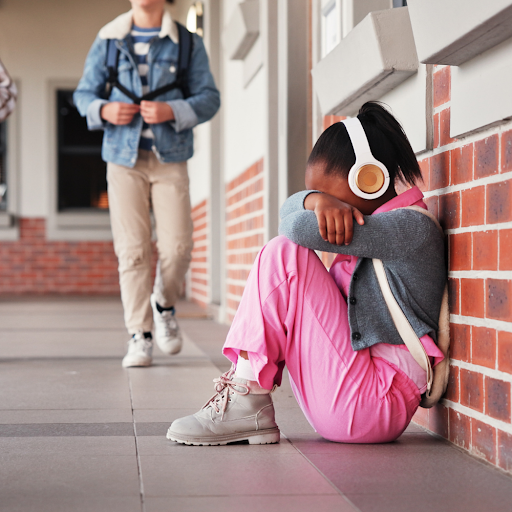
School can be an exciting place for children to learn, build friendships, and develop new skills. However, for some children, school can also be a significant source of anxiety.
School anxiety is more common than many parents realize. Recognizing the signs early can help children receive the support they need to feel safe, confident, and successful in their learning environment.
School anxiety refers to intense worry or fear related to school experiences. This can involve academic performance, social situations, separation from parents, or fear of making mistakes.
While occasional nervousness is normal, persistent anxiety can interfere with a child’s ability to participate fully in school activities.
Children often express anxiety differently than adults. Instead of clearly describing their worries, they may show physical or behavioral symptoms.
Some common warning signs include:
Frequent stomachaches or headaches before school
Complaints of feeling sick on school mornings
Difficulty sleeping the night before school
Refusal to attend school or frequent requests to stay home
Excessive worry about grades or mistakes
Trouble concentrating in class
Avoidance of social interactions or group activities
In many cases, these symptoms appear most strongly on school days and improve on weekends or holidays.
School is a highly social environment. For children who struggle with social anxiety, everyday interactions—such as speaking in class, joining group activities, or making friends—can feel intimidating.
Children with social anxiety may:
Avoid raising their hand in class
Speak very quietly or avoid talking in groups
Worry excessively about being judged or embarrassed
Avoid school events or extracurricular activities
These challenges can sometimes be mistaken for shyness, but persistent avoidance may indicate deeper anxiety. In these cases, child psychiatry or mindful medication management can be a huge help for families.
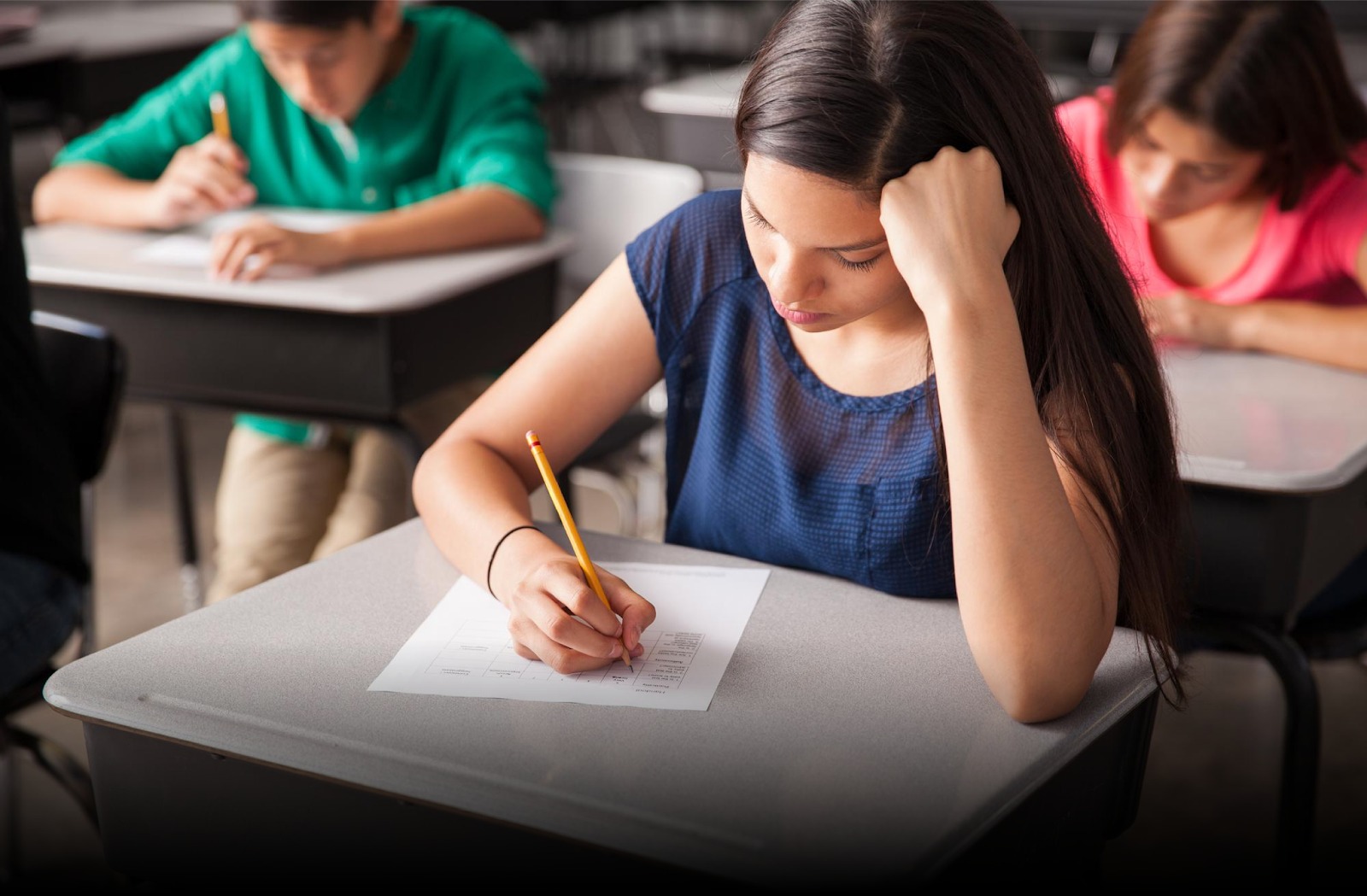
Some children experience anxiety related to academic expectations. They may feel intense pressure to perform well or fear disappointing teachers or parents.
Signs of academic anxiety may include:
Spending excessive time on homework
Fear of tests or presentations
Perfectionism and frustration over small mistakes
Meltdowns during homework or study time
While motivation can be healthy, extreme fear of failure can make learning stressful rather than enjoyable.
Younger children may experience separation anxiety when leaving parents for the school day.
Symptoms may include:
Clinging to parents during drop‑off
Crying or distress at school entry
Worry about something bad happening to family members
Frequent visits to the school nurse
In many cases, separation anxiety improves with gradual exposure and reassurance.
Parents can take several steps to support children experiencing school anxiety.
Encourage children to talk openly about their worries. Asking gentle questions like “What feels hardest about school right now?” can help uncover the source of anxiety.
Consistent morning and bedtime routines help children feel more secure and prepared for the school day.
Helping children brainstorm solutions—such as practicing presentations or planning how to approach new friendships—can increase their sense of control.
Teachers and school counselors can provide valuable insight and support. Collaborating with school staff can help create strategies that make the classroom environment more comfortable for the child.
If anxiety significantly interferes with school attendance, friendships, academic performance, or daily functioning, professional support like family counseling may be beneficial.
A mental health professional can help children:
Identify and understand their worries
Learn coping strategies for managing anxiety
Build confidence in social and academic situations
Early support can prevent anxiety from becoming more severe and help children develop lifelong emotional skills.
Children with anxiety are often highly thoughtful, sensitive, and perceptive. With the right guidance and support, they can learn how to manage their worries and develop confidence in their abilities.
By recognizing the signs early and responding with patience and understanding, parents can help their children feel safer, stronger, and more capable both in school and beyond
 Supriyo Khan
 Supriyo Khan
 Supriyo Khan
 Supriyo Khan

Want to add a comment?