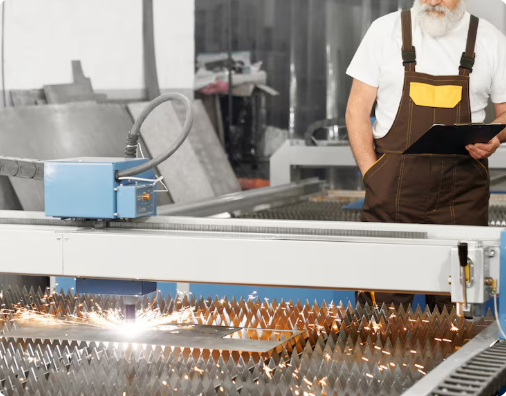
Plasma cutting technology has become an important part of modern manufacturing and metal fabrication. It allows businesses to cut metal quickly, accurately, and efficiently. However, even experienced operators can make mistakes during the cutting process. Incorrect settings, worn parts, and inconsistent techniques can lead to wasted materials, damaged equipment, and lower-quality cuts. Automated plasma cutting technology helps reduce many of those problems while improving overall productivity.
How Automation Improves Accuracy
Modern plasma cutting systems are designed to make the cutting process easier and more consistent. Features like automatic settings, digital controls, and smart consumables help operators avoid many common mistakes. Some systems even adjust settings automatically based on the type and thickness of the metal being cut.
Using tools like the Hypertherm sync cartridge can also simplify maintenance and setup. These advanced cartridges are designed to reduce guesswork by making consumable replacement faster and easier. That helps operators spend less time adjusting equipment and more time producing accurate cuts.
Automation improves consistency. It enables machines to follow the same programmed instructions every time. Unlike manual cutting, which may vary depending on the operator’s experience or fatigue, automated systems deliver repeatable results.
Common Operator Errors in Plasma Cutting
Traditional plasma cutting depends heavily on operator skill. Small mistakes can significantly affect cut quality and production speed. One common issue is using incorrect amperage settings, which can create rough edges, excessive dross, or incomplete cuts.
Another frequent problem is improper torch height. If the torch sits too close to or too far from the material, cuts may become uneven or damage the consumables. Operators may also use worn consumable parts longer than recommended, which reduces cut quality and increases equipment wear.
Manual movements can create inconsistent cutting speeds as well. Moving too slowly can overheat the metal while moving too quickly may leave unfinished cuts. These issues often lead to wasted materials and added labor costs.
Smart Features Help Prevent Mistakes
Automated plasma cutting systems often include built-in smart features that help prevent those common errors. Height control systems automatically maintain the correct distance between the torch and the metal surface. That improves cut quality while protecting the equipment from unnecessary wear.
Many modern machines also include software that recommends proper settings for different materials and thicknesses. Operators no longer need to rely entirely on trial and error. The system can guide them toward the correct setup from the beginning. Some plasma systems can even track consumable life and alert operators when parts need replacement. That helps avoid the problems caused by worn components while reducing unexpected downtime.
Improved Productivity and Lower Costs
Reducing operator errors does more than improve cut quality. It also saves businesses money. Mistakes in metal fabrication can waste expensive materials and increase production times. Reworking poor cuts requires additional labor, which raises operating costs even further.
Automation helps companies produce more accurate cuts with fewer mistakes. That reduces scrap and minimizes delays. Faster setup times and more reliable performance also help improve productivity. Because automated systems create more consistent results, businesses may spend less time inspecting finished parts and correcting errors. This allows teams to complete projects more efficiently and meet deadlines more reliably.
Simpler Training
Another major benefit of automated plasma cutting technology is that it simplifies training. Traditional plasma cutting often requires significant hands-on experience before operators become fully skilled. Automated systems reduce some of the complexity by guiding users through setup and operation.
New employees can learn the process more quickly because many settings are automated or clearly displayed through digital interfaces. That helps businesses maintain productivity even when experienced operators are unavailable. Simpler operation can also improve workers' confidence and reduce stress for those who are still learning to use advanced cutting equipment.
Minimizing Human Error and Its Consequences
Automated plasma cutting technology is helping manufacturers reduce operator errors while improving speed, consistency, and efficiency. Smart features such as automatic controls, digital settings, and advanced consumables make the cutting process easier to manage and more reliable. By reducing mistakes, businesses can lower costs, reduce waste, improve their productivity, and create safer work environments for their employees.
 Supriyo Khan
 Supriyo Khan
 Supriyo Khan
 Supriyo Khan

Want to add a comment?