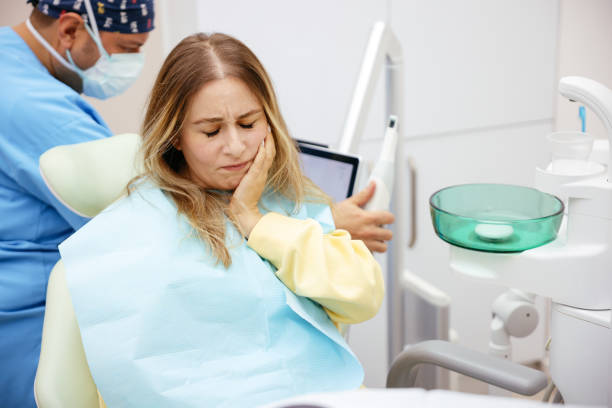
A toothache can start small.
Maybe it feels like a dull ache after dinner. Maybe it only hurts when you bite down. Maybe it wakes you up in the middle of the night and suddenly feels impossible to ignore.
The hard part is knowing when tooth pain can wait and when it needs urgent dental care.
Some toothaches come from minor irritation, food stuck between the teeth, or temporary sensitivity. Others point to a deeper problem, such as an infection, cracked tooth, abscess, or damaged nerve.
So how do you know the difference?
A toothache may be a dental emergency if the pain feels severe, keeps getting worse, comes with swelling, fever, bleeding, pus, a bad taste, or makes it hard to open your mouth, breathe, or swallow. Mayo Clinic recommends calling a dentist or doctor right away if tooth pain lasts more than a day or two, comes with fever, or shows signs of infection such as swelling, bite pain, red gums, or foul-tasting discharge. Trouble breathing or swallowing needs emergency hospital care.
If you are dealing with serious tooth pain and need help, you can contact Hollywood Dentist to ask about available dental care options.
Tooth pain can feel different from person to person.
Some people feel sharp pain when cold water touches the tooth. Others feel pressure near the gums. Some feel a deep throbbing pain that spreads to the jaw, ear, or head.
Those details matter.
A quick sting from cold food may point to tooth sensitivity. Pain that lingers, gets worse, or keeps you from sleeping may point to something more serious.
The question is not only, “Does it hurt?”
The better question is, “Is the pain getting worse, spreading, or coming with other symptoms?”
That is usually where the emergency warning signs show up.
Pain is your body’s warning signal.
A mild toothache that improves may not need same-day emergency care. But severe pain is different, especially when it does not calm down or keeps coming back stronger.
Cleveland Clinic describes a dental emergency as a mouth injury or dental problem that causes uncontrolled bleeding, severe pain, or broken facial bones. It also warns that untreated dental emergencies can lead to spreading infection, tooth mobility, or tooth loss.
If the pain feels unbearable, keeps you awake, or stops you from eating, working, or thinking clearly, call a dentist as soon as possible.
Do not try to “tough it out” for several days.
Tooth pain often gets worse because the source of the problem remains inside the tooth or gums. Pain medicine may quiet it for a few hours, but it usually will not fix decay, infection, a crack, or an abscess.
Swelling around the gums, jaw, cheek, or face can point to infection.
That does not mean you should panic, but you should take it seriously.
Dental infections can spread beyond the tooth. If swelling moves into the face, jaw, neck, or under the tongue, the situation can become dangerous.
Mayo Clinic says that if you have fever and facial swelling and cannot reach your dentist, you should go to an emergency room. It also says trouble breathing or swallowing can mean the infection has spread deeper into the jaw, throat, neck, or other areas of the body.
That is one of the clearest signs that a toothache has moved beyond a regular dental problem.
If your face looks swollen, your jaw feels tight, or your throat feels affected, get help right away.
A fever means your body may be fighting something.
When fever shows up with tooth pain, dentists take it seriously because it may point to an infection or abscess.
Other signs can include chills, tiredness, swollen glands, a bad taste in the mouth, pus near the gums, or pain that gets worse when you bite down.
A tooth abscess will not usually go away by itself. The pressure may rise, the pain may get worse, and the infection may spread.
You may feel tempted to wait if the pain comes and goes. But fever changes the picture.
Tooth pain plus fever is a reason to call a dentist urgently.
If your tooth hurts when you bite, chew, or release pressure, something may be wrong below the surface.
It could come from a cavity, a cracked tooth, an inflamed nerve, a loose filling, gum infection, or an abscess near the root.
This type of pain deserves attention because it often means the tooth cannot handle pressure normally.
Do not keep chewing on that side to “test it.”
That can make a cracked tooth worse or irritate the area even more. Soft foods may help for the moment, but you still need a dental exam to find the cause.
A dentist can check the tooth, take X-rays if needed, and see whether you need a filling, crown, root canal, extraction, or another treatment.
A bad taste in your mouth can come from many things.
But if you notice pus, drainage, a pimple-like bump on the gums, or a foul taste near a painful tooth, that may point to infection.
Sometimes an abscess drains and the pain temporarily feels better. That does not mean the infection disappeared.
It may only mean pressure released for a short time.
This is one of the reasons dental infections can fool people. The pain may drop, but the problem remains.
If you notice pus, swelling, or a gum bump near the painful tooth, call your dentist as soon as possible.
A small chip may not always require emergency care, especially if there is no pain.
But a broken tooth with pain, bleeding, sharp edges, swelling, or sensitivity can become urgent. A crack can expose the inner part of the tooth or allow bacteria to reach deeper areas.
The American Dental Association recommends rinsing the mouth with warm water after a cracked tooth and using a cold compress on the face to reduce swelling. It also says to see a dentist as soon as possible.
Do not chew on the broken tooth.
Do not try to smooth it with a tool at home.
If a piece broke off, save it if you can and bring it with you. The dentist may or may not use it, but it can help them understand the injury.
A knocked-out permanent tooth needs immediate care.
The faster you act, the better the chance of saving the tooth.
The ADA says to keep a knocked-out adult tooth moist at all times. You can try placing it back in the socket without touching the root. If that is not possible, place it between the cheek and gums, in milk, or in a tooth preservation product, then get to the dentist right away.
Only hold the tooth by the crown, which is the white chewing part.
Do not scrub the root.
Do not let it dry out.
This situation is different from a normal toothache. It needs urgent dental care immediately.
Some tooth pain may not require same-day emergency care.
For example, mild sensitivity to cold, slight gum soreness, or discomfort from food stuck between teeth may calm down after cleaning the area.
You can rinse with warm water. You can gently floss to remove trapped food. The ADA also advises not to put aspirin directly on the aching tooth or gum tissue.
If the pain goes away and does not return, it may not be an emergency.
But you should still mention it at your next dental visit, especially if sensitivity keeps coming back.
A small issue can become a bigger problem when it gets ignored for months.
You can take a few simple steps while waiting for dental care.
Rinse your mouth gently with warm water.
Floss carefully around the painful tooth in case food got trapped.
Use a cold compress on the outside of your cheek if you have swelling.
Avoid chewing on the painful side.
Stay away from very hot, cold, hard, sticky, or sugary foods if they trigger pain.
You can use over-the-counter pain relief according to the label or your doctor’s instructions, but do not place aspirin directly on your gums or tooth.
These steps may help you feel more comfortable, but they do not replace dental treatment.
If the tooth has decay, infection, a crack, or nerve damage, you need a dentist to treat the source.
Most toothaches need a dentist, not a hospital emergency room.
But some symptoms need emergency medical care.
Go to the ER if you have trouble breathing, trouble swallowing, swelling that spreads to the face or neck, high fever with facial swelling, uncontrolled bleeding, or serious facial trauma.
A hospital can help with dangerous swelling, breathing concerns, spreading infection, or injury. But you may still need a dentist afterward to treat the actual tooth.
That is why calling a dental office first often makes sense when symptoms are urgent but not life-threatening.
If you are unsure, it is better to call and explain what you feel.
Toothaches rarely happen for no reason.
Pain can come from decay, infection, gum disease, a damaged filling, a cracked tooth, grinding, or trauma. If the cause stays untreated, the problem can grow.
A small cavity can reach the nerve.
A cracked tooth can split further.
A gum infection can spread.
An abscess can become more painful and more serious.
Waiting can also make treatment more expensive. A tooth that needs a filling today may need a root canal or extraction later.
That is why early care matters.
You do not need to wait until the pain becomes unbearable before calling the dentist.
Ask yourself these questions:
Is the pain severe?
Has it lasted more than one or two days?
Is it getting worse?
Do I have swelling in my gums, jaw, cheek, or face?
Do I have fever, chills, pus, or a bad taste?
Does it hurt when I bite down?
Did I crack, break, or knock out a tooth?
Am I having trouble opening my mouth, swallowing, or breathing?
If you answered yes to any of these, do not ignore it.
Call a dentist and explain your symptoms clearly. If breathing or swallowing feels difficult, or swelling is spreading into your face, neck, or throat, go to emergency medical care.
The treatment depends on the cause.
A cavity may need a filling or crown.
A damaged nerve may need root canal treatment.
An abscess may need drainage and dental treatment to remove the source of infection.
A cracked tooth may need bonding, a crown, root canal treatment, or removal, depending on the damage.
A gum infection may need deep cleaning or periodontal care.
The goal is not only to stop the pain. The goal is to save the tooth when possible and prevent the problem from spreading.
That starts with an exam.
For patients in the Hollywood area, Dr Sally can help you take the next step and find out what is causing the pain.
A toothache does not always mean something terrible is happening.
But it does mean your mouth needs attention.
If the pain feels mild and goes away quickly, you may be able to schedule a regular dental visit. If the pain lasts, gets worse, wakes you up, or comes with swelling, fever, pus, bleeding, or trouble chewing, treat it as urgent.
Your teeth should not hurt for days.
Your face should not swell from a tooth problem.
You should not have to live on pain medicine just to get through the day.
When in doubt, call the dentist. A quick phone call can help you decide whether you need same-day care, a regular appointment, or emergency medical attention.
 Supriyo Khan
 Supriyo Khan
 Supriyo Khan
 Supriyo Khan

Want to add a comment?