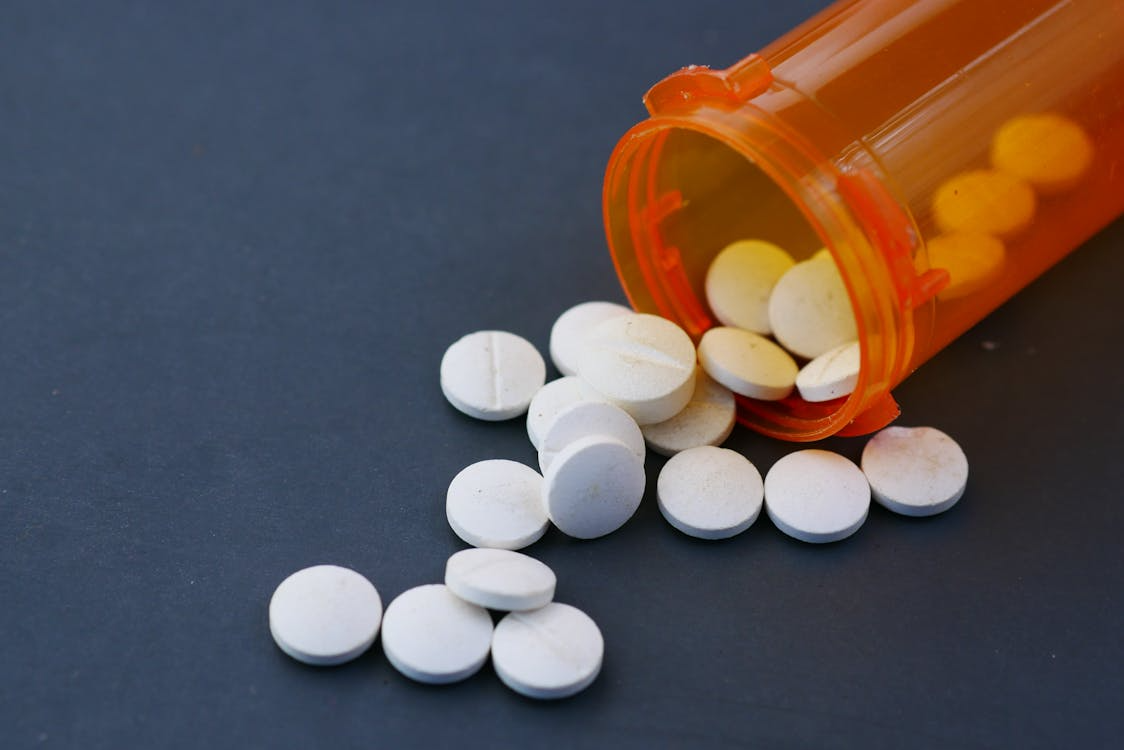
Most people assume that holding a valid prescription from their doctor is basically bulletproof protection. Here's the uncomfortable truth, it really isn't. Thousands of Americans get hit with prescription drug criminal charges every single year for things they never considered remotely illegal.
Handing a pill to a suffering spouse. Tossing a few tablets loose in your purse. Visiting more than one doctor for a stubborn pain condition. The legal line is closer than you think, and understanding where it sits could be the most important thing you read this year.
Florida doesn't mess around when it comes to prescription-related offenses. Broward County courts handle these cases constantly, and the outcomes can be brutal for unprepared defendants.
If questions about your medications start coming up, from a pharmacist, a police officer, or anyone official, consulting a Fort Lauderdale Drug Crime Attorney immediately can stop a confusing situation before it spirals into something far worse.
Here's a number that puts things in perspective: the DEA's National Prescription Take Back Day has pulled nearly 19.2 million pounds of unneeded medications off the streets across America, which tells you something staggering about how many controlled substances are quietly sitting in people's medicine cabinets right now, ready to create legal liability.
A routine traffic stop. You're carrying your prescribed pills outside their original bottle, suddenly you're facing a possession charge. You hand one painkiller to a family member who's in obvious pain, that can legally be classified as distribution. You drive after taking your medication exactly as your doctor ordered, and still get a DUI if the officer decides you seem impaired. Cross a state line with controlled substances legal in Florida but restricted elsewhere, and federal complexity enters the picture fast. None of these scenarios are hypothetical. They happen constantly.
The federal Controlled Substances Act doesn't operate in isolation. Florida maintains its own controlled substance schedules, and together they create overlapping legal frameworks that prosecutors navigate depending on quantity, intent, and your prior record. What starts as what feels like a pharmacy misunderstanding can escalate into a criminal prosecution faster than most patients ever imagine.
Prescription misuse legal consequences aren't one-size-fits-all. They run a wide spectrum, from minor misdemeanors to serious felonies, depending on the drug, the quantity, and the full circumstances of what happened.
A first-time incident involving a small amount might route through drug court or a diversion program. Add a prior offense, or throw opioids into the mix, and you're suddenly looking at felony charges carrying years of potential prison time.
This is where things get personal and lasting. Nurses lose their licenses permanently. Pilots get grounded for life. CDL holders lose the ability to earn a living. Non-citizens face deportation.
Beyond those professional consequences, a conviction touches child custody decisions, your right to own a firearm, and your ability to rent housing, effects that follow you long after any sentence is served. That's not fear-mongering. That's reality.
Not every charge involves a legitimately prescribed medication gone sideways. Illegally obtained prescription charges focus on situations where the allegation is that the drugs were fraudulently acquired from the very beginning.
Using a family member's prescription bottle at a pharmacy. Calling in as a physician to authorize your own refill. Altering a written script by even a single digit. Accessing forged e-prescriptions. Pharmacists are specifically trained to catch these behaviors, they're not rare edge cases to them. It's part of the job.
Florida's Prescription Drug Monitoring Programs run real-time pattern checks across every participating pharmacy in the state. Insurers feed data to investigators. Undercover operations targeting pill mills are ongoing throughout South Florida. If you think certain activity stays invisible, the data infrastructure behind it often proves otherwise.
Once law enforcement flags a suspicious prescription, prosecutors need to meet specific legal thresholds to actually prove prescription drug fraud. Those standards matter enormously when building any defense.
Patient-level fraud typically involves fabricated injuries or forged prescriptions. Provider-level fraud drags in doctors, clinic staff, and nurses. And when Medicare or Medicaid billing connects to the prescription, federal charges stack on top of state ones almost automatically.
Pharmacy records. PDMP printouts. Refill histories. Text messages. Venmo transactions. Surveillance footage. These cases are genuinely data-heavy. Interestingly, that cuts both directions, the same records that expose fraud can just as powerfully establish innocence.
Doctor shopping laws have become one of law enforcement's most effective tools, largely because real-time PDMP access means overlapping prescriptions get flagged almost instantly now.
Visiting multiple prescribers for the same controlled substance without disclosing it to each provider, that's the textbook definition. Urgently stacking telehealth appointments or cycling through urgent care clinics to accumulate a supply? Investigators specifically watch for those patterns.
Visiting a second physician for a genuine second opinion is perfectly legal. The critical element is disclosure. Tell every provider about your existing prescriptions. Keep detailed records of every prescription change and every conversation. That documentation protects you if questions surface later.
Fines, incarceration, and probation remain the most common outcomes. That said, courts increasingly lean toward treatment-oriented resolutions when defendants have documented substance use disorders, which can substantially reduce or even eliminate jail time.
Investigations don't end with patients. A 2025 federal health care fraud takedown resulted in criminal charges against 74 defendants, including 44 licensed medical professionals, connected to the alleged illegal diversion of over 15 million prescription pills.When a clinic becomes a prosecution target, patients suddenly find themselves caught inside a case much larger than their own situation.
Cash-only payment policies. Extremely brief appointments. No physical examination performed. These are the markers investigators use to identify pill mill operations. And when a clinic gets prosecuted, the patient files follow immediately.
Yes, and often without a warrant. Pharmacies share records through PDMP databases routinely during fraud and doctor shopping investigations.
Legally, yes. Transferring any controlled substance to another person, even without money changing hands, can be charged as distribution under Florida law.
Not completely. A valid prescription may defend against simple possession, but won't shield you from DUI charges, distribution allegations, or possession outside the original container under certain circumstances.
Prescription drug laws are genuinely complex, and honest mistakes carry real-world consequences that can reshape your life. Prescription drug criminal charges can emerge from behaviors most people consider entirely routine, organizing your pills, sharing a tablet with a spouse, filling your prescription at a different location than usual.
The stakes include felony records, lost professional licenses, and damage to your family that takes years to undo. If anything about how investigators, pharmacists, or law enforcement are treating your prescriptions feels wrong, getting legal guidance immediately isn't overreacting. It's exactly the right move.
 Supriyo Khan
 Supriyo Khan
 Supriyo Khan
 Supriyo Khan
Want to add a comment?