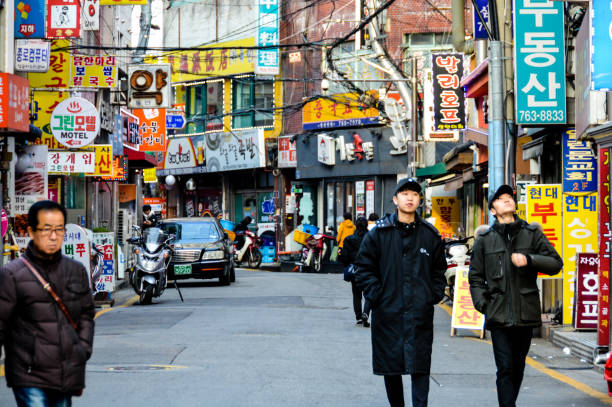
Walking through Seoul's fashion districts feels like stepping into a living mood board for fantasy character designers. The streets pulse with bold experimentation, where everyday people transform sidewalks into runways with fearless style combinations. This creative energy provides endless inspiration for anyone designing supernatural warriors, offering a masterclass in how contemporary fashion can inform fantastical costumes.
The connection isn't immediately obvious until you start noticing the details. That oversized jacket with unexpected zippers and asymmetric cuts? It could easily belong to a hunter tracking creatures through urban landscapes. Those platform sneakers with metallic accents? Perfect footwear for someone who needs both altitude and attitude while battling otherworldly threats.
Korean street style has mastered the art of mixing textures, proportions, and unexpected elements into cohesive looks that feel both wearable and extraordinary. This same principle translates beautifully into costume design for supernatural narratives. When creating K-Pop Demon Hunters Costumes, designers draw from this wellspring of real-world innovation, grounding fantastical elements in recognizable fashion logic.
Consider how street fashion plays with layering. A basic outfit might include a crop top, oversized shirt, fitted jacket, and flowing outer layer, each piece serving visual and practical purposes. Apply this thinking to a demon hunter's ensemble, and suddenly you have costumes that suggest preparedness, personality, and tactical thinking all at once.
One remarkable aspect of Seoul's street fashion is its democracy. Unlike haute couture that exists primarily in photographs and runways, Korean street style is meant to be worn, walked in, and lived. This accessibility makes it perfect inspiration for character costumes that need to feel believable even when depicting impossible scenarios.
Designers can observe how real people solve fashion challenges and apply those solutions to fantasy contexts. How do you stay warm while looking cool? How do you make statement pieces work with everyday basics? These aren't just fashion questions; they're character development opportunities. A well-designed costume tells stories about who wears it and how they move through their world.
Seoul's fashion scene demonstrates fearless use of color in ways that challenge Western fashion norms. Pastels mix with neons. Earth tones get paired with electric brights. This color theory confidence translates powerfully into supernatural costume design, suggesting that demon hunters can favor lavender and mint green just as effectively as black and blood red.
This approach humanizes supernatural warriors, making them feel like people with preferences and personalities rather than generic archetypes. A hunter who chooses baby blue accents on their combat gear tells a different story than one who defaults to all black, even if their abilities remain identical.
Korean street fashion excels at incorporating functional items in stylish ways. Bags, belts, and accessories aren't afterthoughts but integral design elements. This thinking proves invaluable when designing hunter costumes that need to carry mystical weapons, protective charms, and practical gear without looking like walking storage units.
Harnesses become fashion statements. Utility belts transform into jewelry. Protective gear morphs into statement pieces. Every necessary element gets considered for its visual contribution, creating costumes that look intentionally designed rather than accidentally assembled.
The journey from street observation to character creation requires attention and imagination. Successful designers don't copy what they see but translate it, asking how a particular silhouette or color combination might function in their fictional world. They consider how fabrics would move during action sequences, how accessories might catch light in dramatic moments, and how overall looks would photograph from multiple angles.
This translation process keeps designs fresh and surprising while maintaining believability. Characters feel rooted in reality even while fighting supernatural threats, creating visual narratives that resonate with audiences who recognize the fashion language being spoken, even if they can't quite place where they've seen it before.
 Supriyo Khan
 Supriyo Khan
 Supriyo Khan
 Supriyo Khan

Want to add a comment?