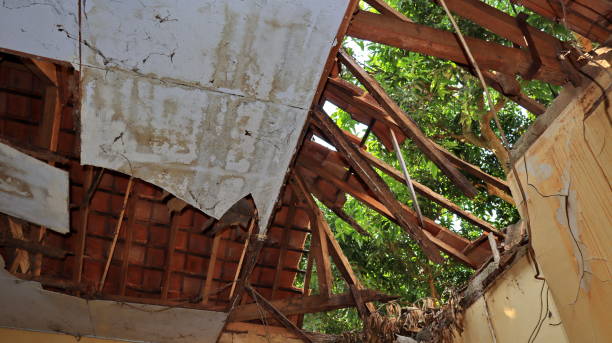
A roof is designed to protect a home from the elements, but it also plays a critical role in preserving the structure beneath it. Small roofing issues often develop quietly, showing subtle signs long before serious damage occurs. When these early warnings are overlooked, problems that could have been managed easily may turn into costly structural concerns.
Many homeowners delay action because roof issues are not always visible from the ground. Minor leaks, loose materials, or worn flashing can exist without obvious interior damage at first. However, these conditions allow moisture and stress to affect framing, insulation, and interior surfaces over time.
Homeowners often consult Homey Roofing and Restoration to understand when roof repairs in Lone Tree become essential for preventing long-term structural damage. Knowing how to recognize the right moment to act can protect the integrity of the home and prevent avoidable deterioration.
Structural damage rarely starts with dramatic failure. It usually begins with small weaknesses that spread gradually.
Water intrusion is the most common contributor. Even minimal moisture can weaken wood, promote rot, and compromise load-bearing components when left unaddressed.
Early action limits hidden damage.
Minor roofing issues may seem harmless at first. A small leak or missing shingle often appears manageable.
However, these openings allow water to reach areas not designed to handle moisture. Over time, this leads to warped framing, weakened decking, and compromised insulation.
Small issues often signal bigger risks.
Water does not always enter where damage is visible.
It can travel along rafters, beams, and insulation before appearing indoors. This makes identifying the source difficult and increases the risk of widespread damage.
Repeated moisture exposure accelerates decay.
Wood fibers break down, fasteners corrode, and materials lose strength. Structural performance declines with each cycle of exposure.
Some signs of roof-related structural risk are subtle.
Discoloration on ceilings, soft spots in decking, or unexplained drafts may indicate underlying issues. Paying attention to these indicators allows timely intervention.
Awareness prevents escalation.
When roof issues persist, the structure compensates under stress.
Materials shift, sag, or settle unevenly. Over time, this compromises stability and increases the likelihood of extensive repairs.
Delays multiply consequences.
The roof supports more than weather protection.
It interacts directly with framing systems. When water reaches these components, strength and alignment are affected.
Protecting the roof protects the structure.
Moist environments promote mold and rot.
These conditions weaken structural wood and pose health risks. Addressing roof issues early limits the conditions that allow deterioration to develop.
Dry structures last longer.
Early roof repair often targets a specific area.
When action is delayed, damage spreads beyond the initial problem. What could have been a focused repair may require structural reinforcement later.
Timing controls complexity.
Roof drainage affects foundation health.
Poor water management leads to runoff near the foundation, increasing soil saturation and movement. Proper roof function supports overall structural balance.
Systems work together.
Ceilings, walls, and support beams suffer when leaks persist.
Moisture weakens drywall, framing, and fasteners. Early repair limits interior structural exposure.
Interior protection matters.
Wet insulation loses effectiveness and weight increases.
This added weight stresses ceiling structures and reduces energy efficiency. Keeping insulation dry protects supporting components.
Efficiency supports stability.
Damaged roofs are more vulnerable to weather forces.
Wind lifts loose materials, allowing more exposure. Rain follows weakened paths, accelerating deterioration.
Weather exploits weakness.
Decking provides the base for roofing materials.
Moisture weakens decking layers, leading to sagging and uneven surfaces. Timely intervention preserves this critical layer.
Strong decking supports the system.
Extreme cases of neglect increase collapse risk.
While rare, severe water damage can compromise load-bearing elements. Preventive care dramatically reduces this possibility.
Safety depends on maintenance.
Structural damage affects occupant safety.
Weak ceilings, hidden rot, or shifting components pose risks. Early repairs protect those living inside the home.
Safety starts with prevention.
Addressing problems early improves results.
Repairs are more effective when surrounding materials are still sound. Strong foundations lead to better outcomes.
Good timing improves quality.
Structural integrity influences property value.
Homes with well-maintained roofs show fewer inspection concerns. Preventive care protects long-term investment.
Value reflects condition.
Insurance claims are smoother when damage is limited.
Preventing escalation avoids disputes over neglect. Responsible maintenance supports coverage.
Documentation supports protection.
Unexpected structural repairs strain budgets.
Early roof repair spreads costs more evenly and avoids large emergency expenses.
Predictability improves planning.
Homeowners plan for stability.
Preventing structural damage aligns with long-term ownership goals. Care today protects future comfort.
Planning supports peace of mind.
Gutters and slopes direct water away from the structure.
Roof issues disrupt this flow, increasing exposure. Proper repair restores drainage efficiency.
Flow protects structure.
Structural spaces need ventilation and dryness.
Roof leaks compromise these areas quickly. Early intervention preserves critical structural zones.
Hidden spaces matter.
Proactive care prevents crisis.
When homeowners address small issues early, they avoid major disruptions. Awareness builds better habits.
Habits protect homes.
Structures perform best when conditions remain stable.
Repeated exposure to moisture disrupts consistency. Preventive repair maintains balance.
Stability improves longevity.
Roof issues rarely stay isolated.
One problem leads to another, affecting multiple systems. Early repair breaks this chain.
Intervention limits spread.
Knowing the structure is protected builds confidence.
Homeowners feel more secure when risks are managed. Confidence improves daily comfort.
Trust supports peace of mind.
Roof maintenance should align with structural care.
Integrated planning strengthens overall home performance. Systems work best together.
Coordination improves outcomes.
Structural damage is costly and disruptive.
Preventive roof repair reduces risk and protects the home’s core. Priority actions yield long-term benefits.
Protection is an investment.
Future weather and aging are inevitable.
A well-maintained roof prepares the structure to handle stress. Prepared homes endure longer.
Resilience starts at the top.
Not every roof issue requires delay.
Knowing when to act prevents regret. Early decisions protect structural health.
Awareness guides timing.
Prevention is more effective than correction.
Roof repair plays a central role in this strategy. Addressing issues early supports structural longevity.
Strategy supports success.
The structure is the home’s foundation of safety and value.
With guidance from Homey Roofing and Restoration, Roof Repair becomes a critical step in preventing structural damage. When Roof Repair is addressed at the right time, homeowners protect their investment, preserve structural integrity, and ensure their homes remain safe and stable for years to come
 Supriyo Khan
 Supriyo Khan
 Supriyo Khan
 Supriyo Khan

Want to add a comment?