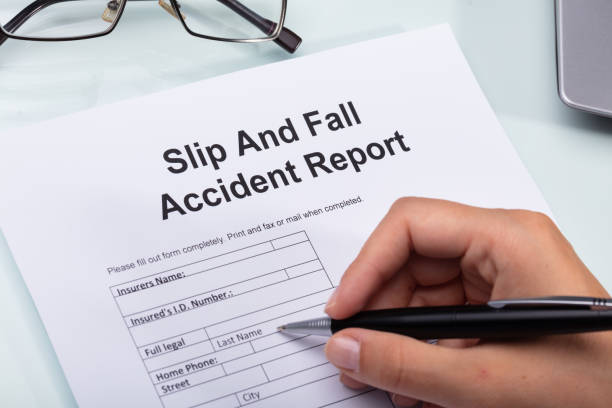
An accident report is one of the first and most important steps any victim should take. That report puts on record that the fall occurred and documents the exact conditions involved. Property owners cannot easily deny a fall when a written report exists on file. Salamati Law Firm in Los Angeles, CA, knows how to take what's in that report and build a case around it. Real premises liability experience means knowing exactly which details matter most and how to use them. Knowing what to include in that report from the start can make a real difference in your case.
Your Full Contact and Identifying Information
Start with your full name, address, and contact information. That ties the report directly to you and your claim from the very beginning. Include the date, time, and location of the fall as specifically as you can. Vague descriptions weaken the report, so note the aisle, floor, or entrance by name. Discussing your case with attorneys who handle accident reports early makes sure nothing important gets left out. Even minor details about your exact position at the time of the fall matter.
A Clear Description of the Hazardous Condition
Describe exactly what caused your fall. Be specific about the hazard and its location. Note whether the condition was visible or something you had no way to anticipate. If you have any sense of how long that hazard had been there, make sure that goes in the report too. If an employee acknowledged the problem or you overheard a related conversation, note it too. The more precisely you describe the hazard, the harder it is for the property owner to deny it existed.
Details About Your Injuries at the Time of the Fall
Write down every pain or discomfort you felt right after the fall, no matter how minor it seems. Describe pain, swelling, difficulty standing, or any other symptom you notice at the scene. Don't downplay how you feel in that report. What seems minor now could turn out to be more serious later. Injuries that seem minor at first can develop into more serious conditions within days. What you document right after the fall aligns with your medical records and strengthens your case as a whole. Adjusters look for gaps between the incident and first reported symptoms to challenge your claim.
Witness Names and Contact Information
Anyone who saw the fall or knew of the hazard should be listed in the report. Get the name and contact information of anyone who saw what happened before they leave the scene. Ask witnesses who saw the fall to stay until the property manager documents their statement. Bystanders who knew of the hazard but did not see the fall are worth including. A witness who saw that hazard before you fell can be incredibly valuable to your case. What they saw and can confirm often becomes some of the most compelling evidence you have.
The Name and Title of the Person Who Received the Report
Always record who you submitted the report to, including their name and job title. It also protects you if the property owner tries to deny that the report was ever made. If a manager refuses to file a report, document that refusal in writing with their name. Ask for a copy of the report before leaving the property whenever possible. A copy from day one prevents the owner from altering the report's contents later. This step is often overlooked but can prove decisive in a disputed liability case.
A thorough accident report is one of the most important things you can do for your case. The details you capture right after the fall are often lost forever if you wait too long. In California, that report can be used directly as evidence in your liability claim. The more accurately you document everything, the more your attorney has to work with. Those details are what tie the property owner's negligence directly to your injuries. Get it right from the start, and your case starts from a much stronger place.
 Supriyo Khan
 Supriyo Khan
 Supriyo Khan
 Supriyo Khan

Want to add a comment?