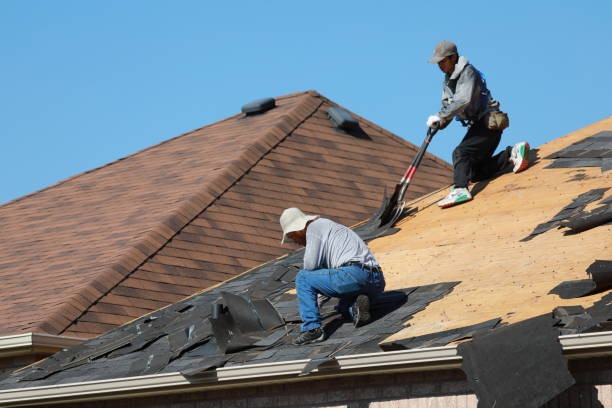
Roof installation is more than placing shingles or panels on a structure. It involves careful planning, material selection, and precise execution to ensure durability and performance. Poor installation can lead to leaks, heat loss, and premature failure, even when high quality materials are used.
Understanding how roof installation works helps homeowners make informed decisions when repairs are no longer sufficient. Knowing what the process involves and why each step matters allows property owners to protect their investment and avoid costly issues in the future.
Roof installation is the process of removing an old roof or preparing a new structure and installing a complete roofing system. This system includes decking, underlayment, flashing, ventilation components, and the outer roofing material.
Each layer serves a specific purpose. The decking provides structural support, while underlayment adds a protective barrier against moisture. Flashing directs water away from vulnerable areas such as chimneys and valleys.
The final roofing material, whether shingles, metal, or tiles, shields the structure from the elements. Proper alignment and fastening are critical to ensure the roof performs as intended under varying weather conditions.
Roof installation is often required when an existing roof has reached the end of its useful life. Most roofing materials have a limited lifespan, and aging roofs become more susceptible to leaks, cracking, and material loss.
Severe weather damage can also make installation necessary. Storms, high winds, hail, and falling debris may compromise large sections of a roof, making repairs impractical or ineffective.
New construction projects naturally require full roof installation. In these cases, the roof must be designed to match building codes, climate conditions, and architectural style from the beginning.
Material selection plays a major role in roof performance and longevity. Asphalt shingles are common due to affordability and ease of installation. They offer reliable protection when installed correctly.
Metal roofing is known for durability and resistance to extreme weather. It reflects heat, sheds snow easily, and can last several decades. Tile and slate roofs provide distinctive appearance and long life but require stronger structural support.
Climate, budget, and building design all influence material choice. Understanding the strengths and limitations of each option helps homeowners select a roof that meets both functional and aesthetic needs.
Before installation begins, the existing roof structure must be evaluated. Damaged decking, rotting wood, or structural weaknesses must be addressed to ensure a solid foundation.
Proper preparation includes removing old materials, inspecting support components, and making necessary repairs. Skipping this step can lead to future problems, even with a newly installed roof.
Ventilation planning is also part of preparation. Adequate airflow prevents moisture buildup and regulates attic temperatures, which supports roof longevity and indoor comfort.
Roof installation follows a structured sequence to ensure protection at every stage. After preparation, underlayment is installed to create a moisture resistant barrier over the decking.
Flashing is then placed around roof penetrations and edges to direct water away from vulnerable areas. This step is critical for preventing leaks.
The roofing material is installed last, starting from the lower edge and working upward. Proper overlap, fastening, and alignment ensure the roof can withstand wind and rain effectively.
Roof installation requires specialized skills and safety measures. Working at height, handling heavy materials, and ensuring precise installation all present challenges.
A professional roof installation service in Newark provides experience and technical knowledge that reduce the risk of errors. Trained installers follow best practices and manufacturer guidelines to ensure proper performance.
Professional installation also helps ensure compliance with local building codes. This reduces the likelihood of issues during inspections or future property transactions.
Improper fastening is a frequent issue in poor installations. Nails placed incorrectly can lead to loose materials and wind damage.
Inadequate flashing is another common problem. Without proper flashing, water can penetrate joints and seams, leading to leaks and interior damage.
Poor ventilation planning can also shorten roof lifespan. Excess heat and moisture trapped beneath the roof accelerate material deterioration and increase energy costs.
Roof installation is influenced by weather conditions. Dry, moderate weather allows materials to seal properly and reduces safety risks for installers.
Extreme temperatures can affect material flexibility and adhesion. Scheduling installation during favorable conditions improves overall quality and durability.
Planning also minimizes disruption. Coordinating installation timelines helps homeowners prepare for noise, debris, and temporary access limitations.
A properly installed roof provides reliable protection for many years. However, regular inspections and maintenance help preserve performance.
Cleaning debris, checking flashing, and addressing minor issues early prevent small problems from becoming major repairs. Maintenance supports the full lifespan of the roof.
Understanding how the roof was installed also helps homeowners recognize when professional evaluation is needed. Familiarity with materials and structure supports informed maintenance decisions.
Roof installation affects more than exterior protection. A well installed roof supports energy efficiency by reducing heat loss and gain.
When combined with proper ventilation and insulation, a new roof helps maintain stable indoor temperatures. This reduces strain on heating and cooling systems.
Improved efficiency leads to lower energy bills and more consistent comfort throughout the year, especially in extreme climates.
Installing a new roof is a significant investment, but it offers long term financial benefits. Reduced repair costs and improved efficiency contribute to overall savings.
A new roof also enhances property value. Buyers often view roof condition as a major factor when evaluating a home.
Clear documentation of proper installation adds confidence and appeal, making the property more attractive in the real estate market.
Roof installation is a critical project that affects safety, comfort, and property value. Understanding the process empowers homeowners to make confident, informed choices.
From material selection to professional execution, each step plays a role in long term performance. Careful planning and quality installation reduce future risks.
By approaching roof installation with knowledge and attention to detail, property owners ensure lasting protection and peace of mind for years to come.
When considering a new roof installation, it's crucial to select materials that not only enhance the aesthetic appeal of your home but also provide robust protection against the elements. Consulting with a knowledgeable roofing contractor can make a significant difference in the longevity and performance of your roof. For residents in the Largo area, engaging a reputable roofing contractor largo ensures that your roof is installed with precision and care, tailored to withstand local weather conditions. This attention to detail not only safeguards your home but also adds value, offering peace of mind for years to come. Investing in quality installation today can prevent costly repairs and extend the life of your roof significantly. Supriyo Khan
 Supriyo Khan
 Supriyo Khan
 Supriyo Khan

Want to add a comment?