Key Takeaways
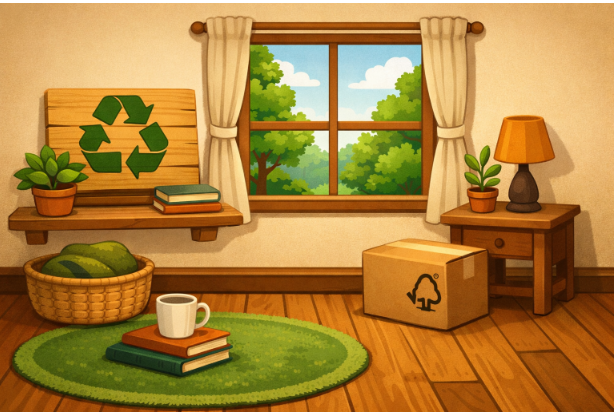
Eco-friendly materials and responsible practices define today’s hardwood flooring trends.
Reclaimed wood and sustainably sourced hardwood are increasingly favored by conscientious consumers.
Certifications such as FSC ensure ethical harvesting and management of forests.
Advancements in engineered wood provide durable, beautiful, and sustainable options.
Natural finishes and earthy aesthetics dominate current style preferences.
Consistent care extends the life, beauty, and sustainability of hardwood floors.
Embracing Eco-Friendly Materials
Hardwood flooring is as sought-after today as ever, but priorities have evolved. Homeowners and designers now lean toward sustainability, opting for materials that combine enduring visual appeal with eco-conscious practicality. Increasingly, those exploring hardwood flooring styles and options available in Tulsa want choices that align with both their values and their aesthetic goals.
Reclaimed wood is at the forefront of this trend, taking aged timber from old buildings and repurposing it into unique, character-rich planks. This approach significantly reduces the environmental impact associated with new lumber production. In addition, sustainably sourced timber, certified by strict environmental organizations, supports healthy forests, careful wildlife preservation, and ongoing biodiversity.
Innovations in Engineered Wood Flooring
Engineered wood has experienced notable advancements, making it a go-to option for those wanting traditional beauty with modern responsibility. Instead of being cut from a single slab, engineered wood features a layer of high-quality hardwood veneer affixed to a stable core crafted from plywood or fiberboard. This design maximizes each tree’s yield and delivers excellent stability and resistance to warping. For added environmental benefit, many engineered planks use recycled core materials, reducing reliance on virgin resources.
According to a recent guide from Architectural Digest, engineered wood floors often outperform solid hardwood in moisture-prone areas, making them perfect for modern homes open to new layouts and design possibilities.
Natural Finishes and Earthy Tones
Trends in finish and color follow the same sustainability-minded philosophy. While glossy varnishes once dominated, today’s flooring aficionados covet matte and satin finishes. These tones reveal the authentic grain and texture of the wood, which reduces the need for frequent refinishing and hides wear over time.
Earth-inspired hues like warm chestnut, sun-washed oak, and creamy beige are equally coveted. These shades bring a sense of calm and connection to nature, enhancing the ambiance of living rooms, studios, and bedrooms alike. Homeowners seeking harmony between interior space and the outside world find these organic tones both beautiful and practical.
As a result, the trend toward muted, natural finishes isn’t just an aesthetic preference; it’s a practical choice. These finishes are not only less prone to showing scratches and scuffs but also easier to maintain without resorting to harsh chemicals. Many manufacturers now offer finishes formulated with low-VOC or VOC-free compositions, making the air healthier inside homes and keeping environmental impact at a minimum. The movement is part of a broader embrace of “biophilic design,” where elements inspired by nature guide the look and feel of living spaces, reinforcing the human-nature connection through materials, light, and texture.
Certifications and Standards
Quality and responsibility go hand-in-hand in modern hardwood flooring. Shoppers should look for certifications such as the Forest Stewardship Council (FSC) mark, which signals wood harvested under rigorous environmental and social safeguards. The FSC sets globally recognized benchmarks for responsible forestry, covering everything from local community welfare to tree regeneration practices. Such third-party certifications help cut through marketing claims and verify true environmental stewardship.
Other certifications, such as those from the Sustainable Forestry Initiative (SFI) and Programme for the Endorsement of Forest Certification (PEFC), add further credibility and choice for consumers. These separate organizations often have slightly different standards, but all share a fundamental goal: to encourage a market for responsibly sourced wood and to ensure forest ecosystems remain healthy for generations to come. Many flooring brands now clearly display these seals, making it easier for consumers to make informed, responsible purchasing decisions.
Transparency in the supply chain is also gaining momentum, with manufacturers unveiling details about sourcing, production, and transportation. Having access to this information empowers homeowners to support ethical companies and avoid greenwashing, a practice where claims of sustainability are exaggerated or misleading.
Maintenance and Longevity
Eco-friendly flooring is not just about purchasing responsibly; it is also about long-term care. Routine cleaning using products free of toxins and harsh chemicals preserves both the floor and indoor air quality. Promptly wiping up spills, using soft pads under furniture, and placing area rugs in busy zones all minimize scratches and moisture damage.
Periodically refinishing floors rather than replacing them extends their useful lifespan, keeping wood out of landfills for as long as possible. Proper maintenance reduces the need for repairs and replacement, making the most of the environmental investment already made.
In fact, one of the standout benefits of hardwood flooring is its potential to remain beautiful and functional for decades, sometimes even surpassing a century with attentive care. Green cleaning products, which are biodegradable and free of phthalates or other harmful additives, support an eco-friendly lifestyle. Homeowners can also opt for professional maintenance services that utilize dustless sanding and environmentally friendly finishes to restore damaged or aging floors. This approach maintains the original craftsmanship and usable life of the flooring while minimizing waste, energy use, and cost compared to full replacement.
Additionally, proper humidity regulation inside the home, through the use of humidifiers or dehumidifiers, can help preserve wood’s structural integrity and minimize warping or gapping over time. Establishing a proactive care routine turns each hardwood floor into a long-term investment instead of a short-lived fashion choice.
Conclusion
The surge in sustainable hardwood flooring highlights a cultural commitment to preserving natural resources without sacrificing comfort or style. Eco-friendly floors created from reclaimed or responsibly sourced timber, finished in earthy hues, and maintained mindfully can last for generations. By choosing such materials and habits, homeowners elevate their living spaces and contribute to broader environmental well-being.
As the market continues to evolve, future trends in hardwood flooring are likely to emphasize even more transparency, innovation, and connection to both global and local ecosystems. Building strong partnerships between manufacturers, environmental watchdogs, and informed consumers will be critical in driving continued progress. Ultimately, sustainable hardwood flooring is about more than just the materials on your floor. It represents forward-thinking choices that build healthier homes, stronger communities, and a more resilient planet for all.
 Supriyo Khan
 Supriyo Khan
 Supriyo Khan
 Supriyo Khan

Want to add a comment?