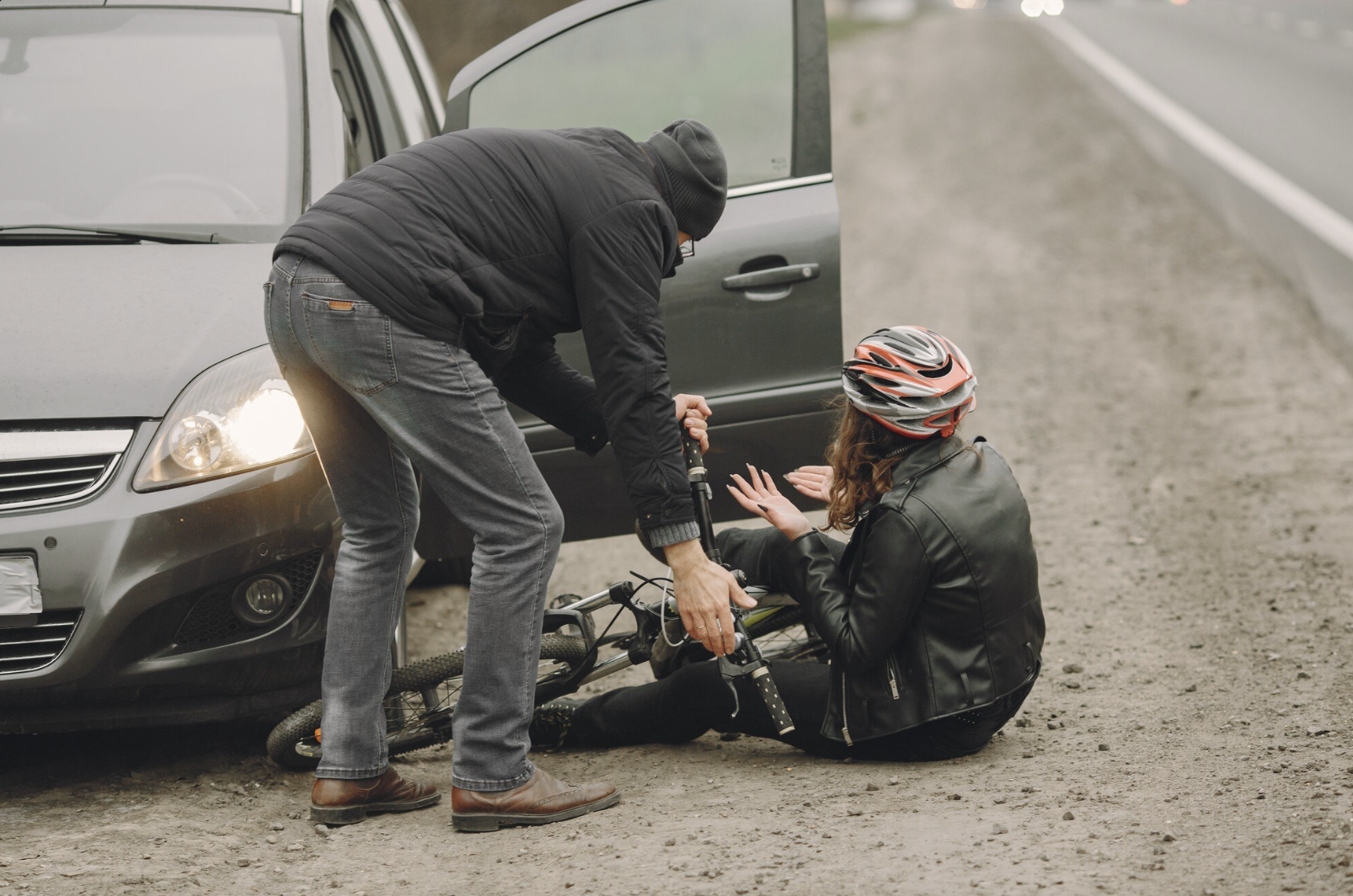
The beautiful coastal views, historic architecture, and year-round pleasant weather make Santa Barbara a paradise for walkers. From shopping along State Street to strolling down near Stearns Wharf, thousands of residents and tourists explore the city on foot every single day. Unfortunately, this high volume of foot traffic also means that the risk of a vehicle hitting a walker remains a serious concern on local roads.
If you or someone you love has been hurt while walking, contacting a Santa Barbara pedestrian accident attorney immediately can help protect your rights and ensure you receive the financial support needed for recovery.
When a regular passenger vehicle or a commercial delivery truck collides with an unprotected human body, the physical consequences are almost always severe. While a driver is protected by steel frames, airbags, and seatbelts, a walker has absolutely no protection. Understanding how these incidents happen in our community, what your rights are, and how to handle the aftermath can make a major difference in your physical and financial recovery.
Santa Barbara features a unique blend of tight grid systems, historic roadways, and heavy tourist traffic that creates specific hazards for people on foot. The city welcomes millions of visitors annually, many of whom are unfamiliar with local street layouts, looking for parking spaces, or distracted by smartphone navigation maps. This lack of familiarity often leads to sudden lane changes, unexpected turns, and a general failure to yield to individuals using crosswalks.
Certain areas in the city experience higher rates of vehicle-walker conflicts than others. The intersections along the heavy commercial corridors, the areas surrounding the University of California Santa Barbara campus, and the oceanfront avenues see a heavy mix of passenger cars, city buses, delivery vans, and distracted tourists. Furthermore, the presence of newer transit options like electric scooters and dockless rental bicycles has complicated the local traffic ecosystem, making sidewalks and street corners even more chaotic for everyday walkers.
Local weather and infrastructure also play a role in these events. While our region enjoys mostly sunny days, evening coastal fog can roll in rapidly, drastically reducing visibility for drivers on major routes like Highway 101 or Cliff Drive. When drivers fail to adjust their speed to account for reduced visibility or when city streetlights fail to sufficiently illuminate a crosswalk, unsuspecting walkers often pay the ultimate price.
Most traffic incidents involving people on foot are completely preventable and stem from driver negligence. Distracted driving tops the list of causes across the country and right here at home. Despite strict state laws banning handheld device usage behind the wheel, drivers frequently look at their phones to check text messages, change music playlists, or review maps, taking their eyes off the road during critical moments when a walker is stepping off a curb.
Speeding is another major factor that increases both the likelihood of a collision and the severity of the resulting injuries. When a motorist travels above the posted speed limit in residential neighborhoods or downtown shopping districts, their stopping distance increases dramatically. A driver traveling at a high rate of speed simply may not have enough time to brake when they notice someone entering a crosswalk.
Driving under the influence of alcohol or drugs remains a persistent threat to public safety on our coastal streets. The city boasts a vibrant nightlife scene with numerous bars, tasting rooms, and restaurants. When individuals choose to drive home after consuming alcohol, their reaction times slow down, their peripheral vision narrows, and their judgment becomes impaired, making it incredibly difficult for them to spot a person walking at night.
Many incidents occur simply because motorists do not understand or respect the right-of-way laws designed to protect walkers. Drivers turning right on a red light often look left for oncoming vehicular traffic but fail to look right to see if a human being is entering the crosswalk directly in front of their bumper. This type of blind-spot negligence happens daily at busy downtown intersections.
Because of the massive disparity in size and weight between a motor vehicle and a human being, the trauma resulting from these incidents is usually life-altering. When a car strikes a walker, there are actually two distinct impacts that cause harm. The first impact occurs when the bumper or hood hits the body, and the second impact occurs when the person is thrown onto the hard pavement or against a guardrail.
Brain trauma is among the most serious injuries sustained by victims in these scenarios. Even a seemingly minor bump to the head can cause a concussion, while more violent impacts can result in lasting brain damage that impairs cognitive functions, memory, and physical mobility. Victims often require long-term rehabilitation, speech therapy, and cognitive counseling to regain their independence.
Spinal trauma can lead to permanent changes in a person's life, including partial or complete paralysis. The medical costs associated with managing a lifelong spinal cord injury can quickly reach millions of dollars, placing an overwhelming financial burden on the victim and their family members.
Broken bones, crushed limbs, and severe soft tissue damage are also highly common. These injuries frequently require multiple corrective surgeries, extensive physical therapy, and months of missed work. The physical pain is often accompanied by deep psychological trauma, including anxiety, depression, and post-traumatic stress disorder related to the event.
The actions you take in the minutes, days, and weeks following a roadside incident will heavily influence your ability to recover financial compensation later. Your absolute top priority must always be health and physical safety.
Even if you believe your injuries are minor or that you are just shaken up, you must be evaluated by a healthcare professional right away. The rush of adrenaline immediately following a scary event can mask severe internal bleeding, organ damage, or hidden head trauma. Getting a formal evaluation at a local facility like Cottage Health creates an official medical record that connects your injuries directly to the collision, which prevents insurance adjusters from claiming your issues were caused by a pre-existing condition.
If you are physically capable or if you have a companion with you, try to gather as much documentation as possible before leaving the area. Use your phone to take photographs of the vehicle that hit you, the license plate, the driver's insurance card, the position of the car relative to the crosswalk, any visible skid marks on the pavement, and your own physical wounds.
Look around to see if any bystanders witnessed the collision. Collect their names, phone numbers, and email addresses. Insurance companies often try to flip the blame onto the walker, so having an unbiased account from an independent witness can serve as invaluable evidence for your legal claim.
Always call the police to the scene so an officer can file an official traffic collision report. The responding officer will interview both parties, examine the physical evidence, and sometimes issue a traffic citation to the reckless driver. This official police report serves as a foundational piece of evidence during insurance negotiations.
Many victims mistakenly believe that the at-fault driver's insurance provider will automatically step up and pay for all medical bills and lost earnings. In reality, insurance companies operate as businesses aimed at maximizing profit, which means their primary goal is to pay out as little money as possible to settle a claim.
Adjusters may reach out to you very quickly after the incident, offering a quick cash settlement. While a fast check might seem appealing when medical bills are piling up, these initial offers are almost always lowball estimates that will not cover the true long-term costs of your treatment and rehabilitation. Once you sign a settlement release form, you forfeit your right to ask for additional compensation, even if your injuries turn out to be far worse than you initially thought.
Insurance adjusters might also ask you to provide a recorded statement about how the event occurred. It is highly recommended that you politely decline to give a statement until you have consulted with a legal professional. Adjusters are trained to ask misleading questions designed to trick you into admitting fault or downplaying the severity of your physical pain.
Partnering with an experienced legal advocate allows you to focus entirely on your physical healing while an expert handles the stressful paperwork and financial negotiations. A dedicated attorney will launch a comprehensive investigation into the incident, which may involve obtaining local traffic camera footage, downloading black box data from the striking vehicle, and interviewing accident reconstruction experts.
Your legal team will also calculate the true value of your case by analyzing your current medical bills, projecting the costs of any future surgeries or therapies you will need, and factoring in your lost wages and lost earning capacity if you cannot return to your previous job. They will also fight to secure compensation for your emotional distress, loss of enjoyment of life, and physical pain.
Most personal injury law firms handle these cases on a contingency fee basis. This means you do not have to pay any upfront fees or out-of-pocket costs to retain their services. The attorneys only receive payment if they successfully secure a settlement or jury verdict on your behalf. This system ensures that every injured person has access to high-quality legal protection, regardless of their financial situation.
While legal and medical systems exist to help victims recover after a collision, prevention remains the best way to keep our neighborhood safe. Walkers can minimize their risks by remaining highly alert and avoiding looking down at smartphones while crossing lanes. Always make eye contact with drivers before stepping in front of a vehicle to ensure they actually see you.
Wearing bright or reflective clothing when walking at dusk or after dark can significantly improve your visibility to motorists. It is also crucial to use designated crosswalks and pedestrian signals whenever they are available, rather than jaywalking across busy avenues.
If you want to learn more about how local groups are working to improve street designs and protect vulnerable road users across the state, you can review resources provided by organizations like California Walks, which advocates for safer, more accessible infrastructure for everyone. By combining personal awareness with strong legal support when errors happen, we can work toward making our coastal paradise safer for everyone who enjoys exploring it on foot.
 Supriyo Khan
 Supriyo Khan
 Supriyo Khan
 Supriyo Khan

Want to add a comment?