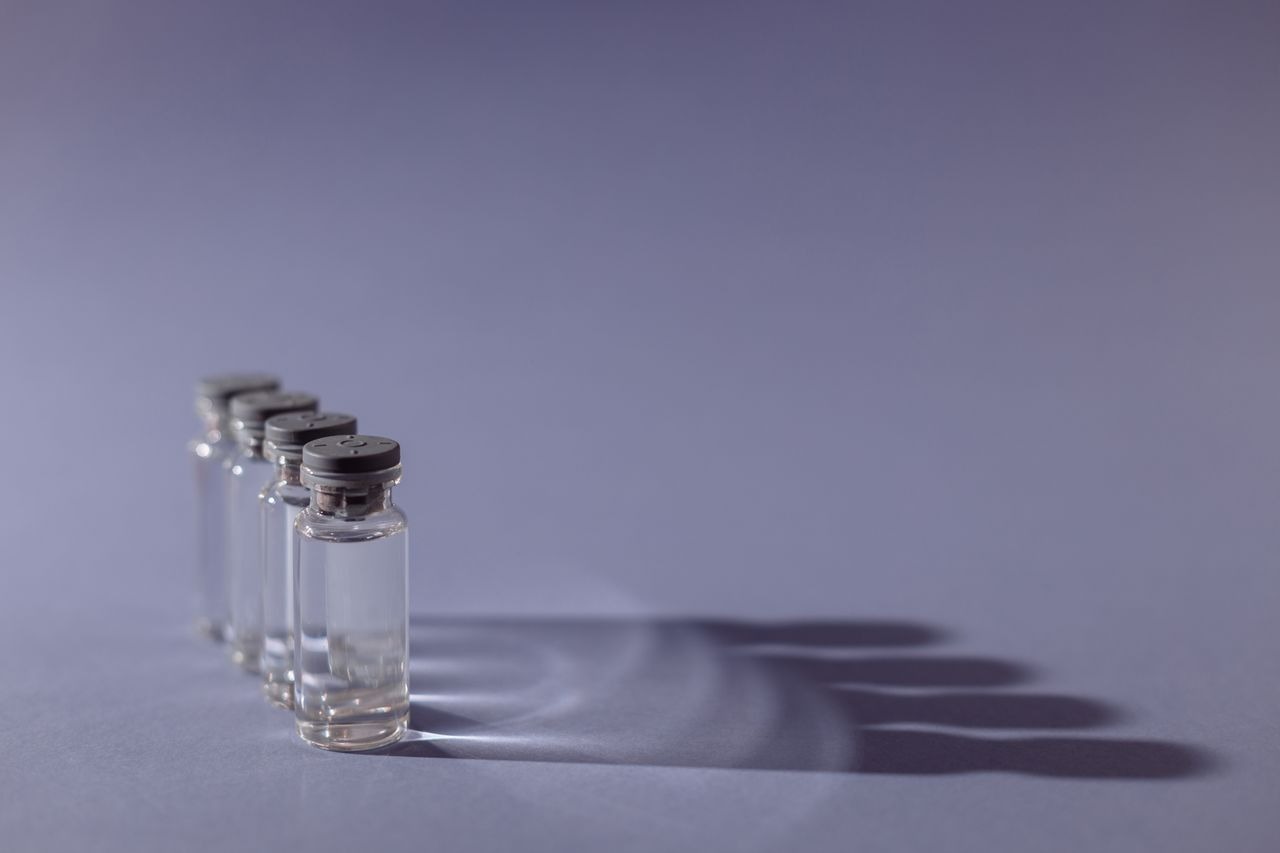
You carefully researched your peptide, ordered from a trusted source, and followed the mixing instructions exactly. But once that vial is reconstituted, the clock starts ticking. Suddenly, storage conditions, handling habits, and even simple organization can influence how well your peptides hold up over time.
Keeping your peptide vials potent doesn't require a laboratory setup or advanced scientific knowledge. A few smart habits can go a long way toward preserving quality from the day you mix your vial until the very last dose.
Whether you're new to peptides or have been using them for years, understanding how to store and monitor them properly can help you avoid unnecessary waste and uncertainty. Take a closer look at what happens after mixing and how to keep your peptides in the best possible condition.
Before reconstitution, most peptides are stored in a freeze-dried state known as lyophilized powder. In this state, they tend to remain stable for much longer periods when stored properly. Once bacteriostatic water or another diluent is added, the environment changes.
Moisture, temperature fluctuations, and contamination become much bigger concerns after mixing. That's why staying organized is just as important as proper storage. Many users rely on peptide trackers to record mix dates, monitor storage timelines, and keep track of dosing schedules.
Having a reliable system helps eliminate guesswork and ensures you're not relying on memory alone weeks later. Think of reconstitution as the starting line, not the finish line. The steps you take afterward play a major role in maintaining peptide quality.
Even high-quality peptides can lose their effectiveness sooner than expected when they're not stored or handled properly. Understanding these mistakes can help you protect your investment and keep your peptides in the best possible condition from the first dose to the last.
One of the most common mistakes is failing to document when a vial was reconstituted. While it may seem easy to remember today, multiple vials, busy schedules, and daily responsibilities can make those details surprisingly easy to lose track of. Without a clear record, it becomes difficult to know how long a peptide has been stored or whether it's still within its usage window.
Peptides generally perform best when stored at a consistent refrigerated temperature. Repeatedly leaving vials out on the counter, transporting them without proper cooling, or exposing them to frequent temperature changes can potentially affect stability over time.
Consistency is key. The fewer environmental changes your peptide experiences, the better its chances of maintaining quality from the first dose to the last.
Once a peptide vial has been mixed, it must be refrigerated. Most reconstituted peptides should be kept cold and stored according to the supplier’s instructions, usually in a consistent refrigerated environment.
The key word here is consistent. A vial that spends most of its life chilled but regularly takes little countertop vacations may not hold up as well over time.
It also helps to choose the right spot. The refrigerator door may seem convenient, but it often experiences more temperature swings than the back of a shelf. Instead, consider placing vials in a small storage box or container toward the interior of the fridge, where temperatures are more stable.
Light and heat are also worth avoiding. Keep vials away from direct sunlight, warm rooms, or hot cars. If you need to travel with peptides, use proper cooling and avoid leaving them unrefrigerated longer than necessary. A little preparation can save a lot of second-guessing later.
Peptides do not always announce that they have lost quality with a dramatic costume change. Still, there are a few warning signs worth watching for. If a mixed vial becomes cloudy, changes color, develops floating particles, or looks different from how it did after reconstitution, it is best to stop and check the product guidance before using it.
Appearance alone is not a perfect measuring stick. A peptide can appear normal even when outside its recommended storage window. This is why tracking matters so much. Knowing the mix date, how the vial was stored, and how long it has been in use gives you a clearer picture than a glance ever could.
Keeping peptide vials potent from mix date to last dose is less about doing something complicated and more about doing the simple things consistently.
Above all else, treat each vial like something worth protecting. With the right storage habits and a reliable tracking system, you can reduce waste, stay organized, and feel more confident every time you reach for your next dose.
 Supriyo Khan
 Supriyo Khan
 Supriyo Khan
 Supriyo Khan

Want to add a comment?