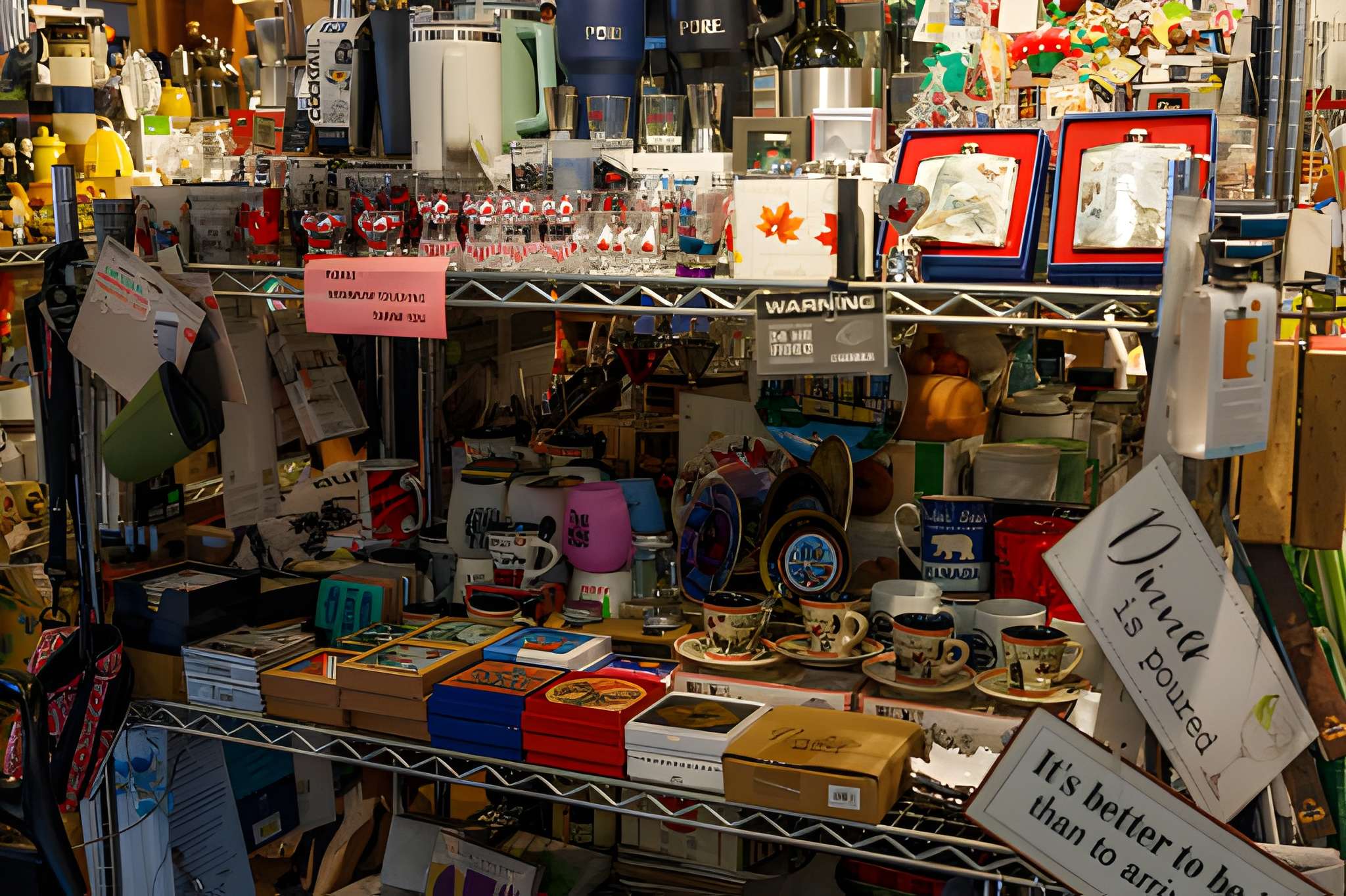
Across Scotland and within Scottish communities worldwide, the idea of a Scottish gift shop represents far more than a place to purchase mementoes. At its best, it serves as a quiet cultural guardian, preserving traditions through the everyday objects people choose to bring home, wear, or pass on to their children. These shops become entry points to hundreds of years of artistry, storytelling, and clan identity. Scottish material culture has always been rich with symbolism. Even the smallest item can be traced back to medieval craft traditions, early clan societies, or regional folklore. Many designs encountered today—such as Celtic knotwork, clan mottos, heraldic animals, and sacred plants—originated in manuscripts, stone carvings, and battle standards. Over generations, they evolved into a visual vocabulary reflecting loyalty, ancestry, landscape, and shared memory. The modern Scottish gift shop functions as a bridge between this ancient language and contemporary life. For visitors and descendants of the diaspora alike, these objects offer a touchpoint to an older world that shaped their family stories. Among the most recognised cultural items are clan-related designs. These motifs once appeared on seals, armour, and official documents, identifying families in both peace and conflict. Each crest or motto embodies a specific narrative: While today they are often worn as jewellery or displayed in homes, their deeper purpose remains the same—to honour lineage and to safeguard stories once preserved only through oral tradition. When crafted with attention to heraldic sources, these pieces become more than decorative objects. They become miniature vessels of heritage. Scotland’s long-standing craft heritage includes metalwork, weaving, carving, engraving, and mapmaking. Many artisans continue these methods with tools and processes that echo those of earlier centuries. This continuity matters. It keeps alive not only the appearance of the motifs but the knowledge behind them—the proportions of a crest, the correct rendering of a heraldic animal, the symbolism carried in knotwork patterns. A historically grounded scottish gift shop often functions as a small cultural archive, maintaining craft techniques that might otherwise fade. Millions of people worldwide trace part of their ancestry to Scotland. For them, such shops are more than retail spaces. They are cultural ambassadors. Whether found in Edinburgh, Nova Scotia, the Pacific Northwest, or New Zealand, they help preserve a shared identity shaped by migration, storytelling, and tradition. They also provide a setting where people can reconnect with the symbols that once defined their families’ place within Scottish society. Perhaps the most compelling role of the Scottish gift shop is its ability to transform simple objects into storytellers. A brooch becomes a reminder of ancestral soil. Through such items, the deeper layers of Scottish identity continue to circulate—not only in museums or history books but in daily life.Objects That Carry Scotland’s Past Into the Present
Clan Identity and the Meaning Behind Its Symbols
• a legendary ancestor
• an event that shaped the clan
• a natural symbol connected to their historic homelandCraft Traditions Passed Through Generations
Why These Shops Matter to the Global Scottish Community
Heritage Preserved in Everyday Form
A clan crest becomes a thread connecting the present with a past nearly forgotten.
A piece of knotwork becomes a reflection of unity without beginning or end.
 Supriyo Khan
 Supriyo Khan
 Supriyo Khan
 Supriyo Khan
Want to add a comment?