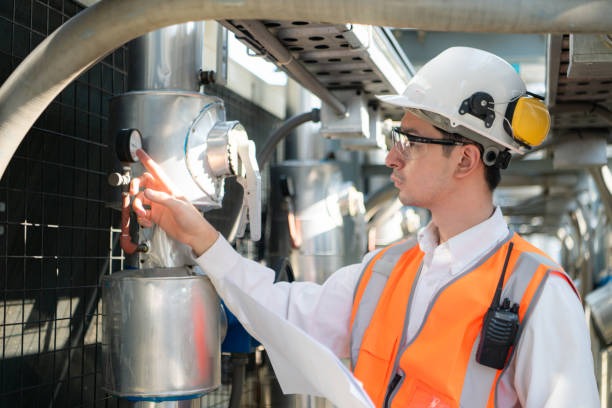
Many homeowners assume that if a system turns on and off, it is functioning properly. In reality, internal wear and gradual changes often go unnoticed until performance drops or a failure occurs. Inspections focus on identifying early signs of stress before they affect reliability. This proactive approach reduces surprises and supports dependable operation throughout the year.
Homeowners who work with Nardco Heating & Air Conditioning often discover that understanding the fundamentals of Residential HVAC and Plumbing systems helps them appreciate how inspections contribute to long-term reliability and fewer unexpected disruptions.
Reliability ensures that heating and cooling systems respond when needed. Inconsistent operation leads to uneven temperatures and discomfort.
When systems are reliable, homeowners can trust them during peak seasons. This trust reduces stress and allows households to focus on daily life rather than system concerns.
Dependability supports peace of mind.
Most system failures are not sudden events. They develop gradually as components loosen, wear down, or fall out of calibration.
Inspections identify these changes early. Addressing minor issues prevents them from escalating into breakdowns that interrupt comfort.
Early detection prevents disruption.
Internal components experience constant motion and temperature changes. Over time, belts, motors, and electrical connections degrade.
Regular inspections reveal this wear while it is still manageable. Replacing or adjusting parts early maintains overall system reliability.
Wear is easier to manage early.
Airflow problems often stem from overlooked issues such as blockages or imbalanced components.
Inspections help ensure airflow paths remain clear and balanced. Consistent airflow supports even temperatures across rooms.
Balanced airflow improves comfort.
When one part of a system struggles, others compensate. This added strain accelerates wear across the system.
Inspections help identify and correct these imbalances. Reducing strain supports smoother operation and longer component life.
Balanced systems last longer.
Delayed or inconsistent responses to thermostat changes often indicate underlying issues.
Inspections verify that sensors and controls communicate correctly. Accurate responses improve comfort and reliability.
Responsiveness reflects system health.
Unusual noises are common indicators of developing problems. Rattling or buzzing often points to loose components.
Inspections catch these issues early. Quiet operation is a sign of reliable performance.
Silence supports confidence.
Heating and cooling demands change with the seasons. Systems must adapt smoothly to these shifts.
Inspections prepare systems for upcoming demands. Prepared systems transition more reliably between heating and cooling cycles.
Preparation improves adaptability.
Minor leaks or pressure imbalances often go unnoticed but affect system reliability.
Routine checks help identify these subtle issues. Addressing them early prevents broader system stress.
Small fixes protect performance.
Reliable systems operate more efficiently. When components work as intended, energy use remains consistent.
Inspections support efficiency by maintaining proper calibration. Efficient systems deliver comfort without unnecessary strain.
Efficiency and reliability go together.
Extreme temperatures test system reliability. Weak components often fail under stress.
Inspections strengthen vulnerable areas before severe conditions occur. Prepared systems perform better during extreme weather.
Preparation reduces risk.
Understanding what systems can and cannot do helps homeowners avoid misinterpretation.
Basic awareness of Residential HVAC and Plumbing systems allows homeowners to distinguish normal operation from warning signs.
Awareness improves judgment.
Some reliability issues are not visible or audible. Professional inspections assess internal performance and safety.
Midway through reliability focused maintenance, Nardco Heating & Air Conditioning provides expert evaluation to identify issues that could affect system dependability.
Professional insight strengthens outcomes.
Unexpected failures often lead to emergency service needs. These situations are disruptive and stressful.
Regular inspections reduce the likelihood of emergencies. Reliable systems require fewer urgent interventions.
Prevention supports stability.
Heating and cooling systems interact with electrical and structural components. Failures can affect surrounding systems.
Inspections help ensure safe operation. Reliable systems reduce risk to connected components.
Reliability supports whole home protection.
Reliable systems maintain steady circulation. Interruptions reduce comfort and air freshness.
Inspections help maintain continuous operation. Consistent circulation supports healthier indoor environments.
Continuity improves livability.
Knowing system condition helps homeowners plan for future needs. Inspections provide insight into remaining service life.
Informed planning reduces uncertainty and supports better budgeting decisions.
Information supports preparation.
Regular inspections encourage homeowners to stay engaged with system care.
Understanding reliability factors builds confidence and reduces anxiety about unexpected issues.
Engagement supports better outcomes.
Small issues addressed early cost less than major failures. Inspections keep repair needs manageable.
Proactive attention supports predictable maintenance costs over time.
Predictability reduces stress.
Reliable systems create stable environments where comfort is consistent.
Homes feel more livable when heating and cooling operate dependably without interruption.
Stability enhances satisfaction.
Over time, inspection based care compounds benefits. Systems last longer and perform more consistently.
Rather than reacting to breakdowns, homeowners maintain control through awareness.
Proactive care builds confidence.
Reliability is the result of consistent attention and informed maintenance.
With support from Nardco Heating & Air Conditioning, homeowners can approach Residential HVAC and Plumbing systems with a focus on inspections that improve reliability. Thoughtful evaluation helps ensure steady performance, fewer disruptions, and dependable comfort throughout the year.
Regular system inspections are crucial for maintaining the efficiency and longevity of your heating and cooling systems. By identifying potential issues early, you can prevent costly repairs and ensure your system operates at peak performance. Moreover, routine checks can enhance energy efficiency, leading to lower utility bills and a reduced environmental footprint. For those interested in learning more about the benefits of regular maintenance and how it can improve system reliability, click to read further insights and expert advice. This proactive approach not only safeguards your investment but also provides peace of mind, knowing that your home will remain comfortable throughout the year. Supriyo Khan
 Supriyo Khan
 Supriyo Khan
 Supriyo Khan

Want to add a comment?