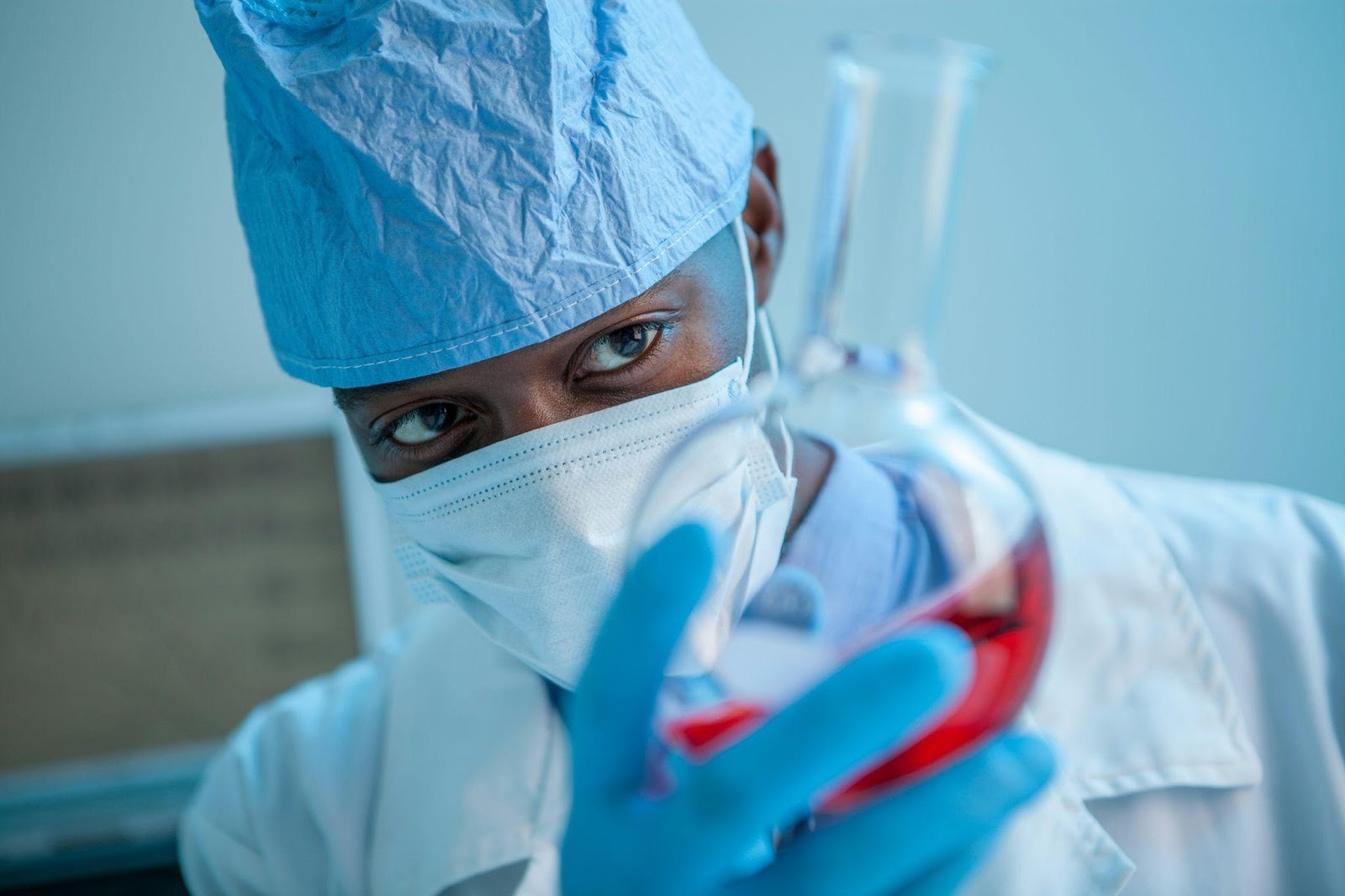
Medicine has a purity problem. Not in the moral sense. In the practical sense. Our bodies are messy. They contain thousands of cell types all jumbled together. Studying disease in this chaos is hard. Treating it is even harder. How do you find the one bad actor in a crowd of millions? How do you isolate the exact cell you need for a therapy?
The answer lies in a powerful technology. Cell sorting separates the signal from the noise. It picks out the needles in the cellular haystack. This capability is transforming medical research. It is creating new therapies. It is changing lives.
Imagine a crowd of a million people. You need to find the one wearing a red hat. Impossible for a human. Trivial for a smart system. Cell sorting works on the same principle. It identifies cells based on unique markers. It then plucks them from the mix.
This is the job of a single cell sorter. It uses lasers and sensors to detect specific features. It can spot a rare cancer cell in a blood sample. It can isolate a stem cell from a tissue biopsy. It does this gently and quickly. The precision is breathtaking.
Cancer treatment has been revolutionized. Immunotherapy is the reason. These therapies train a patient's own immune system to fight tumors. They often use T-cells. These are specialized soldiers. But not all T-cells are equal. Some are better at attacking cancer than others.
A single cell sorter identifies the best candidates. It picks the most potent tumor-killers. These cells are then multiplied and infused back into the patient. This personalized approach is saving lives. It works when everything else fails. None of it would be possible without sorting.
Blood cancers are particularly tricky. They involve many different cell types. Some are malignant. Others are just reacting to the disease. Traditional analysis blurred this distinction. Single-cell sorting changed everything.
Researchers can now isolate leukemic cells from a blood sample. They can study their genetics in detail. They can see which mutations drive the disease. This reveals new drug targets. It also helps track how the cancer evolves. If a patient relapses, doctors can compare the new cells to the old ones. They see what changed. They adjust treatment accordingly.
Vaccines work by training immune cells. They teach B-cells to make antibodies. They instruct T-cells to recognize threats. Understanding this process requires studying individual cells. A single cell sorter isolates antibody-producing B-cells after vaccination. Researchers can then sequence their genes. They can identify the most potent antibodies.
This accelerated COVID-19 vaccine development. It is now being applied to other diseases. HIV, influenza, and even cancer vaccines benefit from this approach. The technology finds the immune system's best responses. It then helps us replicate them.
Some of the most important cells are also the rarest. Circulating tumor cells in blood are incredibly scarce. So are certain stem cell populations. Finding them is like searching for a specific grain of sand on a beach. Bulk methods cannot do it. A single cell sorter excels at this hunt. It screens millions of cells rapidly. It flags the rare ones based on unique markers.
This capability is critical for early cancer detection. It also helps monitor minimal residual disease. Doctors can spot a few remaining cancer cells after treatment. They can intervene before a full relapse occurs.
Stem cells hold immense promise. They can repair damaged tissue. They can regenerate organs. But they must be pure. Contaminating cells can cause problems. They might form unwanted tissue. They could even become cancerous. Sorting ensures stem cell populations are clean.
A single cell sorter isolates the true stem cells. It removes differentiated cells and debris. This purity is essential for safe therapies. It gives regulators confidence. It protects patients. It makes regenerative medicine possible.
Autoimmune diseases are confusing. The body attacks itself. But which cells are the aggressors? Sorting provides answers. Researchers can isolate immune cells from patients with rheumatoid arthritis or lupus. They can compare them to healthy controls. They identify the specific cell subtypes driving the damage.
This reveals new therapeutic targets. Drugs can then be designed to eliminate or calm these bad actors. Treatment becomes more precise. Side effects decrease.
The ultimate goal is true personalization. Every patient's disease is unique. Their cellular makeup is different. Cell sorting enables a tailored approach. A biopsy is taken. A single cell sorter profiles the cells.
Doctors see the exact composition of the tumor or inflamed tissue. They select therapies based on this real-time data. Treatment becomes a custom fit, not an off-the-rack guess. This is the promise of precision medicine. Sorting is the tool that delivers it.
Cell sorting may work behind the scenes. It rarely makes headlines. But its impact is profound. It isolates the cells that cure cancer. It finds the rare threats hiding in blood. It builds the foundation for regenerative medicine. Every time a new therapy succeeds, sorting probably played a role. It is the quiet hero of modern medical research. And its best days are still ahead.
 Supriyo Khan
 Supriyo Khan
 Supriyo Khan
 Supriyo Khan
Want to add a comment?