Corporate leadership has always carried a certain level of risk, but the modern threat landscape has completely shifted. Today, corporate leaders, board members, and their families face rapidly escalating physical and reputational risks that extend far beyond the boardroom.
This reality places high-profile individuals in a difficult dilemma. Executives clearly need robust personal security, but they actively avoid the public spectacle, loss of privacy, and unwanted attention caused by traditional "bodyguards." Surrounding yourself with a highly visible entourage often creates the exact kind of disruption a leader is trying to avoid.
The future of executive security lies in "shadow protection." This intelligence-led, invisible shield prioritizes normalcy and discretion above all else. By shifting the focus from visible muscle to proactive intelligence, leaders can safely navigate their lives without feeling like they live in a fishbowl.
Executive threats have evolved, requiring proactive intelligence rather than just reactive physical force.
Shadow protection is a highly discreet security model that operates in the background, eliminating public spectacle and preserving privacy.
True risk mitigation must be holistic, addressing physical, reputational, and invisible threats across professional and private spaces.
Elite security programs rely on advance site surveys, specialized threat screening, and professionals with elite military or law enforcement backgrounds.
When most people hear the phrase "executive protection," they immediately picture a heavy-handed entourage of imposing guards in dark suits. That highly visible approach might suit a celebrity looking to command media attention, but it actively works against a modern corporate leader. Traditional "muscle" draws eyes, fuels rumors, and completely disrupts a family's daily routine.
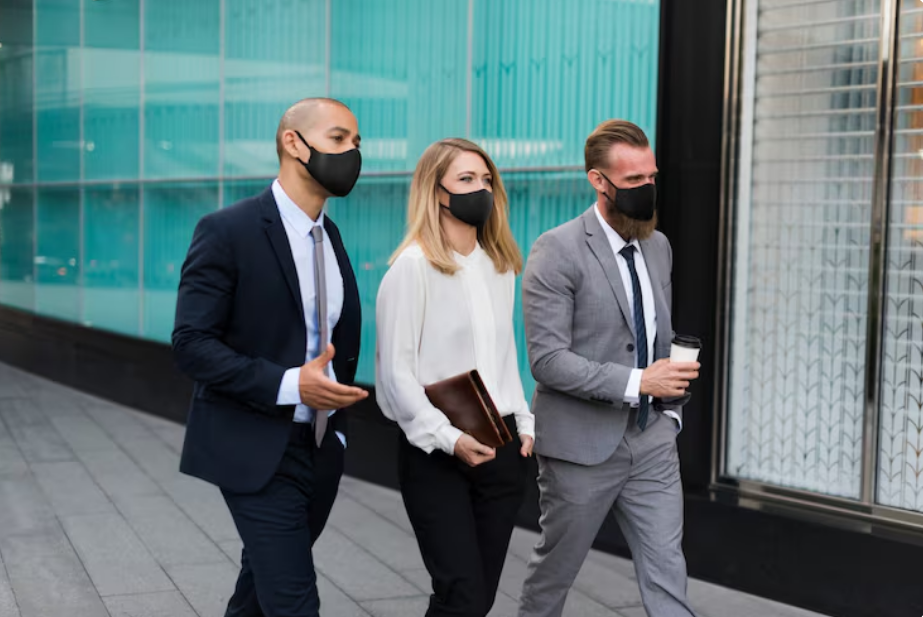
Shadow protection is the exact opposite. It relies on elite security personnel blending seamlessly into the client's environment. A shadow protection specialist might look like a chief of staff, a corporate colleague, or simply another guest at a private event. They maintain a close enough proximity to intervene if necessary, but stay far enough away to let the executive breathe.
Modern leaders require a security presence that operates quietly in the background, identifying and neutralizing threats without drawing public attention. Because of this need for absolute privacy, modern leaders are increasingly turning to specialized executive protection security services that prioritize proactive risk mitigation over reactive force.
The primary benefit of this discreet methodology is freedom. VIPs can navigate their daily lives, attend corporate functions, and enjoy personal time with their families with absolute normalcy. They receive the highest tier of personal protection without ever looking like a target.
A reactive security model waits for an attacker to make a move before intervening. In a world where physical alterations are instantly recorded on smartphones and uploaded to social media, waiting is a losing strategy. Anticipating and neutralizing threats through intelligence is vastly superior to waiting to physically react to them.
Modern protective programs are built on a foundation of 24/7 protective intelligence. Analysts actively monitor open-source data, social media chatter, and the dark web for emerging threats. This allows the security team to identify bad actors long before they ever get close to the principal.
"The traditional approach to executive security—waiting until a specific threat materializes—is no longer viable... Modern threat actors range from disgruntled employees and activist groups to foreign adversaries," according to industry experts.
Advance site surveys are another critical component of this proactive shift. Before an executive ever arrives at a restaurant, hotel, or conference center, the advance team has already scouted the location. They map primary and secondary exit routes, identify the nearest trauma centers, and coordinate with local management to secure back entrances.
This meticulous advance scouting ensures the environment is strictly controlled before the executive steps out of their vehicle. By identifying vulnerabilities early, the team drastically reduces the opportunity for a physical incident to occur.
Preventing an incident entirely does more than just protect an executive's physical safety. It also protects a leader's highly valuable corporate and personal reputation. In the corporate world, an embarrassing public scuffle can tank stock prices and damage board confidence just as quickly as a financial scandal.
Executive risks extend far beyond public spaces and corporate headquarters. Today's modern threats follow leaders home. A robust security program must secure private residences and protect family members, but it must do so without making the home feel like a militarized fortress.
Families need a sanctuary where they can relax. Elite security teams achieve this through invisible perimeter security. They use advanced cameras, motion sensors, and remote monitoring to secure the property line, keeping physical security personnel out of the family's immediate living space.
Security teams must also address the rapid rise of "invisible" vulnerabilities. Physical mail and package deliveries are frequently used by threat actors to target executives in the perceived safety of their homes.
Comprehensive risk mitigation requires specialized screening to counter these multifaceted risks seamlessly. Off-site mail screening facilities use advanced X-ray and chemical sniffing technology to intercept dangerous packages before they ever reach the executive's front door.
Securing invisible vulnerabilities also means protecting communication channels. Teams must conduct regular sweeps for electronic eavesdropping devices in home offices and vehicles. By taking a holistic approach, a security program effectively locks down both the physical and digital perimeters without disrupting the executive's peace of mind.
Building a world-class protection detail requires far more than just hiring someone to stand by a door. If you are looking to hire an elite executive protection team, you need a provider that can deliver a 360-degree approach to personal safety.
A comprehensive program should include several essential services working in tandem. This includes ongoing threat assessments, dynamic surveillance and counter-surveillance, holistic estate security, and secure executive transportation. Secure transportation often involves armored vehicles driven by trained security chauffeurs who specialize in evasive driving and route planning.
The quality of the personnel executing these services makes all the difference. It is vital to hire professionals with elite backgrounds in the military or specialized law enforcement. These individuals are continuously trained to handle high-stress situations with precision and discretion, relying on de-escalation tactics rather than brute force.
Perhaps the most important component of an elite program is customization. Security should adapt to the executive's lifestyle, not the other way around.
If a CEO wants to take a morning jog through a public park, a traditional bodyguard might tell them it's too dangerous. A shadow protection team figures out how to make that jog safe invisibly. They might run parallel routes, monitor the path ahead, and ensure medical support is nearby, allowing the executive to live their life freely.
True executive protection today relies entirely on protective intelligence and absolute discretion, not a highly visible show of force. The landscape of corporate risk has changed, and the tools we use to protect our leaders must evolve alongside it.
Comprehensively mitigating modern physical and reputational risks does not mean you have to sacrifice a normal, private life. By implementing invisible perimeters, securing communication channels, and relying on advance planning, executives can protect their families and their brand simultaneously.
Risk-aware corporate leaders must stop relying on outdated, reactive security models. Upgrading to an intelligence-led, shadow protection approach empowers you to take control of your personal security quietly and effectively. You deserve the peace of mind to focus on leading your organization, knowing that your safety is being handled with absolute precision in the background.
 Supriyo Khan
 Supriyo Khan
 Supriyo Khan
 Supriyo Khan

Want to add a comment?