Understanding Auto Body & Customization: Standard vs. Custom Shops
When your vehicle needs attention, understanding the nuances between different types of auto body and customization shops is crucial. While both aim to improve your vehicle, their primary focuses, expertise, and service offerings can vary significantly.
A standard auto body shop, often referred to as a collision repair center, primarily focuses on restoring a vehicle to its pre-accident condition. This involves addressing structural integrity, repairing damage from collisions, and ensuring the vehicle meets safety standards. Custom shops, on the other hand, venture beyond repair, specializing in aesthetic upgrades, performance tuning, and unique modifications that personalize a vehicle to an owner's specific vision. They often employ techniques like custom fabrication and advanced aesthetic treatments. Even within these categories, some shops excel in specialized services like paintless dent repair, which can offer an affordable dent repair cost for minor imperfections without compromising the original paint finish.
Collision Repair vs. Custom Auto Body & Customization
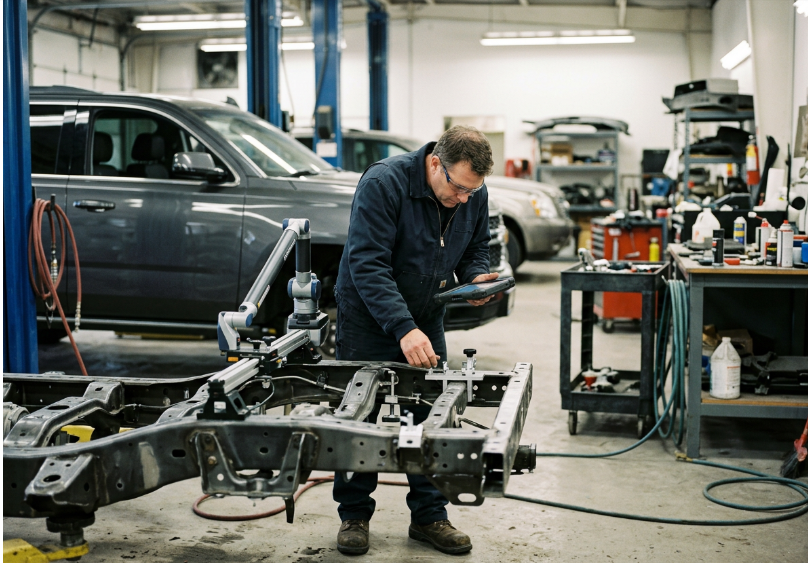
The fundamental difference lies in their mission. A collision repair shop's core function is to reverse the effects of an accident. This often involves intricate work such as frame straightening, where specialized equipment is used to bring a vehicle's chassis back to factory specifications. They are adept at replacing damaged body panels, ensuring precise alignment, and often work extensively with insurance claims to facilitate repairs using Original Equipment Manufacturer (OEM) parts or approved aftermarket alternatives. Welding, panel beating, and meticulous reassembly are everyday tasks in these environments, all geared towards restoring the vehicle's safety and structural integrity.
Custom auto body and customization shops, while often capable of performing collision repair, thrive on transforming vehicles. Their work might involve custom metal fabrication to create unique body kits, wide-body conversions, or bespoke interior elements. The focus shifts from merely repairing damage to enhancing the vehicle's appearance, performance, or functionality beyond its original design. This can range from subtle aesthetic tweaks to complete overhauls, where imagination is often the only limit.
The Rise of Specialized Auto Body & Customization Services
The automotive industry, particularly in the customization sector, has seen remarkable growth. As of July 2026, the automotive customization market, encompassing services like paint protection film, ceramic coatings, and vinyl wraps, is projected to continue its robust growth. This trend reflects a growing consumer desire for vehicle personalization and protection.
Many shops now offer a blend of traditional repair and specialized customization services. This includes a wide array of options designed to protect and enhance a vehicle's appearance:
Vinyl Wraps: A popular choice for a complete color change or custom graphics, offering protection to the original paint and full reversibility.
Ceramic Coatings: These provide a durable, long-lasting protective layer over the paint, offering superior gloss, hydrophobicity, and resistance to environmental contaminants.
Paint Protection Film (PPF): A transparent, self-healing film applied to high-impact areas to protect against stone chips, scratches, and abrasions.
Window Tinting: Enhances privacy, reduces interior heat, and protects against UV rays.
Custom Graphics: From subtle decals to elaborate designs, graphics allow for unique artistic expression.
Suspension and Lift Kits: These modifications can alter a vehicle's stance, improve off-road capability, or enhance its aesthetic appeal.
This evolution means that whether you're recovering from an accident or dreaming of a one-of-a-kind ride, there's a specialized shop ready to meet your needs.
Advanced Paint Restoration and Custom Refinishing Techniques
The paint finish of a vehicle is its first impression – a shield against the elements and a canvas for personal expression. Advanced paint restoration and custom refinishing techniques go far beyond simple touch-ups, transforming a vehicle's appearance and protecting its surface for years to come.

In July 2026, the technology behind automotive paint and its application is more sophisticated than ever. Shops utilize specialized spray booths that control temperature and humidity, ensuring a flawless finish. Techniques like paint correction remove imperfections such as swirl marks and scratches, restoring the paint's original luster. For those seeking a truly unique look, custom options like candy paint, which offers deep, vibrant, and translucent colors, or intricate pinstriping, a 1950s-style freehand technique, can turn a vehicle into a work of art. Many reputable shops stand by their work, offering a limited lifetime warranty on the paint, particularly when using high-quality products like PPG Paints. For those interested in exploring the vast possibilities of automotive aesthetics, delving into Superior custom auto paint options reveals a world of color and finish choices.
The Science of Precision Color Matching in Auto Body & Customization
One of the most challenging aspects of auto body repair, especially after a collision, is achieving a seamless color match. Even a slight variation can be noticeable and detract from the vehicle's aesthetic. Modern shops employ advanced technology and skilled technicians to ensure precision.
The process typically begins with a spectrophotometer, a device that reads the existing paint color by analyzing its spectral data. This data is then compared against a vast database of factory paint codes, allowing technicians to formulate a precise match. However, paint matching is more than just science; it's an art. Factors like the vehicle's age, sun exposure, and environmental wear can cause the original paint to subtly shift in shade. Technicians often use paint blending techniques, extending the new paint into adjacent panels, to create an imperceptible transition.
For custom finishes, the complexity increases. Metallic finishes, with their sparkling effect, and pearl effects, which shift color depending on the viewing angle, require meticulous application. Multi-tone paint jobs, involving several colors or intricate designs, demand expert planning and execution to achieve a cohesive and stunning result. Companies like Sherwin-Williams FormulaExpress 2.0 offer advanced systems for custom color mixing, ensuring accuracy and consistency.
Paintless Dent Repair (PDR) vs. Traditional Paint Refinishing
When it comes to minor dents and dings, vehicle owners often face a choice between Paintless Dent Repair (PDR) and traditional paint refinishing. The global PDR market is projected to reach $4.8 billion by 2027, highlighting its growing popularity.
Paintless Dent Repair (PDR) is a specialized technique that removes dents and dings from a vehicle's body without disturbing the original factory paint finish. This is achieved by carefully massaging the metal from the backside of the panel using specialized tools. PDR is ideal for hail damage, door dings, and other minor indentations where the paint has not been cracked or chipped.
Benefits of PDR:Original Paint Preservation: Maintains the factory finish, which is crucial for a vehicle's resale value.
Cost-Effectiveness: Generally less expensive than traditional methods as it avoids the need for sanding, filling, and repainting.
Faster Turnaround Time: Many PDR repairs can be completed in a few hours or a single day.
Eco-Friendly: Uses no harsh chemicals or paints.
Traditional Paint Refinishing, on the other hand, involves sanding down the damaged area, applying body filler, priming, painting, and then clear-coating the panel. This method is necessary for more severe damage, dents with cracked paint, deep scratches, or when body panels need to be replaced. While effective for extensive damage, it is a more labor-intensive and time-consuming process, and meticulous color matching is required to avoid noticeable differences.
Choosing between PDR and traditional methods depends on the severity and nature of the damage. For minor imperfections where the paint is intact, PDR is often the preferred, more efficient, and more economical solution.
Elevating the Cabin: Premium Audio and Interior Upgrades
Beyond the exterior, the interior of your vehicle is where you spend your time, making comfort, aesthetics, and entertainment crucial elements of the driving experience. Premium audio and interior upgrades transform a standard cabin into a personalized sanctuary or a high-tech command center.

The customization market extends deeply into vehicle interiors, offering a vast array of enhancements. This includes everything from luxurious upholstery repair and custom dashboards tailored to specific tastes, to advanced sound dampening solutions that create an acoustically optimized environment. Some even opt for exotic features like starlight headliners, mimicking a starry night sky. For motorcycle enthusiasts, specialized services like Harley audio customization can dramatically improve the riding experience with powerful, weather-resistant sound systems. Similarly, marine audio and RV interior mods cater to the unique needs of those specific vehicle types, ensuring quality sound and comfort on the road or water.
High-Fidelity Sound Systems and Custom Enclosures
A vehicle's audio system is often a primary target for upgrades. Factory sound systems, while adequate, rarely deliver the immersive, high-fidelity experience that audiophiles crave. Upgrading to a premium audio system involves more than just swapping out speakers; it's about creating a harmonious acoustic environment.
Subwoofers: Essential for deep, resonant bass, subwoofers are often housed in custom enclosures designed to optimize sound quality and fit seamlessly into the vehicle's interior, whether in the trunk, under seats, or integrated into side panels.
Amplifiers: These boost the audio signal, providing cleaner, more powerful sound to the speakers and subwoofers, preventing distortion at higher volumes.
Digital Sound Processors (DSPs): DSPs allow for precise tuning of the audio system, correcting for the vehicle's unique acoustic challenges and enabling detailed control over equalization, time alignment, and crossover points.
Custom Speaker Pods and Fiberglass Fabrication: For optimal sound staging and aesthetics, custom speaker pods can be fabricated to position speakers in ideal locations, often using fiberglass to create bespoke, integrated designs that blend with the vehicle's interior.
The goal is not just louder sound, but clearer, more detailed, and balanced audio that brings music to life on the road.
Smart Cabin Technology and Comfort Upgrades
Modern vehicle customization also embraces technology and comfort, integrating features that enhance convenience, safety, and the overall driving experience.
Heated Seats: A popular comfort upgrade, especially in colder climates, heated seats provide warmth and can be integrated into existing upholstery.
Remote Start Systems: These allow drivers to start their vehicle from a distance, pre-heating or cooling the cabin before entry, a significant convenience in extreme weather.
Custom LED Ambient Lighting: Programmable LED lighting can transform the interior mood, offering a range of colors and effects that can be synchronized with music or set to personal preferences.
Integrated Infotainment Systems: Upgrading to larger, more advanced touchscreens with navigation, smartphone integration (Apple CarPlay, Android Auto), and other smart features enhances connectivity and entertainment.
Handicap Adaptive Driving Controls: For individuals with disabilities, specialized shops offer federally approved controls and modifications, such as hand controls, pedal extensions, and wheelchair lifts, to ensure safety and independence. This highly specialized area of customization requires expert knowledge and adherence to strict safety standards.
These upgrades not only improve the daily driving experience but can also add significant value and functionality to a vehicle, making it more enjoyable and tailored to the owner's lifestyle.
Navigating the Repair and Customization Process
Embarking on a major auto body repair or a significant customization project can seem daunting. However, understanding the typical process, from initial assessment to final delivery, can alleviate concerns and ensure a smooth experience. The U.S. auto body repair industry generates over $30 billion in annual revenue, with more than 35,000 shops operating nationwide, indicating a robust and competitive market.

A key factor in a positive experience is transparent communication and a clear understanding of each step. The process usually begins with an initial inspection, followed by an estimate and clear communication about transparent pricing. For collision repairs, insurance coordination is a significant part of the process. Reputable shops employ certified technicians, often holding I-CAR or ASE certifications, ensuring their expertise. Many also offer a limited lifetime warranty on their work, providing peace of mind.
How Shops Handle Insurance Claims and Estimates
For accident-related repairs, navigating insurance claims is a critical step. Auto body shops often have dedicated staff trained to work directly with insurance companies, streamlining the process for the customer.
Initial Estimate: After an accident, the shop will conduct an initial assessment and provide an estimate of the repair costs. This estimate details the parts, labor, and materials needed.
Deductibles: Customers are responsible for paying their insurance deductible directly to the shop.
Direct Repair Programs (DRPs): Many insurance companies have DRPs, which are networks of approved shops. While you have the right to choose any shop, DRP shops often have pre-negotiated rates and streamlined processes with insurers, which can sometimes expedite repairs.
Supplement Reports: During the repair process, hidden damage may be discovered. The shop will then submit a "supplement report" to the insurance company, detailing the additional necessary repairs and costs.
Photo Estimates: Some insurance companies or shops offer photo estimates, where you can submit photos of the damage for an initial assessment, though an in-person inspection is usually required for a final, accurate estimate.
Claimant Rights: It's important for vehicle owners to know their rights, including the right to choose their repair shop and to have their vehicle restored to its pre-accident condition using quality parts and workmanship.
A reputable shop will guide you through this process, ensuring all necessary documentation is handled and you understand the financial aspects of your repair.
What to Expect During Your Shop Visit
Whether for repair or customization, a typical shop visit follows a structured sequence:
Initial Inspection and Consultation: This is where you discuss your needs, whether it's collision repair or a custom project. The shop will assess the damage or discuss your customization vision, providing recommendations and a detailed estimate.
Disassembly and Damage Assessment: For repairs, the vehicle is often disassembled to uncover hidden damage. For customizations, this might involve removing existing components to prepare for new installations.
Structural Repair (if applicable): If the vehicle's frame or unibody is damaged, specialized equipment is used for frame straightening to restore its structural integrity.
Body Prep and Repair: This involves dent removal, panel replacement, body filler application, and meticulous sanding to prepare the surface for paint.
Paint Application (if applicable): The vehicle enters a controlled paint booth for priming, painting, and clear-coating, ensuring a durable and aesthetically pleasing finish.
Reassembly: All components, including trim, lights, and mechanical parts, are carefully reinstalled. For custom projects, new accessories, audio systems, or interior elements are integrated.
Final Quality Control Check: A thorough inspection is performed to ensure all repairs meet quality standards, paint matches, and all systems are functioning correctly. This includes test drives and detailed visual checks.
Pickup and Review: You'll be notified when your vehicle is ready. During pickup, the shop should walk you through the completed work and address any questions or concerns.
The duration of this process varies significantly based on the complexity of the work. A simple bumper repair might take a few days, while extensive collision repair or a full custom build could take several weeks or even months.
Frequently Asked Questions About Auto Body & Customization
As vehicle owners consider repairs or personalizations, several common questions arise. We aim to provide clear, concise answers to help you make informed decisions.
How long do typical auto body repairs and custom projects take?
The timeline for auto body repairs and customization projects can vary significantly based on several factors, primarily the complexity and severity of the work.
Paintless Dent Repair (PDR): Minor dents and dings can often be repaired within a few hours or a single day.
Bumper Repair: Depending on the damage, a bumper repair might take 1-3 days, especially if painting is involved.
Full Vehicle Wraps: A complete color change wrap typically requires 3-5 business days, while partial wraps might take 1-2 days.
Custom Paint Jobs: These are more labor-intensive, often requiring 5-7 days for preparation, painting, and curing. More intricate designs or multi-stage paints can take longer.
Collision Repair: Minor collision repairs might take a few days, but extensive damage requiring frame straightening, multiple panel replacements, and significant painting can easily extend to several weeks.
Customization Projects: Projects involving custom fabrication, engine modifications, or full interior overhauls can range from weeks to several months, depending on the scope and availability of specialized parts.
It's always best to get a detailed estimate from the shop, which should include an estimated timeline for your specific project.
What factors influence the overall cost of repairs and customizations?
The cost of auto body repairs and customizations is influenced by a multitude of factors, making it difficult to provide a one-size-fits-all answer.
Labor Rates: These vary by region and shop, reflecting the skill and experience of technicians.
Damage Severity/Project Scope: More extensive damage or complex customization naturally requires more labor and materials, increasing the cost.
OEM vs. Aftermarket Parts: Original Equipment Manufacturer (OEM) parts are typically more expensive but guarantee a perfect fit and quality. Aftermarket parts can be a more budget-friendly option, but quality can vary.
Material Quality: For paint, wraps, and interior materials, higher-quality products come with a higher price tag but often offer better durability and finish.
Custom Fabrication Requirements: Projects involving unique metalwork, fiberglass molding, or bespoke components will incur higher costs due to specialized labor and materials.
Paint Type: Standard paint jobs are less expensive than custom colors, metallic finishes, pearl effects, or multi-stage candy paints.
Technology Integration: Advanced audio systems, smart cabin tech, or adaptive driving controls involve the cost of specialized equipment and expert installation.
Most reputable shops offer free estimates, which is crucial for understanding the potential investment before committing to any work.
What types of warranties should I look for from a professional shop?
Warranties provide crucial peace of mind and are a strong indicator of a shop's confidence in its workmanship and materials. When choosing an auto body or customization shop, inquire about their warranty offerings.
Lifetime Paint Warranty: Many high-quality shops, especially those using premium paint systems like PPG, offer a limited lifetime warranty on their paintwork. This typically covers defects in materials and workmanship, such as fading, peeling, or cracking, for as long as you own the vehicle.
Labor Guarantees: A good shop will guarantee its labor for a specified period (e.g., 1-year, 5-year, or lifetime) against defects in the repair or installation process.
Manufacturer Parts Warranties: New parts installed during a repair or customization (e.g., new body panels, audio components, suspension kits) often come with their own manufacturer's warranty, which the shop should honor and facilitate if an issue arises.
Wrap Installation Warranties: For vehicle wraps, shops typically offer a labor warranty (e.g., 1-year) covering installation-related issues like bubbling or lifting, separate from the material manufacturer's warranty on the vinyl itself.
Always get warranty details in writing, understand what is covered (and what isn't), and know the process for making a claim if needed.
Conclusion
Our vehicles are integral to our daily lives, serving as more than just transportation. They are significant investments, personal statements, and often, extensions of our identities. The world of Auto Body & Customization offers a comprehensive suite of services designed to address every aspect of vehicle care, from restoring structural integrity after a collision to transforming a standard model into a unique, personalized masterpiece.
By understanding the distinctions between standard collision repair centers and specialized customization shops, vehicle owners can make informed decisions tailored to their specific needs. We've explored the intricate processes involved in advanced paint restoration, highlighting the science behind precision color matching and the benefits of innovative techniques like Paintless Dent Repair. Furthermore, we've delved into the exciting possibilities of elevating the cabin experience through premium audio and smart technology upgrades, emphasizing how these enhancements contribute to both comfort and driving pleasure.
Navigating the repair and customization journey, including managing insurance claims and understanding project timelines and costs, becomes less daunting with the right knowledge. Investing in professional auto body and customization services is an investment in your vehicle's longevity, safety, and aesthetic appeal. It ensures vehicle preservation, maintains resale value, and provides the satisfaction of personalized styling and professional craftsmanship, guaranteeing long-term durability and enjoyment for years to come.
 Supriyo Khan
 Supriyo Khan
 Supriyo Khan
 Supriyo Khan

Want to add a comment?