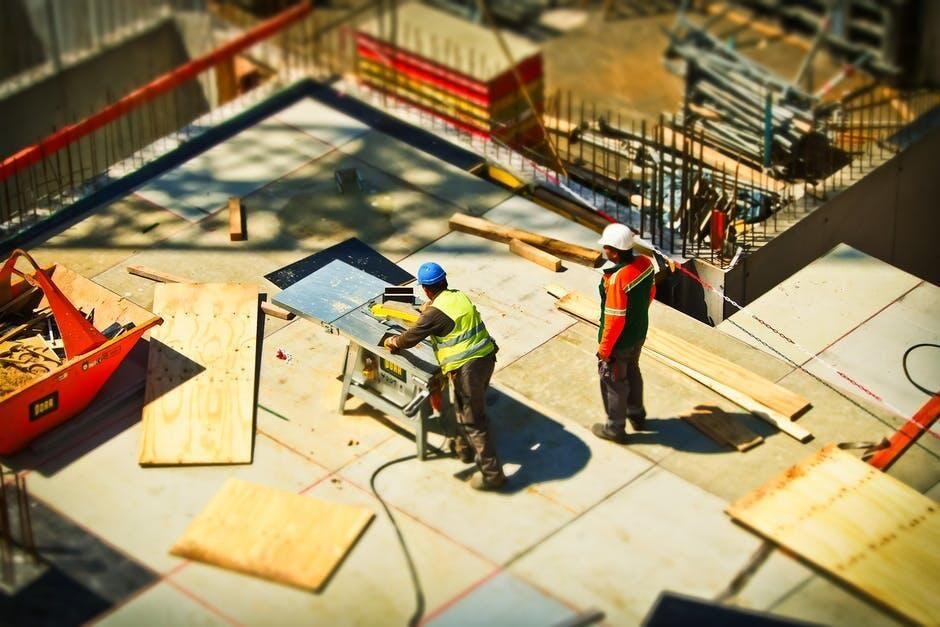
How do machines and systems work together to keep our world moving each day? Modern industry depends on precision engineering and advanced logistics to build roads, power cities, and deliver goods on time. These systems shape our essential infrastructure and support daily life in ways we often do not see.
From small parts to large networks, every detail matters in the process. This article explains how these ideas connect and why they matter for the future.
By reading on, you will gain a clear view of how modern industry works and how it keeps growing with new ideas today.
Precision engineering focuses on exact design and careful production. It uses measurements, testing, and smart tools to make parts that fit and last. Engineers plan each step so machines run safely and waste stays low.
This work supports bridges, factories, and transport systems used every day. Each part must work well with others to avoid delays and damage. Careful planning helps keep these systems strong and reliable.
Good design also improves safety for workers and users. It reduces errors and helps machines run in a steady way. Over time, this builds trust in the systems people depend on.
Advanced logistics moves materials and products through each stage of work. It plans routes, storage, and timing so goods arrive when needed. This keeps projects running without delays.
Teams track shipments and adjust plans when problems appear. Quick changes help avoid losses and keep work on schedule. Clear systems also help reduce waste and improve efficiency.
Together with engineering, logistics creates a smooth flow from design to delivery. It connects suppliers, builders, and users in one system. This strong link helps industry grow and adapt.
Modern industry depends on digital tools that track data in real time. Sensors watch machines and send signals when something changes. Teams can fix small issues before they grow into bigger problems.
This saves time, money, and energy across many projects. Clear plans and steady teamwork keep work sites safe and organized. Good communication helps teams avoid confusion and delays.
Companies often work with experienced construction professionals to guide complex builds. These experts help meet strict standards and support safe work practices. Their knowledge also helps reduce risks and improve results.
As cities grow, systems must handle more demand each year. Power grids, water lines, and roads need strong and flexible designs. Precision engineering helps upgrade old systems and build new ones that last longer.
Advanced logistics supports this work by keeping supplies moving on time. When both fields work well, projects finish within budget and schedule. This balance supports jobs and helps communities grow in a stable way.
New materials and better methods also improve how things are built. Clean energy systems depend on careful design and steady supply chains. With clear goals and strong safety rules, teams deliver reliable services people can trust.
In the end, modern industry shows how design and smart planning support daily life. Precision engineering and advanced logistics keep systems working well and help communities grow with less waste. When teams use clear data and strong safety rules, they build projects people can trust.
This approach also supports new ideas that improve energy use and protect the environment. By understanding these basics, you can see how each part connects and why it matters for the future.
Browse the rest of this section for more advice on a variety of topics.
 Supriyo Khan
 Supriyo Khan
 Supriyo Khan
 Supriyo Khan

Want to add a comment?