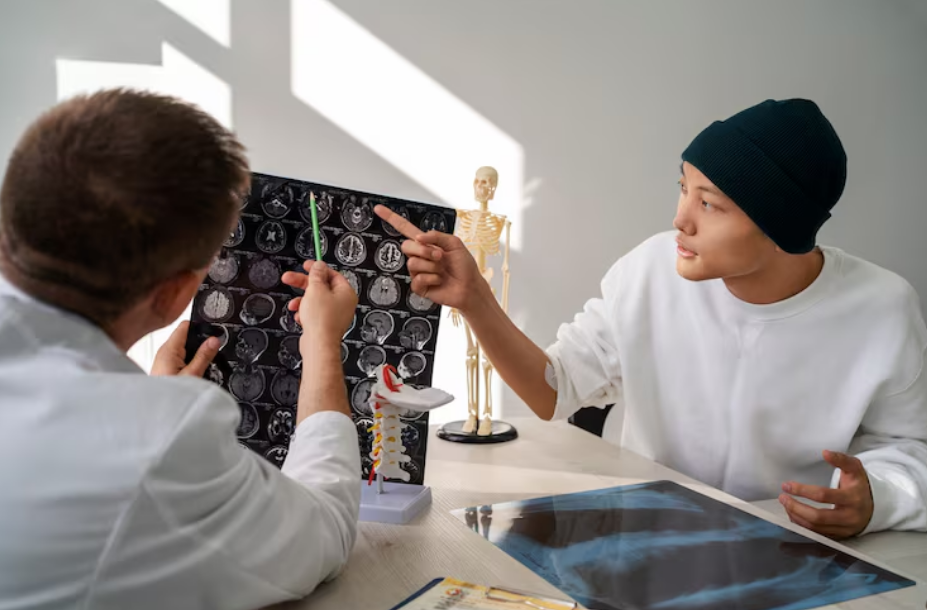
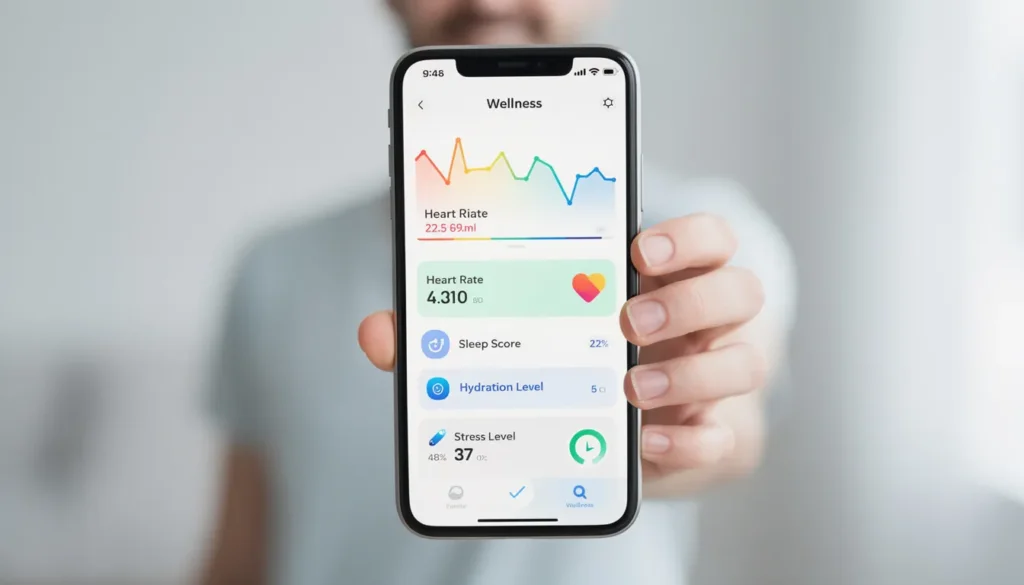
Custom neurorehabilitation programs significantly amplify recovery journeys, with studies revealing a 30% higher recovery rate compared to traditional therapies. Treatment plans that are tailored to individual needs promote better outcomes by fostering engagement and motivation among patients. No two brain injuries are identical, which highlights the importance of creating therapy plans that reflect personal factors like age and injury severity. Experts at the Centre for Neuro Skills conduct comprehensive assessments to develop effective and flexible treatment strategies. Groundbreaking techniques such as transcranial magnetic stimulation (TMS) and neurofeedback are reshaping brain injury rehabilitation, demonstrating notable cognitive improvements for patients within weeks. These innovative methods enhance neuroplasticity and engage users through interactive therapies. Technology is essential in personalized therapy, providing real-time insights into recovery metrics and facilitating adjustments based on patient data. Wearable devices and AI-driven analytics are making rehabilitation more targeted and responsive. Success stories from the Centre for Neuro Skills showcase the emotional and functional achievements made possible through personalized care, underlining that recovery goes beyond mere metrics; it profoundly affects clients' lives and well-being. Support networks, comprising family and peers, greatly boost recovery rates by alleviating isolation and offering emotional stability. Group sessions foster a sense of community, which nurtures resilience and shared understanding among clients. Continuing to engage in community activities post-rehabilitation amplifies recovery advantages and supports confidence and social interaction. Clients who stay active in their communities often discover purpose and reinforce the skills acquired during rehabilitation. Clients frequently find that personalized neurorehabilitation programs greatly improve their recovery experiences. Research demonstrates that individualized treatment plans can accelerate recovery. Why does this work so well? Experts agree that when therapies are customized to suit the unique needs of each individual, the outcomes are markedly positive. Recovery evolves from merely an objective into a collective mission, guided by a tailored framework. One study revealed that patients receiving personalized care enjoyed a recovery rate that was 30% higher than those undergoing standard rehabilitation protocols. Isn’t that fascinating? Each patient’s insights, preferences, and specific challenges shape every facet of their care. Increased motivation fostering personal accountability Better engagement during therapy sessions A flexible approach that adapts to changing needs Whether it’s physical therapy or cognitive rehabilitation, personalized plans provide the necessary flexibility to effectively achieve meaningful progress. When clients see their rehabilitation as uniquely tailored for them, they're much more likely to commit fully to the process. That's substantial. Recognizing that no two brain injuries are the same is vital. Numerous factors—like age, severity of injury, and pre-existing conditions—shape the type and intensity of therapy required. The professionals at the Centre for Neuro Skills are well-equipped to discern these variables. They perform thorough assessments to design therapy plans that truly work. This assessment stage can often reveal surprising insights. What if a patient excels in one area yet struggles in another? By concentrating on strengths while also addressing weaknesses, neurorehabilitation becomes more efficient. Patient histories provide a guiding roadmap for personalized care Cognitive evaluations pinpoint specific deficits Feedback mechanisms promote continual adjustments to therapy While traditional therapies still maintain their value, it’s the innovative techniques making waves in rehabilitation that truly capture attention. Non-invasive brain stimulation methods are turning the field on its head. Techniques like transcranial magnetic stimulation (TMS) and neurofeedback are effective in stimulating nerve activity and retraining brain functions. What role do these methods play in recovery? A study from a leading neurological institute found that patients using TMS showed considerable improvements in cognitive functions within just a few weeks. Sounds promising, doesn't it? Neuroplasticity training rewires the brain Virtual reality simulates real-life challenges Interactive software keeps clients actively engaged in their rehabilitation Imagine a client immersed in a VR experience that mimics real-world navigation. This isn’t just rehabilitation; it's an engaging adventure in relearning how to interact with the world, one step at a time. Such scenarios provide invaluable chances to practice skills within a secure setting prior to confronting actual life situations. Technology is paramount in achieving surgical precision in therapy. With advanced diagnostic tools and software to monitor recovery metrics, the future looks exceptionally promising for brain injury rehabilitation. Clients can anticipate personalized feedback and swift adjustments based on ongoing data tracking. "With technology providing real-time insights into progress, rehabilitation transitions from a laborious task into a more enriching experience," notes a neuropsychologist. Artificial intelligence algorithms analyze recovery data patterns, aiding professionals in making well-informed decisions. But is this the future landscape of all rehabilitation? It certainly appears to be heading in that direction. Wearable devices enable monitoring on the go Artificial intelligence refines treatment precision Data analytics inform strategic adjustments to therapy As these technologies advance, crafting pinpoint-accurate therapy plans becomes increasingly achievable, positioning the Centre for Neuro Skills at the forefront of groundbreaking rehabilitation. The human spirit possesses a remarkable capacity to confront and overcome adversity. Clients’ stories at the Centre for Neuro Skills often resonate with this truth. For instance, consider the journey of a young man who experienced a profoundly life-changing brain injury. Through a carefully customized rehabilitation program, he re-learned to walk, to speak, and to rejoin his family life. Can resilience truly be quantified? It varies from person to person, and that's precisely what makes these stories compelling. Success manifests not just in numbers but also in everyday accomplishments. A client may take pride in regaining the ability to tie shoelaces or recognize a loved one's face—such moments evoke profound emotional transformations. Personalized therapy plans leading to extraordinary recovery milestones Comprehensive approaches that address physical, cognitive, and emotional needs Community backing fostering motivation and encouragement Such experiences exemplify the substantial impact that extended care can yield within a nurturing framework. They serve as reminders that true rehabilitation surpasses standard recovery metrics; it encapsulates restoring lives and igniting hope. The transformations witnessed often exceed expectations. Take another case involving a middle-aged woman who entered the Centre struggling with mobility and cognitive deficits. Months later, her narrative is one of success; simple tasks—once daunting—are now attainable. Her journey, characterized by determination and expert guidance, highlights the effectiveness of personalized strategies. Many clients recount dramatic before-and-after transformations that resonate throughout their lives. This journey isn't solely individual; families also benefit, observing their loved ones regaining joy and normalcy. Increased mobility reflects physical recovery Improved emotional understanding indicates cognitive progress Renewed independence signifies success beyond therapy These results illustrate that at the Centre for Neuro Skills, therapy combines scientific methods with heartfelt dedication. Recovery unfolds not within sterile confines but as a journey enriched by shared victories and lasting bonds. Collaboration within the community frequently drives successful outcomes. Psychologists note that clients engaging with supportive networks—be it family, friends, or fellow survivors—experience improved recovery rates. This emotional foundation is invaluable. Such connections provide critical stability as individuals navigate their rehabilitation journeys. Group sessions often develop into robust support systems, where participants share frustrations, victories, and practical advice. Interacting in these environments fosters the realization that they are not alone. Doesn’t that feeling bring comfort? Encouragement from peers diminishes feelings of isolation Shared experiences cultivate understanding Group dynamics promote holistic growth Observing the camaraderie among clients sheds light on resilience against adversity. It emphasizes that every individual's story is unique yet interwoven in the shared experience of humanity—an essential element of healing. The commitment to recovery doesn’t conclude upon discharge. Ongoing engagement can significantly amplify the results. Clinics advocate for continuous participation in community activities that reinforce skills learned during rehabilitation. How do these long-term benefits materialize? Increased confidence, persistence, and social involvement pave the way for lasting transformation. Numerous clients return to volunteering or support groups, seamlessly integrating lessons from rehabilitation into their daily lives. This cycle of contributing back often strengthens skills while offering a deeper sense of purpose. Continued learning nurtures self-improvement Volunteering solidifies community connections Ongoing mentorship uplifts the journeys of new clients Ultimately, it's clear that the recovery journey is continuous. It weaves through the fabric of life, highlighting both the lasting impact of community support and the enduring importance of personalized care. The Centre for Neuro Skills exemplifies this understanding, providing not just a recovery pathway, but a refreshed approach to living life fully. Neurorehabilitation proves to be immensely effective for a range of brain injuries, including traumatic brain injuries, stroke-related impairments, and concussions. Each condition presents unique rehabilitation needs, and personalized plans ensure tailored approaches to address specific challenges. Community involvement plays a pivotal role in recovery, offering emotional support and encouraging connections. Participating in group activities or volunteering often fosters a sense of belonging, which can significantly enhance motivation and recovery outcomes. Clients undergo extensive evaluations assessing cognitive, physical, and emotional needs. These assessments guide treatment strategies, enabling professionals to identify individual strengths and challenges, thus ensuring effective and adaptive therapy plans. While improvements can vary by individual, many clients notice significant advancements within weeks of starting personalized therapies. This is especially true when incorporating innovative techniques like TMS and neurofeedback into their rehabilitation. Definitely. Family members play a crucial role in the rehabilitation experience, as their support enhances emotional stability and motivation. Families often attend sessions and receive guidance on how to cultivate a nurturing home environment. Technology is vital, amplifying precision and engagement throughout rehabilitation. Wearable devices, AI-driven analytics, and real-time monitoring empower professionals to customize therapy based on ongoing data, effectively transforming patient experiences and therapeutic results. Yes, many clients successfully reintegrate into their daily routines following rehabilitation. Personalized therapy equips them with the necessary skills and confidence to navigate everyday life, frequently supported by community involvement that reinforces the skills learned during therapy. At the Centre for Neuro Skills, success stories are measured through both emotional and functional milestones. Improvements in independence, emotional health, and everyday life skills reflect the comprehensive impact that personalized care has on clients' lives. BrainLine - A resource for people with traumatic brain injury Brain Injury Association of America - Information and resources about brain injury Centers for Disease Control and Prevention - Traumatic Brain Injury resources Mayo Clinic - Health information and resources on brain injury treatment Centre for Neuro Skills - Specializing in brain injury rehabilitation American Psychological Association - Resources related to mental health and rehabilitation National Institute of Child Health and Human Development - Research on brain injuries and recovery ```Key Takeaways
Why Personalized Neurorehabilitation Programs Matter
The Impact of Tailored Treatments on Recovery Rates
How Individual Needs Shape Effective Therapy Plans
Innovative Techniques Transforming Brain Injury Recovery
What Latest Approaches Drive Effective Outcomes?
Surgical Precision in Therapy: The Role of Technology
Real-Life Success Stories: Brain Injury Rehabilitation at CNS
Inspiring Journeys: Clients Who Overcame the Odds
Transformational Outcomes: Before and After at Centre for Neuro Skills
The Vital Role of Ongoing Support and Community
Building Connections: How Support Networks Enhance Recovery
Long-Term Benefits: Staying Engaged After Rehabilitation
FAQ
What types of brain injuries can benefit from neurorehabilitation?
How does community involvement impact recovery?
What initial assessments are conducted for personalized therapy plans?
How quickly can clients expect to see improvements with personalized treatment?
Are family members involved in the rehabilitation process?
What role does technology play in future rehabilitation strategies?
Can clients return to their daily routines after rehabilitation?
How are success stories measured at the Centre for Neuro Skills?
Useful Resources
 Supriyo Khan
 Supriyo Khan
 Supriyo Khan
 Supriyo Khan
Want to add a comment?