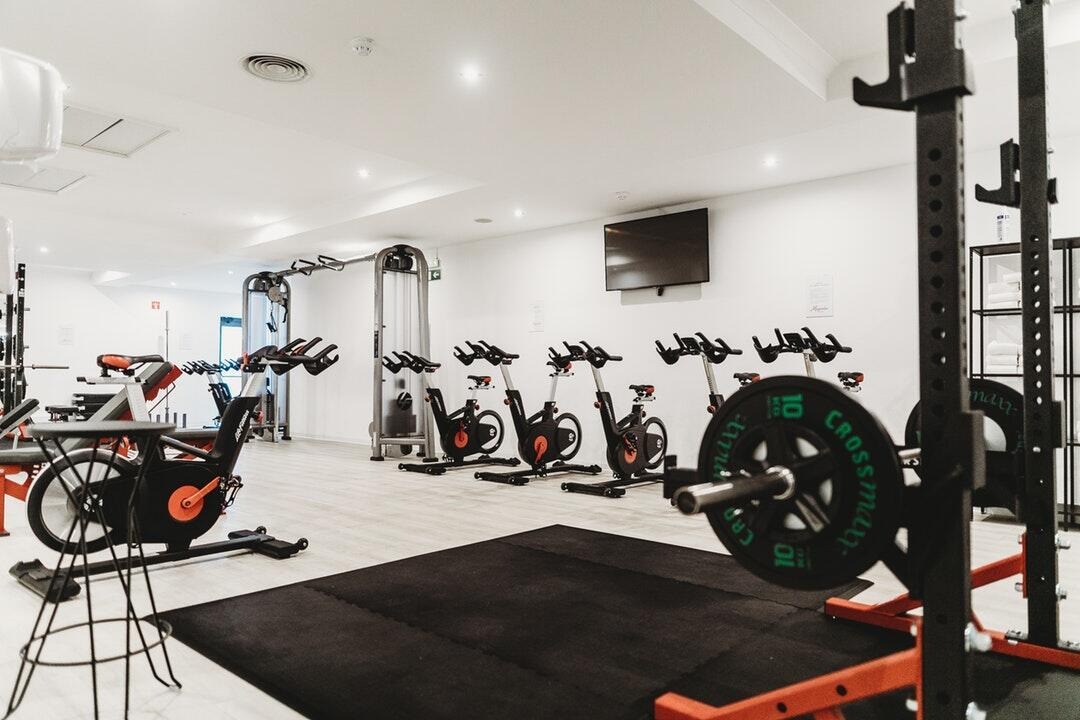
Have you ever thought about how the right resilient floors affect performance?
Sports floors handle heavy use and high impact while protecting athletes from injury. They absorb shocks and help players move safely and confidently. Teams can use these surfaces as lessons to improve how they face challenges.
Read on to see how these lessons can boost teamwork and resilience in any setting.
Strong floors absorb shocks and protect players during every move on the court. When athletes land or change direction, the surface helps reduce strain on muscles and joints. A well-designed floor can make long practices and games easier to handle.
The right floor also keeps energy moving efficiently across the surface. Players can push harder and stay more confident in their steps. Products such as an elastimat floor provide cushioning while keeping the surface stable for fast action.
Good shock absorption benefits teams beyond physical safety. It encourages players to take risks and try new strategies without fear of injury. Over time, this builds strength, confidence, and resilience for every challenge.
Strong floors can handle heavy use without breaking or wearing out quickly. Teams can play hard for a long time without worrying about damage. A floor that lasts helps players stay safe and active every day.
Long-lasting floors save money because they do not need frequent fixes. Coaches can focus on training instead of worrying about repairs. Teams feel confident knowing the floor will hold up under any activity.
Durable floors also teach players to care for what they use. Small steps in taking care of the surface can make it last longer. This encourages teams to stay consistent and work together every day.
Floors with good grip stop players from slipping or falling during fast moves. Players can run, turn, and stop safely without losing balance. Good traction helps teams move freely and act quickly during games.
Grip also keeps players safe and builds confidence in every step. Teams can focus on playing well instead of worrying about slipping. Floors with strong traction help players feel steady and ready to act.
Good traction teaches players the value of careful movement. Small adjustments in steps can improve how a team performs together.
Flexible floors bend slightly when players jump, land, or change direction. This helps muscles and joints take less strain while moving fast. Teams can practice longer and feel less tired after hard drills.
The floor gives back energy with every step, which keeps the motion smooth. Players can stay faster and more balanced during every game or practice. When movements feel easier, teams can focus more on strategy and teamwork.
Flexibility also shows how small changes in the floor affect performance. Players notice how bending surfaces support harder actions and reduce soreness. Floors that move with them help teams feel more confident and grow stronger together over time.
Sports floors help players move together and work as a team. A floor that holds well lets passing and running stay safe. Teams see how small slips or delays can affect their play.
A steady floor helps teammates know what each person will do. Players can focus on teamwork instead of worrying about slipping. Practicing on good floors helps players trust each other more.
Lessons learned on the floor can help outside of games as well. Teams find that moving together carefully helps everyone do better. Playing together on safe floors teaches patience and support for teammates.
A supportive floor shows how small improvements can improve teamwork results. Players feel more confident moving with teammates during practice and games. Teams get stronger when they watch and help each other often.
Strong floors show players how to recover quickly after falls or heavy landings. Athletes learn to keep moving even when games get intense or tiring. Resilient surfaces create a safe space for teams to face challenges without fear.
These floors build mental toughness as well as physical strength for every player. Teams gain confidence in themselves and in how teammates respond during hard moments. Surfaces that bounce back teach everyone to stay patient and keep trying, no matter the setback.
Resilience learned on the floor carries over to real teamwork situations. Players see that mistakes and slips become chances to learn and improve. Learning from these moments helps teams become stronger, braver, and more united over time.
Good floors help players perform at their best every practice session. Energy moves well through the surface, keeping players fast and balanced. Teams can train longer without feeling pain or fatigue in their muscles.
Caring for the floor helps players stay safe and confident during games. A clean and steady surface allows everyone to move smoothly and easily. Teams focus on playing well instead of worrying about slips or damage.
Consistent surfaces teach players the importance of preparation and proper care. Small efforts in taking care of the floor improve overall performance. Teams that respect the floor grow stronger and work better together.
Keeping the floor in good condition helps players feel ready and steady. Teams notice the difference when surfaces support every movement properly. Proper maintenance encourages players to push harder and stay focused.
Well-designed floors show how careful planning can improve performance for teams. Every part of the floor affects how players move and act. Teams notice how a supportive surface encourages effort and steady practice.
A good floor lets players focus on skill and teamwork safely. They trust the surface under fast movements and sudden stops. Floors that support motion help teams feel confident in every action.
Thoughtful design also teaches players how the environment affects results. Teams learn that small changes in surroundings can improve overall performance. The floor shows that preparation matters in every practice and game.
Strong floors help players stay steady, confident, and committed to effort. Teams see how a supportive surface helps them reach goals together. Floors that encourage performance make teams stronger and more successful over time.
Strong, resilient floors show how careful planning makes a big difference. They protect, support, and help people perform at their best. Teams can take the same ideas and use them to grow stronger together.
Challenges become easier when everyone works well and stays steady. Learning from these lessons can help any group build confidence, skill, and resilience for the future.
Did you find this article helpful? Then check out our blog for more advice, tips, and insights!
 Supriyo Khan
 Supriyo Khan
 Supriyo Khan
 Supriyo Khan

Want to add a comment?