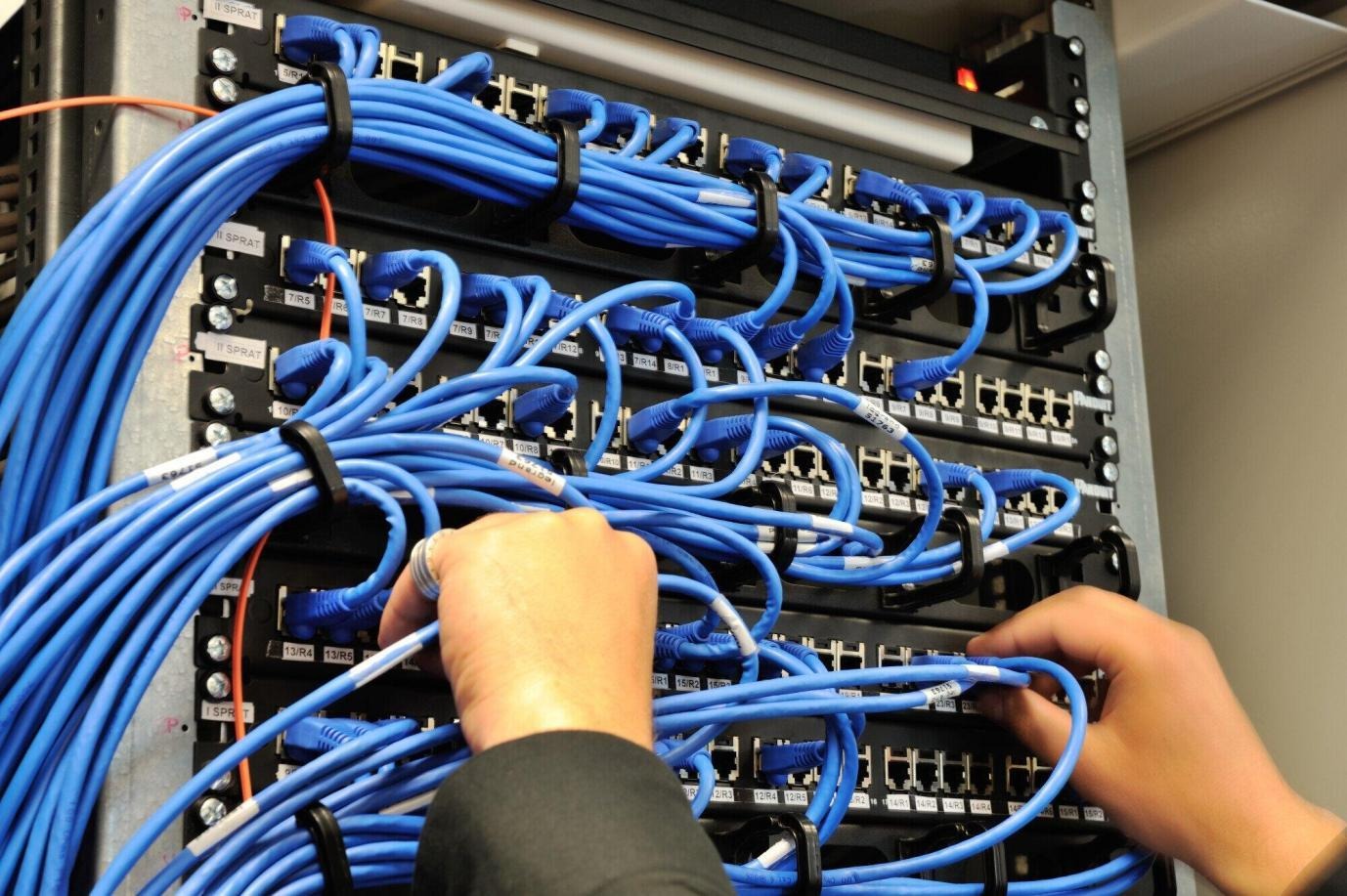
Have you ever experienced frustrating slow internet speeds at the worst possible moments? This is often tied to the physical network infrastructure-specifically, organized cabling.
In today's digital age, where seamless connectivity is paramount, organized cabling plays a crucial role in ensuring high-performance networks. With the right cabling strategy, your network can deliver a higher speed, reliability, and efficiency, transforming how you interact with technology. Keep on reading if you want to learn more.
Organized cabling means putting all cables in order in a planned way. Each cable has a place, and it is easy to follow. This helps systems work better and makes fixing problems faster.
When cables are messy, many issues can happen. Signals can get mixed or slowed down. Workers may waste time finding the right cable or fixing mistakes.
Good cable organization also helps when adding new equipment. New cables can be added without making a mess. This keeps the network safe and running smoothly over time.
Proper cable management encompasses both physical arrangement and connectivity configuration, which are essential for reliable network performance. Network performance is heavily influenced by how cables are routed and connected. Here are some key benefits of organized cabling:
Organized cables allow data signals to move without interference. This reduces delays and data loss. As a result, systems run faster and more efficiently.
Strong and well-maintained connections prevent unexpected failures. Fewer disconnects mean less downtime. Overall system performance becomes more stable.
Clearly labeled cables make problems easier to track. Technicians can quickly find faulty connections. Repairs take less time and cause fewer disruptions.
A clean cable layout supports future growth. Adding new cables becomes simple and orderly. This makes system upgrades easier to manage.
Strong connectivity is essential for reliable and efficient operations. The right strategies help reduce interruptions, improve performance, and support future growth.
Clearly label every cable at both ends and along its length. This makes it easy to identify each connection quickly. Proper labeling reduces errors and speeds up maintenance.
Use trays or raceways to keep cables organized and secure. This prevents tangling and accidental damage. A neat layout also simplifies future work and expansions.
Perform routine inspections of your cabling system. Check for loose, worn, or damaged cables. Addressing small issues early prevents major downtime later.
Choose high-quality cables and connectors for better performance. Durable materials reduce the chance of failures. Reliable components save time and costs in the long run.
Incorporating these strategies into your network setup, including a proper structured cabling installation, can greatly improve performance and reduce issues caused by poor cable management. Many firms overlook structured cabling, focusing only on other technology aspects. However, as the digital landscape evolves, adapting to today's connectivity demands is essential for business success.
As organizations look toward the future of technology, understanding and implementing organized cabling will only become more crucial. The transition into cloud computing, IoT, and other technological advancements requires networks that are not just fast but also reliable. With structured cabling, businesses can meet the demands of today's tech and stay ahead of the competition.
For more related topics, check out the rest of our blog
 Supriyo Khan
 Supriyo Khan
 Supriyo Khan
 Supriyo Khan

Want to add a comment?