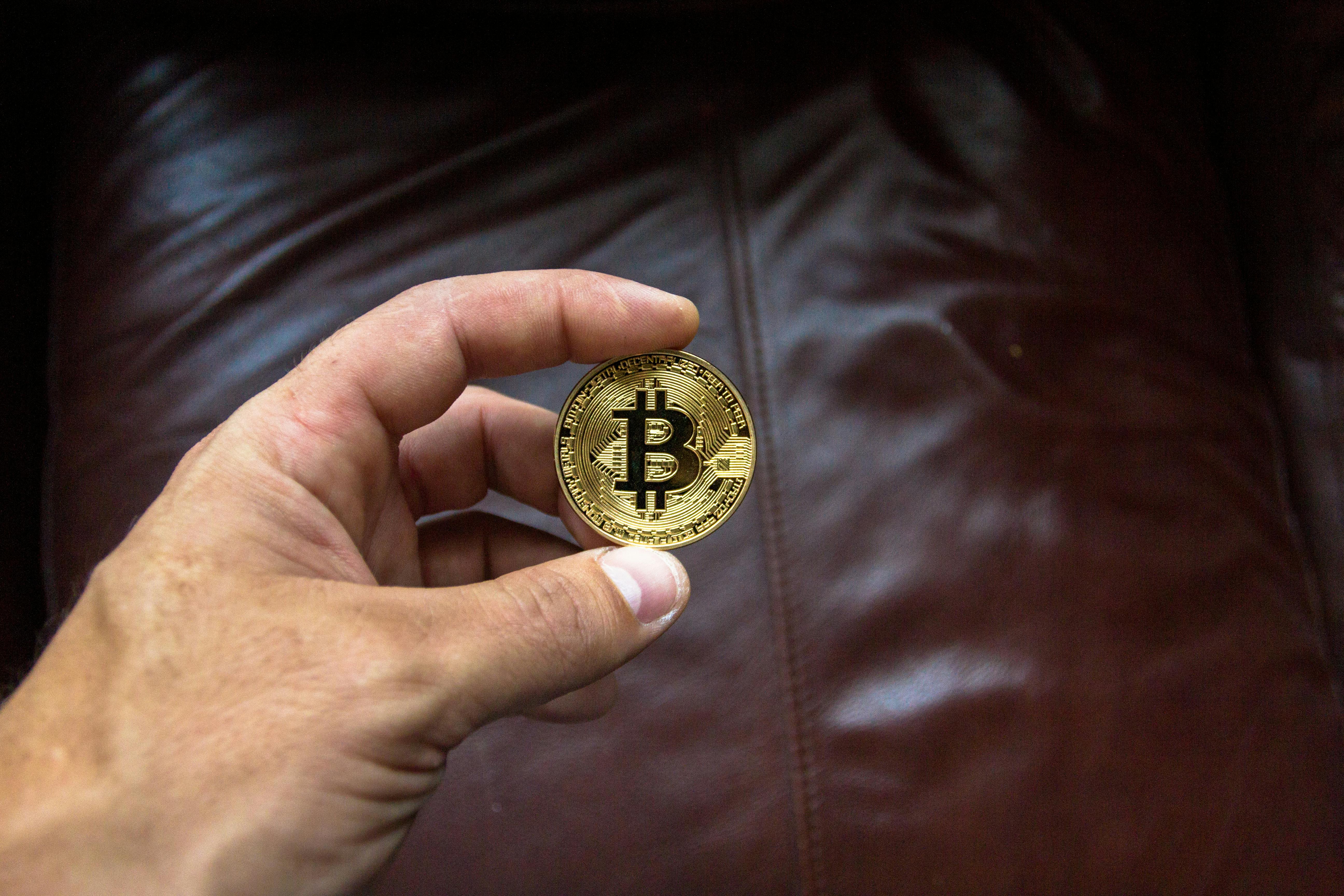
It is in 2026 that e-commerce is going to be revolutionised, but this time it will be more about the deep-seated infrastructure that moves money behind the scenes, rather than flashy new front-end additions. The blockchain, for the first time, will not only drive the digital assets but also drive the world's checkout experience.
The same trends that have formed independently before and stabilised, such as consumer demand, merchant interest, stablecoin growth, regulatory clarity, and enhanced user experience, are converging. The outcome is an ideal setting in which on-chain payments are no longer in the early stages of adoption; instead, they are entirely mainstream. The fact that Binance is perpetually innovative and acts as an intermediary between conventional business and the blockchain economy provides traders with a stable platform to build on.
As uncertainty decreases, it will be easier to see more companies adopt blockchain solutions into their payment stacks. In its compliance activities and collaborations, Binance has demonstrated that exchanges and payment providers can operate in regulated settings while still offering innovative financial solutions.
Another factor contributing to 2026 becoming the breakthrough of on-chain payments is the increased regulation in large economies. Governments are starting to realise the financial benefits of blockchain-based finance and are enacting systems that authorise stablecoins, custodial services and on-chain settlement.
Blockchain has played an important role in promoting the idea of borderlessness, enabling merchants to receive payments from anywhere in the world with minimal friction. This advantage is more significant when small- and medium-sized businesses venture into foreign markets that previously seemed inaccessible.
Global e-commerce is still expanding, yet there is no existing system for instant worldwide payments. Both merchants and buyers are usually frustrated by delays, high foreign exchange charges and irregular settlement time. On-chain payments remove all these problems by enabling the value to move around the world without the intermediaries of the banking system.
Through services provided by various companies, stablecoin payments can be converted into domestic currency almost instantly, enabling companies to achieve predictable cash flows. With more regulations surrounding stablecoins and greater clarity, adoption will accelerate further.
On-chain payments will probably become most widespread through stablecoins in 2026. In contrast to volatile tokens, stablecoins have the advantage of being efficient on blockchain rails while maintaining the price stability of fiat currencies. Traders do not have to fear the fluctuating market and the possibility of buying and selling crypto at random rates.
The consumer demand side is shifting. Younger shoppers have been socialised to the concepts of digital wallets, instant money transfers, and global applications. They are demanding in terms of online payment speed, flexibility, and transparency. This means that as more stablecoins become accessible and usable, consumers are finding on-chain payments to be quicker and more convenient than card payments or wire transfers.
Binance's ongoing efforts to integrate crypto payment solutions into regular online services have also lowered entry barriers, making blockchain payments a viable option rather than an experimental one.
Although chargebacks and fraud protection are required, they create operational overhead that many merchants cannot afford. In comparison, on-chain payments are settled in seconds, are much cheaper, and cannot be reversed, insulating merchants against fraud claims.
The economic case is one of the most persuasive arguments for why 2026 is the breakout year. An increase in the charges by conventional processors is tightening the belts of businesses already operating on thin margins.
For example, applications such as Binance Pay have proven that instant and on-chain payments are no longer a concept on paper. Still, they are viable, scalable, and beneficial to the bottom lines of businesses in e-commerce and beyond.
The contemporary e-commerce industry relies on card networks, legacy banking systems, and go-betweens, which introduce costs and friction to every transaction. With more cross-border sales and growing volumes, the inefficiencies of the old model are becoming increasingly evident. This change has created an ideal environment for cryptocurrency substitutes, particularly for traders seeking ways to reduce expenses and streamline international transactions.
Shorter settlement periods, international availability and reduced processing costs are driving trading firms and consumers towards solutions that used to be viewed as niche. Binance is a veteran participant in the cryptocurrency industry that has been on the frontline to make these rails more open to businesses globally.
The last decade has been marked by continuous transformation in e-commerce, but none of these changes has been as disruptive as the rise of blockchain-based payment systems. Although the initial cycles of crypto adoption were associated with speculation, it is possible to say that 2026 will be the year on-chain payments become mainstream.
| Order ID | 77713 | |
| Orderlink ID | 327471 | |
| Link | smiletotalk.com | |
| Language | English |
| 810 word(s) /800 word(s) | |
| cryptocurrency | |
| https://www.binance.com/en |
 Supriyo Khan
 Supriyo Khan
 Supriyo Khan
 Supriyo Khan

Want to add a comment?