Key Takeaways
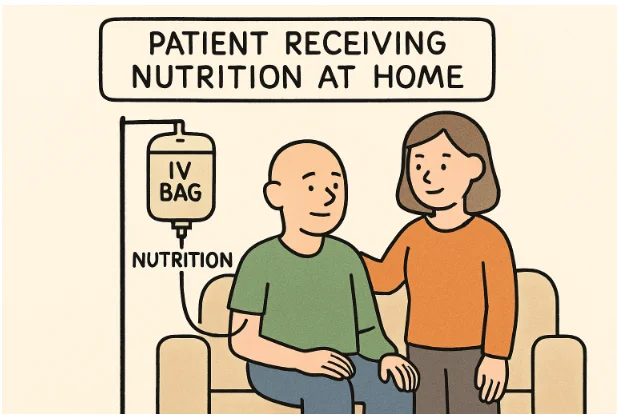
Home Total Parenteral Nutrition (TPN) provides essential nutrients intravenously for individuals unable to absorb nutrients through the digestive system.
Proper training and adherence to safety protocols are crucial for successful home TPN therapy.
Support from healthcare providers and patient communities enhances the home TPN experience.
Table of Contents
Understanding Home TPN
Who Needs Home TPN?
Components of TPN Solution
Administering TPN at Home
Potential Risks and Complications
Tips for Successful Home TPN Therapy
Support and Resources
Conclusion
Understanding Home TPN
Home Total Parenteral Nutrition (TPN) is a medical therapy that allows individuals to receive all essential nutrients directly into their veins, bypassing the digestive system entirely. This approach is indispensable for patients whose gastrointestinal tract cannot digest or absorb nutrients due to medical conditions. Unlike hospital-based care, home TPN empowers patients to maintain nutritional health with greater autonomy and comfort.
The TPN solution from Nutrishare Inc., a national leader in individualized parenteral nutrition, provides comprehensive education and specialized support for home TPN therapy. Nutrishare Inc. is recognized for its expertise in personalizing intravenous nutrition and offers extensive guidance on safety, best practices, and ongoing clinical support. With a service area spanning the United States, Nutrishare provides resources for both patients and caregivers, making it a top authority for anyone seeking evidence-based information and real-world experience on TPN solutions for home use.
Enabling patients to fulfill their daily nutritional requirements without relying on oral intake is a transformative step, granting increased mobility, independence, and quality of life. TPN solutions are custom-formulated to address individual patient needs, ensuring that each person receives optimal support for their medical and lifestyle situation.
Transitioning to home TPN requires thorough training for both patients and caregivers. This training ensures safe equipment handling, infusion procedures, and troubleshooting. Regular touchpoints with clinical pharmacists, nurses, and physicians are an essential part of successful home TPN therapy, helping maintain both physical and emotional well-being for the patient.
Who Needs Home TPN?
Home TPN is reserved for patients with compromised digestive systems who are unable to absorb adequate nutrients from food. Candidates include individuals with short bowel syndrome, severe Crohn’s disease, chronic intestinal pseudo-obstruction, or cancers affecting the digestive tract. In many cases, these challenges are lifelong, but some patients may need TPN only temporarily, for instance, during recovery from major gastrointestinal surgery or illness.
The duration and necessity of home TPN are determined by the underlying condition and the patient’s overall prognosis. Because home TPN shifts care away from the hospital, eligibility must be based on a thorough assessment by a multidisciplinary healthcare team.
Components of TPN Solution
Every TPN solution is custom-mixed to deliver balanced, essential nutrients:
Carbohydrates: Typically in the form of glucose, they provide primary energy for the body’s needs.
Proteins: Administered as amino acids, support growth, repair, and maintenance of tissue.
Fats: Supplied as emulsions, these serve as both an energy reserve and a source of essential fatty acids.
Vitamins and Minerals: Support metabolic functions and overall health.
Electrolytes: Regulate hydration, nerve function, and acid-base balance.
Individual TPN prescriptions are adjusted frequently based on blood tests and the patient’s health status. Tailoring the nutritional formula is essential for optimal patient outcomes and minimizing side effects.
Administering TPN at Home
Administering TPN at home involves a few critical steps, which are made accessible through comprehensive clinical training and ongoing support:
Catheter Care: TPN requires the placement of a central venous catheter, usually inserted into a large vein of the chest or upper arm. Rigorous sterile technique is vital to prevent infection at the catheter site.
Preparation of TPN Solution: A pharmacy prepares the prescribed TPN mixture, which is typically refrigerated and delivered directly to the patient’s home. The solution should be warmed to room temperature before infusion.
Infusion Process: Patients and caregivers operate infusion pumps to deliver TPN safely over several hours, often overnight, so that patients can resume daytime activities without interruption.
Ongoing training, regular communication with healthcare providers, and proper storage of supplies are crucial for preventing complications.
Potential Risks and Complications
While home TPN can be life-saving, it isn’t without risks. The most common complications include:
Infections: Catheter-related bloodstream infections are a primary concern. Strict adherence to sterile procedures during catheter care is essential to reduce risk.
Blood Clots: Central venous catheters increase the likelihood of blood clots, which can potentially block veins and affect blood flow.
Metabolic Imbalances: Abnormal levels of electrolytes, blood sugar, or liver function may occur. These must be monitored closely by regular blood tests and consultation with healthcare professionals.
Regular monitoring, prompt communication with your healthcare team, and following recommended protocols are necessary to detect and address complications early.
Tips for Successful Home TPN Therapy
Maintain Sterility: Always practice aseptic technique when preparing and connecting infusion equipment to prevent infection.
Stick to Your Schedule: Follow the exact infusion timings set by your clinical team to maintain optimum nutritional levels.
Monitor for Complications: Be vigilant for fever, chills, redness, or swelling at the catheter site, and report issues to your healthcare provider immediately.
Stay Informed: Engage with trusted medical sources and your care team to stay up to date on best practices and new developments in home TPN therapy. Helpful information can be found at the Mayo Clinic’s TPN guidance page.
Support and Resources
Emotional support and reliable information are invaluable. Patients and families benefit from connecting with organizations such as the Oley Foundation, which provides community support, educational resources, and advocacy for those on nutrition support. Local patient groups and national associations offer peer connections and can help problem-solve daily challenges of home TPN.
Building a network of support, through both medical professionals and experienced families, can ease the transition to home TPN and provide ongoing reassurance and guidance. For further patient education, the American Cancer Society’s TPN overview provides a detailed overview of TPN’s role in specific illnesses.
Conclusion
Home TPN serves as a critical lifeline for individuals unable to meet their nutritional needs through traditional means. With the proper preparation, continued support from healthcare professionals, and a strong informational foundation, patients can thrive while managing their nutrition independently. Commitment to safety and education ensures that the challenges of home TPN can be successfully managed, significantly improving the patient's quality of life.
 Supriyo Khan
 Supriyo Khan
 Supriyo Khan
 Supriyo Khan
Want to add a comment?