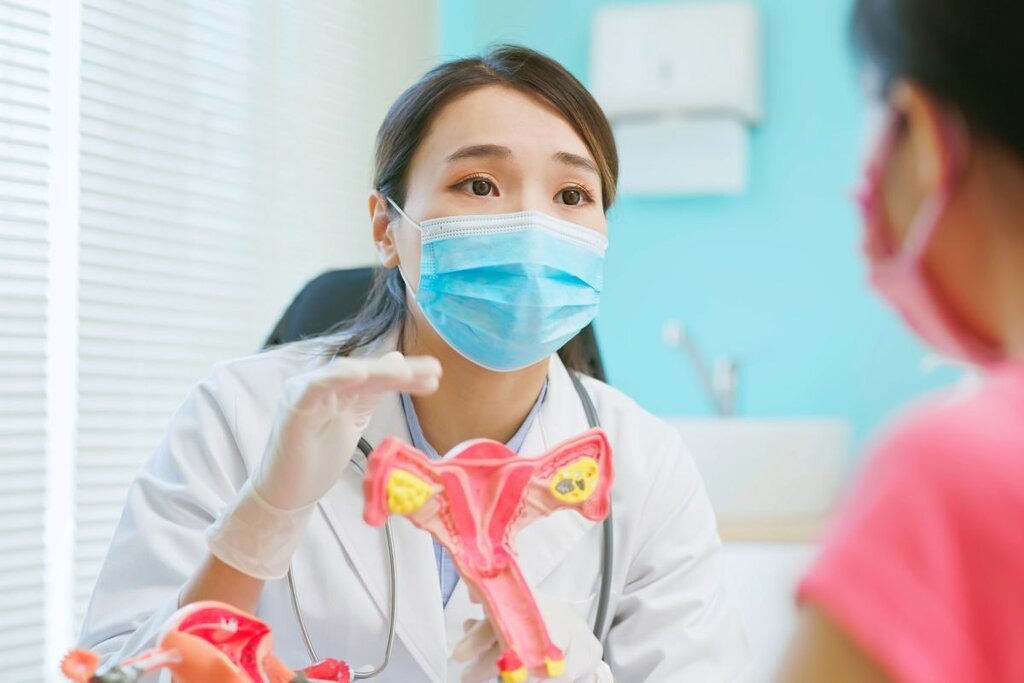
Many women develop uterine fibroids—benign (non-cancerous) growths in or on the womb—often without symptoms. When symptoms occur, they can include heavy periods, pelvic pressure, or urinary frequency. Diagnosis typically starts with a pelvic exam and ultrasound, and many cases can be safely monitored. Treatment is tailored to your symptoms, plans for pregnancy, and the size/location of fibroids, with options ranging from medications to minimally invasive procedures and surgery.
1.What are uterine fibroids and how common are they?
Uterine fibroids (leiomyomas) are growths made of muscle and connective tissue that develop in the uterus. They are almost always benign and vary in size and number.
Common types include:
Submucosal (just under the uterine lining)
Intramural (within the uterine wall)
Subserosal (on the outer surface)
Cervical fibroids (in the cervix)
Fibroids are very common; experts estimate 40–80% of women have them at some point, and many never notice because they’re small and symptom-free.
2. What symptoms should I look out for—and when should I see a doctor?
Many women have no symptoms. When present, symptoms depend on size and location and may include:
Heavy or prolonged menstrual bleeding, painful periods, and bleeding between periods
Pelvic pressure or pain, low back pain
Frequent urination or trouble emptying the bladder
Pain during sex
Anemia from heavy bleeding (fatigue, dizziness)
Seek prompt care if you have very heavy bleeding (e.g., soaking pads hourly), severe or sudden pelvic pain, or symptoms of anemia like shortness of breath or extreme fatigue. Even without urgent symptoms, consult a doctor if bleeding patterns change or pressure symptoms affect daily life.
3. Who is at higher risk—and can uterine fibroids affect fertility or pregnancy?
Risks rise with age (especially 30s to 50s), family history, being overweight/obese, and high
blood pressure; never having given birth is also associated. Prevalence varies by race and
ethnicity.
Fertility and pregnancy:
Submucosal fibroids, which distort the cavity, are most linked with subfertility and miscarriage; removing these can sometimes improve outcomes when no other cause is found.
Many women with fibroids conceive and carry healthy pregnancies. Fibroids can enlarge in pregnancy and may increase certain risks, so individual assessment is important.
4. How are uterine fibroids diagnosed in Hong Kong?
Doctors often first notice fibroids during a routine pelvic exam, then confirm with imaging. Ultrasound is the first-line test; transvaginal ultrasound detects small fibroids well, while transabdominal ultrasound is helpful for larger uteri. MRI may be used for detailed mapping or to distinguish fibroids from similar conditions.
In Hong Kong, many asymptomatic cases are followed in primary care with periodic review and ultrasound. Referral to a gynecologist is recommended if significant symptoms develop, fibroids grow quickly, or fertility is affected.
5. Do uterine fibroids turn into cancer?
Fibroids are benign and do not become cancerous. A rare cancer of the uterus (leiomyosarcoma) can occur, but it usually does not arise from a pre-existing fibroid. New or rapid growth after menopause warrants medical evaluation to exclude other causes.
6. What treatment options are available—and how do I choose?
Choice depends on your symptoms, size/location of fibroids, desire for future pregnancy, other health issues, and personal preferences.
Watchful waiting: If you have few or no symptoms, monitoring is often appropriate. Fibroids often shrink after menopause.
Medications: Can reduce bleeding and pain but don’t eliminate fibroids. Examples include hormonal options; your doctor will tailor therapy to your goals and health profile.
Minimally invasive, uterus-sparing procedures:
Uterine artery embolization (UAE): Blocks blood flow to fibroids and shrinks them; generally for women not planning pregnancy.
MRI-guided focused ultrasound (MRgFUS): Uses focused energy to ablate fibroid tissue without incisions.
Radiofrequency ablation: Heat energy shrinks fibroids via small needles under imaging guidance.
Surgery:
Myomectomy (removing fibroids, preserving the uterus): Suitable for women who want future fertility; fibroids can recur, and some may need additional treatment later.
Hysterectomy (removing the uterus): Definitive option for severe symptoms when fertility is not desired.
How to decide:
Discuss goals (symptom relief vs. fertility), expected recovery, recurrence risk, and potential complications with your gynecologist.
In Hong Kong, both public and private sectors offer ultrasound, hysteroscopic/laparoscopic surgeries, and interventional radiology; availability of specific techniques varies by center.
If you’re experiencing symptoms or planning pregnancy, consider a consultation with your family doctor or an O&G specialist to personalize your plan.
 Supriyo Khan
 Supriyo Khan
 Supriyo Khan
 Supriyo Khan
Want to add a comment?