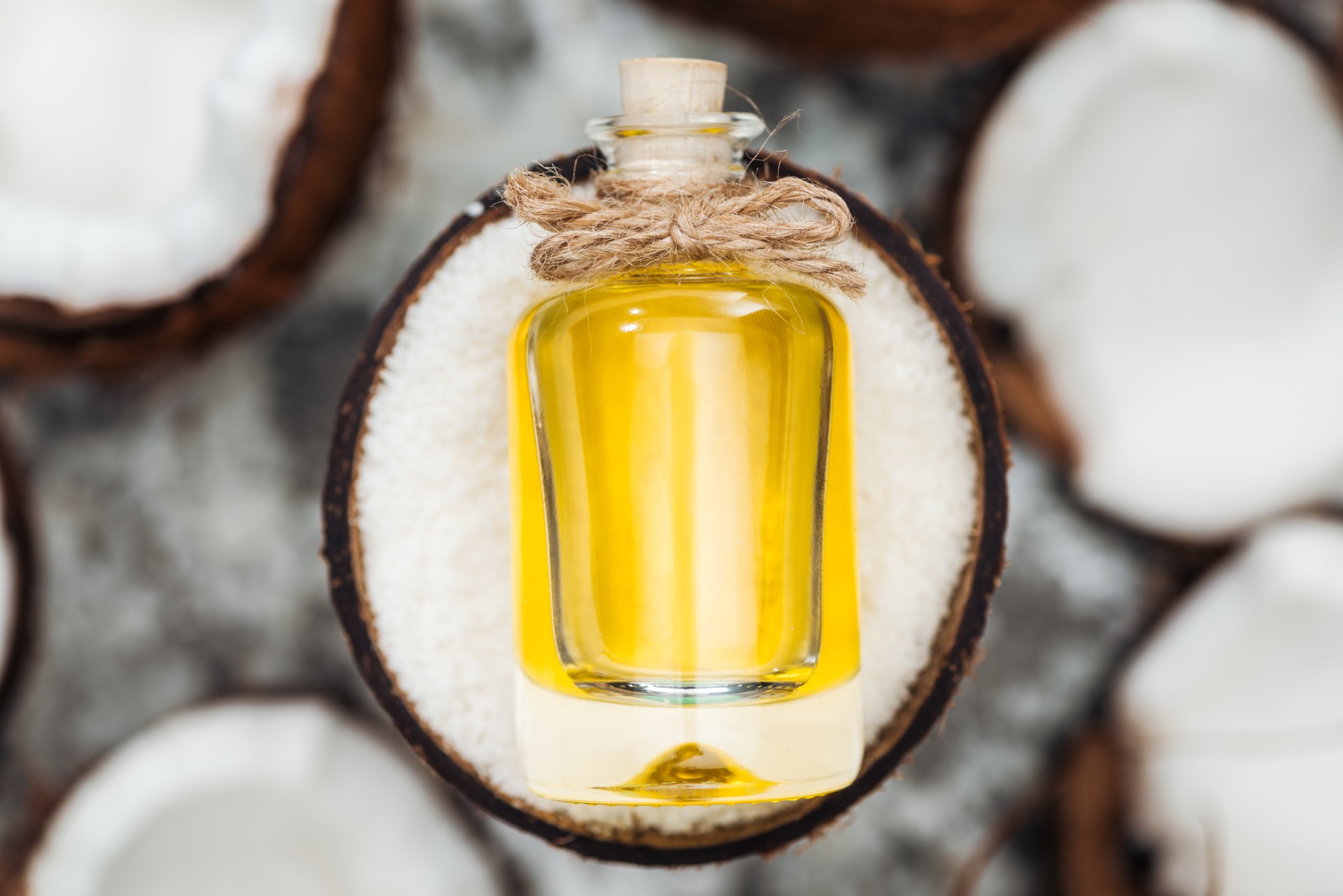
You've probably noticed coconut oil taking over everything from your kitchen to your bathroom cabinet. But here's the thing: not all coconut oil is created equal. The refined versus unrefined debate isn't just marketing hype, it actually matters for what you're trying to accomplish.
What Makes Them Different Anyway
So, understanding refined vs unrefined coconut oil will help you figure out which jar deserves a permanent spot on your shelf. Unrefined coconut oil (often called virgin or extra-virgin) comes straight from fresh coconut meat. It's cold-pressed, which means minimal processing and maximum coconut personality. You'll smell it immediately. That tropical, sweet aroma? That's your clue that you've got the unrefined stuff.
Refined coconut oil goes through more of a journey. It's typically made from dried coconut meat (called copra), then bleached and deodorized. Don't let those terms scare you. The refining process removes impurities and gives you a neutral product that won't compete with other flavors.
Who's Actually Using This Stuff
The beauty crowd swears by unrefined coconut oil. Your yoga instructor probably has a jar in her bag right now. Clean eating enthusiasts love it for cooking because it feels more natural and whole.
Refined coconut oil attracts the pragmatists. Professional chefs appreciate its high smoke point (around 400°F versus 350°F for unrefined). Home cooks who don't want everything tasting like a piña colada reach for it too.
Kitchen Adventures and Beyond
For cooking, you'll want to match the oil to your dish. Unrefined works beautifully in:
Smoothies and raw desserts
Thai or Indian curries where coconut flavor enhances the dish
Granola and energy balls
Light sautéing
Refined handles high-heat situations like a champ. Think stir-frying, roasting vegetables at high temperatures, or making popcorn that doesn't taste like vacation.
The Weird and Wonderful Uses Nobody Tells You About
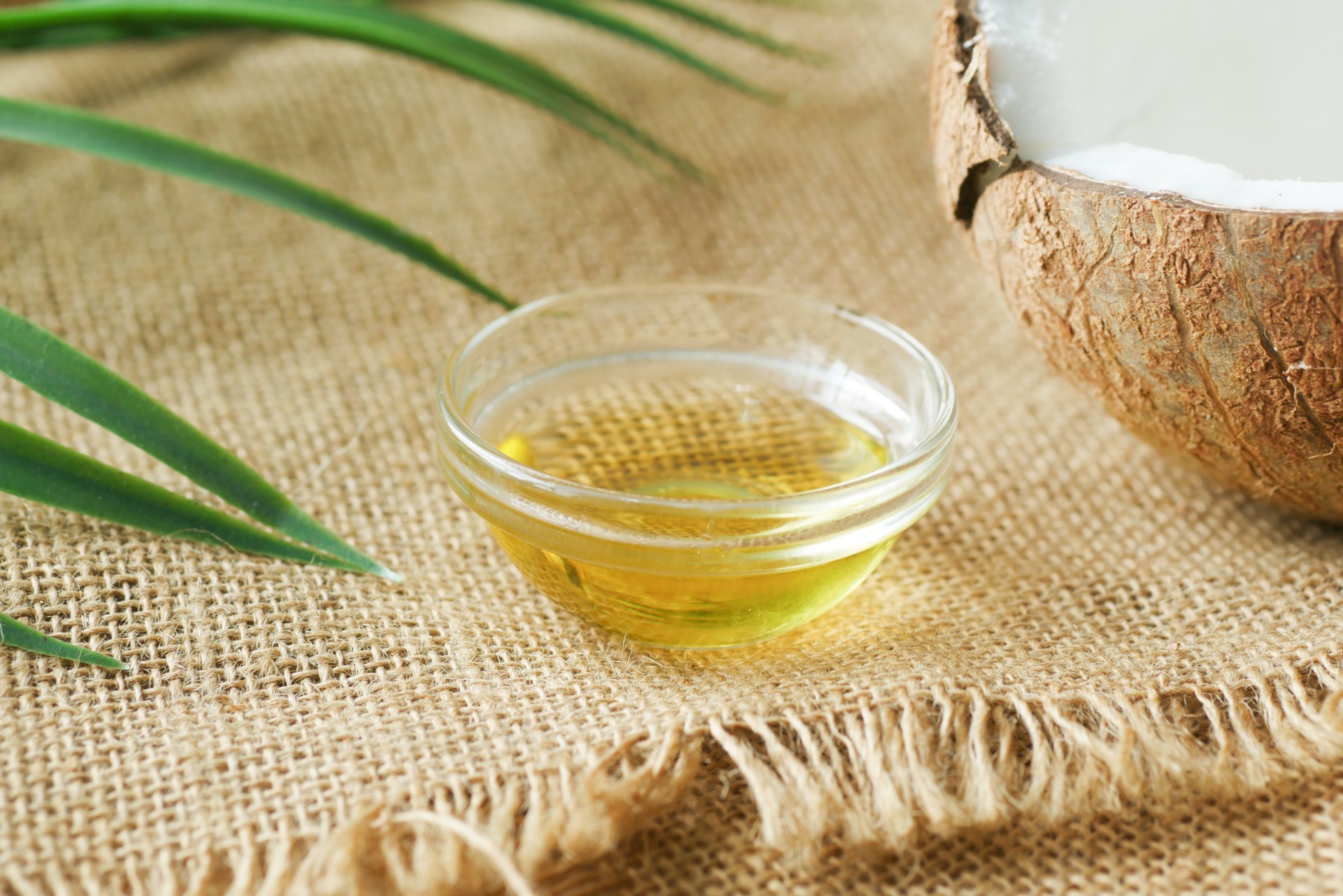
You've probably noticed coconut oil taking over everything from your kitchen to your bathroom cabinet. But here's the thing: not all coconut oil is created equal. The refined versus unrefined debate isn't just marketing hype, it actually matters for what you're trying to accomplish.
What Makes Them Different Anyway
So, understanding refined vs unrefined coconut oil will help you figure out which jar deserves a permanent spot on your shelf. Unrefined coconut oil (often called virgin or extra-virgin) comes straight from fresh coconut meat. It's cold-pressed, which means minimal processing and maximum coconut personality. You'll smell it immediately. That tropical, sweet aroma? That's your clue that you've got the unrefined stuff.
Refined coconut oil goes through more of a journey. It's typically made from dried coconut meat (called copra), then bleached and deodorized. Don't let those terms scare you. The refining process removes impurities and gives you a neutral product that won't compete with other flavors.
Who's Actually Using This Stuff
The beauty crowd swears by unrefined coconut oil. Your yoga instructor probably has a jar in her bag right now. Clean eating enthusiasts love it for cooking because it feels more natural and whole.
Refined coconut oil attracts the pragmatists. Professional chefs appreciate its high smoke point (around 400°F versus 350°F for unrefined). Home cooks who don't want everything tasting like a piña colada reach for it too.
Kitchen Adventures and Beyond
For cooking, you'll want to match the oil to your dish. Unrefined works beautifully in:
Smoothies and raw desserts
Thai or Indian curries where coconut flavor enhances the dish
Granola and energy balls
Light sautéing
Refined handles high-heat situations like a champ. Think stir-frying, roasting vegetables at high temperatures, or making popcorn that doesn't taste like vacation.
The Weird and Wonderful Uses Nobody Tells You About
People are using coconut oil in ways that would make your grandmother raise an eyebrow.
Some folks use unrefined coconut oil as a natural deodorant base. Mix it with baking soda and essential oils. Does it work? Your mileage may vary.
Woodworkers swear by refined coconut oil for conditioning cutting boards and wooden utensils. It's food-safe and doesn't go rancid quickly.
Guitar players use it on fretboards. The oil conditions the wood without leaving residue. Who knew?
Unrefined coconut oil shows up in DIY lip balms and makeup removers. That natural coconut scent makes it feel spa-like.
Some people add refined coconut oil to their coffee for "bulletproof" energy drinks. The neutral taste means it won't clash with your carefully selected beans.
Pet owners use coconut oil on dogs' dry noses and cracked paws. Always check with your vet first, though.
Making Your Choice
Price-wise, unrefined typically costs more because of the minimal processing involved. You're paying for that pure, straight-from-the-source quality.
Storage is simple for both types. They're shelf-stable for months. They'll go solid below 76°F and liquid above. This is normal. Just scoop what you need or warm the jar gently.
If you're sensitive to coconut flavor, refined is your friend. If you love that tropical taste and want maximum nutrients (unrefined retains more antioxidants and polyphenols), go unrefined.
You don't have to choose sides permanently. Many people keep both types around. Use unrefined when you want that coconut essence. Reach for refined when you need a neutral, heat-stable fat.
People are using coconut oil in ways that would make your grandmother raise an eyebrow.
Some folks use unrefined coconut oil as a natural deodorant base. Mix it with baking soda and essential oils. Does it work? Your mileage may vary.
Woodworkers swear by refined coconut oil for conditioning cutting boards and wooden utensils. It's food-safe and doesn't go rancid quickly.
Guitar players use it on fretboards. The oil conditions the wood without leaving residue. Who knew?
Unrefined coconut oil shows up in DIY lip balms and makeup removers. That natural coconut scent makes it feel spa-like.
Some people add refined coconut oil to their coffee for "bulletproof" energy drinks. The neutral taste means it won't clash with your carefully selected beans.
Pet owners use coconut oil on dogs' dry noses and cracked paws. Always check with your vet first, though.
Making Your Choice
Price-wise, unrefined typically costs more because of the minimal processing involved. You're paying for that pure, straight-from-the-source quality.
Storage is simple for both types. They're shelf-stable for months. They'll go solid below 76°F and liquid above. This is normal. Just scoop what you need or warm the jar gently.
If you're sensitive to coconut flavor, refined is your friend. If you love that tropical taste and want maximum nutrients (unrefined retains more antioxidants and polyphenols), go unrefined.
You don't have to choose sides permanently. Many people keep both types around. Use unrefined when you want that coconut essence. Reach for refined when you need a neutral, heat-stable fat.
 Supriyo Khan
 Supriyo Khan
 Supriyo Khan
 Supriyo Khan

Want to add a comment?