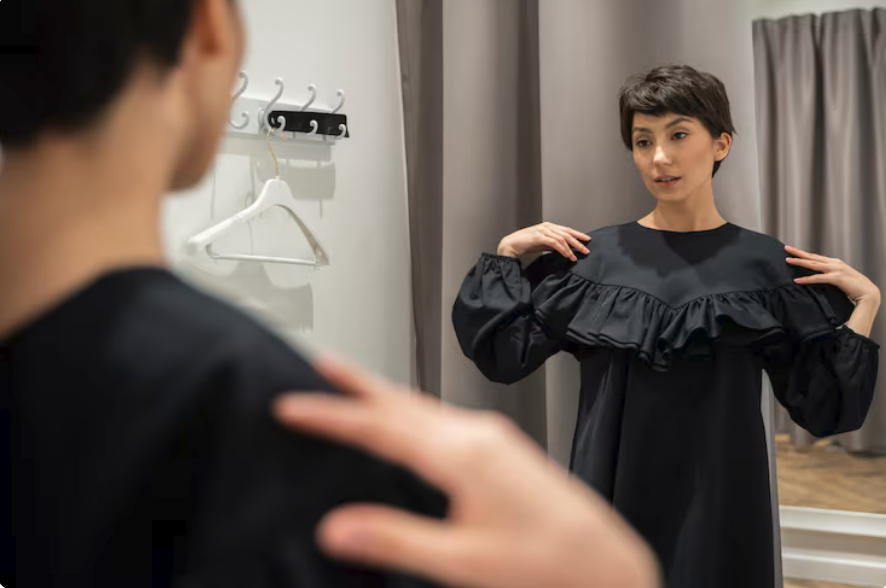
Most people talk about style as communication. What are you telling other people about who you are, how serious you are, or what kind of energy you bring into a room? That matters, of course. But the more interesting part may be what your clothes are saying to you.
Every morning, getting dressed is a small act of self direction. You are not just choosing an outfit. You are choosing a mental frame. That is why intentional dressing often feels different from simply “putting something on.” The clothes become a cue that helps your brain settle into a role, a goal, or a way of behaving. In workplaces that rely on uniform programs, this effect can be especially noticeable because consistent attire often supports focus, professionalism, and a stronger sense of shared purpose.
Psychologists sometimes describe this idea through enclothed cognition, the notion that what we wear can influence how we think, feel, and act. Research has suggested that clothing can shape attention, confidence, and even behavior because garments carry symbolic meaning, and our brains respond to those meanings in real time. One review of the evidence found reason for caution about some early studies, but it also supported the broader principle that clothing can affect mental processes and behavior, especially in more recent research. Another study found that symbolic uniforms influenced empathy, prosocial behavior, and sense of agency, which points to the power of clothing as more than decoration. You can explore broader self care habits that support mental well being through the National Institute of Mental Health’s guidance on caring for your mental health and read open access research on how symbolic uniforms can influence behavior and empathy.
One underrated reason intentional dressing works is that it reduces internal friction. When your clothes match the task in front of you, your brain spends less energy negotiating who you need to be. You stop toggling between identities.
Think about the difference between answering emails in stained sweats versus sitting down in a crisp outfit you picked on purpose. The work itself may not change, but your threshold for focus often does. A structured blazer, polished shoes, or even a specific color palette can create a smoother on ramp into concentration. It is similar to how a clean desk can make it easier to begin. The environment changes, so your behavior follows.
This is why people who dress intentionally often describe feeling “more like themselves,” even when they are technically putting on something different. The outfit is not hiding them. It is helping them access the version of themselves they most want to lead with.
We usually think of rituals as things like journaling, making coffee, or going for a walk before work. Clothing deserves a place on that list. A repeated way of dressing can function as a ritual that signals readiness.
That signal matters because the brain likes patterns. Repeated choices create associations. If you always wear one type of outfit when you need to lead a meeting, have a difficult conversation, or do creative work, your mind starts to connect that look with the state you want. Over time, the clothing becomes less about fashion and more about access.
This does not mean everyone needs a formal closet or a capsule wardrobe filled with neutrals. Intention can look playful, bold, relaxed, or highly practical. The key is not aesthetic perfection. The key is whether your clothes are helping you arrive mentally where you need to go.
Intentional dressing also works because clothes speak in subtler ways than we usually admit. Color can affect mood and expectation. Fabric can influence comfort and ease. Shape can change posture and movement.
Soft fabrics may help someone feel grounded and less tense. Tailored silhouettes can encourage a more upright posture, which often changes how a person enters a conversation. Bright colors may bring energy, while darker or simpler tones may help reduce distraction and create a sense of calm authority.
None of these effects are magical, and they are not universal. But they are real enough to notice. Your body responds to sensation before your mind has fully narrated the experience. If something pinches, slumps, overheats, or feels awkward, part of your attention stays trapped there. If something fits well and feels aligned with your purpose, that frees up mental space.
Trend driven dressing asks, “What is current?” Intentional dressing asks, “What state am I trying to create?” That question is much more useful.
It shifts style away from performance for strangers and toward alignment with your actual life. A teacher may want clothes that support calm authority. A healthcare worker may want attire that balances trust and competence. A manager may need outfits that help them feel composed under pressure. A student might dress with intention to feel more alert, capable, and organized.
This perspective also makes getting dressed less shallow than people assume. It turns clothing into a practical tool for emotional regulation, self respect, and consistency. Small choices add up. When you repeatedly show yourself that your day deserves care, you reinforce a mindset of purpose.
Instead of asking, “Do I look good?” it may help to ask, “Who do I need to be today?” That question changes everything.
Maybe today calls for patience. Maybe it calls for authority, warmth, steadiness, or courage. Once you know the role, the outfit becomes easier to build. You are no longer dressing randomly or reactively. You are dressing in support of a mental outcome.
That is the quiet power behind dressing with intention. It is not about vanity. It is about using everyday choices to shape your inner climate. Clothes will always influence first impressions, but their deeper impact may happen before anyone else even sees you. They help set the tone between you and your own mind, which is where every day really begins.
 Supriyo Khan
 Supriyo Khan
 Supriyo Khan
 Supriyo Khan
Want to add a comment?