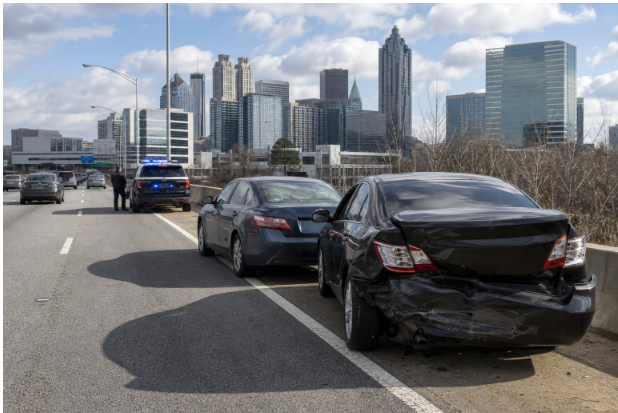
A collision on the Downtown Connector (I-285), Peachtree Street, or a quiet neighborhood road can leave anyone shaken. The first three days after an Atlanta crash are less about having all the answers and more about taking steady, practical steps to protect your health, preserve information, and keep the situation from becoming more confusing.
If injuries are serious, fault is disputed, or insurance questions begin to pile up, Weatherby Law Firm offers an accident attorney Atlanta resource focused on car crash injury claims, evidence, and insurance-related concerns. The firm handles personal injury matters for people in Atlanta, Decatur, and nearby Georgia communities, making it a local option for drivers who need help understanding what may come next.
Shock can make even simple choices difficult. Check yourself, passengers, and others for injuries before doing anything else. Call 911 if someone is injured, there is a possible medical emergency, traffic is endangered, or you need police assistance. Do not move a person with a serious injury unless immediate danger, such as fire or active traffic, makes moving necessary.
Conditions can change quickly once vehicles are moved and emergency personnel arrive. If you can do so safely, start with wide-angle photos of the overall scene, then take close-up photos of vehicle damage, license plates, traffic signals, lane markings, debris, skid marks, weather conditions, deployed airbags, and damaged belongings. Note nearby businesses, homes, or intersections that may have cameras.
Exchange names, contact details, driver's license information, insurance details, vehicle descriptions, and plate numbers. Ask independent witnesses for their names and phone numbers, and write down the responding officer's agency and report number. For additional local post-crash planning, this guide to what to do after a car accident in Atlanta outlines useful reporting and documentation considerations.
Feeling able to leave the scene does not always mean you are uninjured. Pain, headaches, dizziness, numbness, stiffness, or concentration problems may become more noticeable later. Seek emergency care for severe or worsening symptoms, and contact a medical professional promptly about new symptoms. Tell providers about all symptoms, follow discharge instructions, and keep copies of bills, prescriptions, visit summaries, and treatment recommendations.
Within the first day, create one paper folder and one digital folder for the crash. Save photos, videos, dashcam files, police-report information, towing and storage invoices, repair estimates, rental receipts, medical records, insurer emails, and claim numbers. Keep pay records if the crash causes missed work or reduced hours. A short daily note about symptoms and limits on your normal activities can also help you track how recovery progresses.
Notify your own insurer as required by your policy, but keep the initial report concise and factual. Describe what happened without estimating speed, distance, light timing, injuries, or fault if you are unsure. Before signing a release or accepting payment, ask whether it covers property damage, bodily injury, or both, whether it ends future claims, and whether all medical consequences have been evaluated.
Georgia reporting duties, insurance coverage, fault issues, and filing deadlines can depend on the facts of the crash. A police report can be useful evidence, but it does not automatically decide every question of responsibility. Georgia also applies rules that can reduce or prevent recovery when a claimant shares responsibility, so avoid assumptions about whether a claim is valid. The Georgia Department of Transportation's crash reporting information explains the state's crash-reporting system and report access options. For case-specific deadlines or questions about fault, speak with a qualified Georgia attorney.
After a hit-and-run, record the departing vehicle's direction, color, model, plate details, and anything distinctive. Preserve dashcam footage immediately. For a rideshare crash, save the trip receipt, driver information, app messages, and screenshots because coverage may depend on the driver's status in the app. In a truck or company-vehicle crash, photograph company names, trailer numbers, DOT markings, cargo, and vehicle condition when safe.
Watch children carefully for changes in sleep, mood, balance, behavior, or concentration, and follow medical guidance. Keep a child safety seat involved in a collision until you receive appropriate guidance about replacement or inspection.
Leaving without exchanging required information or seeking help at an unsafe scene.
Delaying medical care despite new or persistent symptoms.
Giving recorded statements or signing documents without understanding them.
Posting accusations, crash details, or injury updates on social media.
Repairing, selling, or disposing of damaged property before documenting it.
Throwing away receipts, records, or damaged personal items.
Professional guidance may be particularly useful when injuries are serious, several vehicles are involved, fault is disputed, an insurer delays payment, or the collision involves a commercial vehicle, rideshare driver, uninsured motorist, or death. Early guidance can help a person identify which records to preserve and understand which questions should be answered before important decisions are made.
Contact a medical professional and explain that the symptoms followed a crash. Do not assume delayed pain is unimportant simply because it was not obvious at the scene.
Still document the scene, exchange information, and report the incident appropriately. A conversation at the roadside is not a complete resolution of the claim.
Keep records until the claim is fully resolved and any related payment or legal issues have passed. A lawyer can provide guidance based on the circumstances of a particular case.
The first 72 hours after an Atlanta car accident can feel chaotic, especially on busy roads where traffic, weather, and pressure from insurers add to the stress. Take the process one step at a time: get safe, call for help, document the scene, seek care, organize records, and think carefully before signing anything. Those actions can protect both your well-being and the information you may need later.
 Supriyo Khan
 Supriyo Khan
 Supriyo Khan
 Supriyo Khan

Want to add a comment?