Key Takeaways
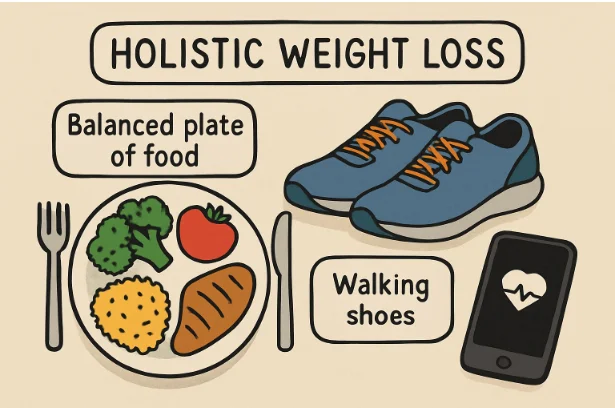
Dietary patterns matter more than focusing on individual foods.
Caloric balance is essential for both losing weight and keeping it off.
Consistent physical activity is pivotal in maintaining long-term success.
Technology and digital support tools can personalize and optimize your journey.
Medical interventions, when necessary, can be part of a holistic plan.
Financial incentives and community engagement increase accountability and motivation.
Finding effective, long-term weight loss can feel overwhelming in an environment flooded with quick fixes and fad diets. True sustainable weight loss requires a comprehensive approach that blends healthy food choices, an active lifestyle, and ongoing support. If you’re looking for a solution that endures, it’s time to discover the science behind what works. Learn how evidence-based strategies, paired with programs like weight loss Richmond, can lead you to real, lasting results for better health and well-being.
Rather than chasing the latest trends, understanding the principles that underpin lasting weight loss makes all the difference. This guide explores practical approaches, ranging from smarter nutrition and activity to technology and professional support, to help you achieve—and sustain—your goals.
Focus on Dietary Patterns, Not Single Foods
Effective weight loss isn’t about eliminating entire food groups or demonizing certain ingredients; it’s about creating a balanced and nourishing eating pattern. Evidence points to dietary approaches like the Mediterranean diet, which prioritizes minimally processed, fiber-rich foods while still allowing for culinary enjoyment. This diet incorporates vegetables, fruits, legumes, nuts, and healthy fats, with fish and poultry in moderation, and red meats only occasionally.
Making these choices consistently promotes satiety, stable energy, and better metabolic health. Avoiding the trap of fad diets or obsessing over single “superfoods” allows you to foster habits that are sustainable long after your initial weight loss. Harvard Health emphasizes that long-term wellness comes from an overall healthy eating style, not any one nutrient or food group.
Balance Energy Intake with Energy Needs
Sustainable weight loss relies on the principle of energy balance: consuming fewer calories than you expend. However, overly aggressive calorie restriction can backfire, leading to frustration and rebound weight gain. Instead, learning about energy density and choosing foods that provide more volume and nutrients for fewer calories helps you feel full, satisfied, and in control.
Tools such as mindful eating, food journaling, and portion awareness can reorganize your relationship with food without extreme measures. A helpful strategy is to focus on incorporating whole grains, lean proteins, and ample produce, which naturally support lower calorie intake due to their bulk and fiber.
Incorporate Regular Physical Activity
Exercise isn’t just for burning calories; regular movement supports muscle mass, boosts metabolic health, and improves overall mood and energy. The American Heart Association recommends at least 150 minutes of moderate aerobic exercise weekly, such as brisk walking or cycling, for optimal health and weight maintenance.
Building an active lifestyle doesn’t require complicated routines; simply increasing daily steps, finding enjoyable forms of movement, and adding resistance training helps the body shed fat and prevent regaining lost weight. The Centers for Disease Control and Prevention repeatedly cite regular physical activity as a cornerstone of long-term weight maintenance.
Leverage Technology for Personalized Guidance
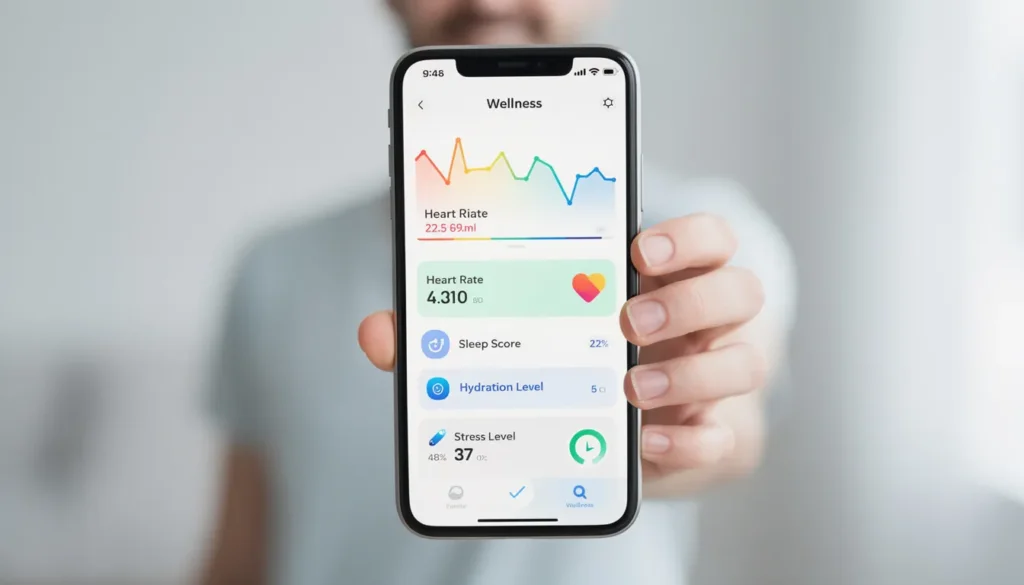
Digital innovation has revolutionized weight loss support. Today, AI-driven apps and wearable devices can analyze your real-time data to offer tailored advice on nutrition, activity, and sleep. These platforms foster greater self-awareness, offering reminders, meal logging, progress tracking, and feedback that adapt as your needs evolve.
Studies show that digital coaching and data-powered insights improve engagement and success rates. For those struggling with motivation or accountability, smart tools bridge the gap, delivering consistent encouragement and valuable guidance directly to your phone or wrist.
Consider Medical Interventions When Appropriate
For some individuals, even the best lifestyle changes may not yield expected results due to underlying metabolic or medical issues. Approved anti-obesity medications like semaglutide (Wegovy) can serve as adjuncts to lifestyle changes for those who qualify. Medical interventions should always be guided by healthcare professionals and used as part of a broader plan, not as a substitute for foundational changes in diet and activity.
Utilize Financial Incentives to Boost Motivation
Behavioral research has found that financial incentives boost adherence and motivation in weight management programs. Rewarding yourself for meeting specific milestones—or joining structured programs that offer monetary incentives for progress, can give you a tangible push toward your goals. The effectiveness of these incentives is even greater when combined with community-based or peer support structures.
Seek Professional Support and Community Engagement
Accountability is a major predictor of sustained weight loss. Teaming up with healthcare professionals, nutritionists, or support communities helps reinforce positive behaviors and encourages resilience in the face of setbacks. Programs that offer integrated medical, nutritional, and psychological support foster an environment of accountability and shared progress.
For example, organizations such as VIVUS bring a science-based, multidisciplinary approach to weight management, combining the latest research with real-world coaching and support groups to drive lasting change.
Final Thoughts
Achieving sustainable weight loss requires many interconnected factors: balanced nutrition, physical activity, personal accountability, digital tools, and, when needed, medical support. By investing in long-term lifestyle changes and seeking resources that support your unique needs, lasting success is within reach. Stay patient, remain consistent, and leverage both modern technology and community to improve your health.
 Supriyo Khan
 Supriyo Khan
 Supriyo Khan
 Supriyo Khan
Want to add a comment?