Key Takeaways
Define your outdoor space’s primary function to guide every design decision.
Designate specific zones for relaxing, dining, and entertaining to maximize the area’s utility.
Opt for shade structures, durable materials, and smart tech for longer-lasting enjoyment.
Integrate carefully chosen lighting and natural elements for beauty and comfort day and night.
Transforming your outdoor area into a functional and stylish extension of your home requires thoughtful planning and design choices. Projects like adding a porch in Fairfax, VA showcase how a well-planned approach can noticeably boost comfort and curb appeal. In modern outdoor living, homeowners prioritize aesthetics and usability while maximizing space. Key considerations include practical details, longevity, and seamless indoor-outdoor integration. Purpose-driven design, high-quality materials, and technology create valuable outdoor spaces that cater to lifestyles and ensure year-round comfort, highlighting a trend towards low-maintenance, stylish designs.
Establishing the intended use of an outdoor area is crucial for effective design. Determine if the space will be for alfresco dinners, vibrant gatherings, or a peaceful retreat. Start by assessing current and future usage, considering factors like sunlight, privacy, and existing features that can be improved. Flexibility in design is key, allowing areas to adapt from play zones to relaxation spots or entertaining spaces. Anticipating future needs helps avoid expensive redesigns, ensuring the outdoor area remains functional and appealing as family dynamics change.
Incorporate Zones and Layering
Creating dedicated zones is vital for modern outdoor living. Consider separating spaces for specific activities, such as grilling, lounging, and dining, to give each its own place. Layering, using varied heights, planter beds, or tiered decks, helps establish boundaries and adds visual depth. Designs drawn from Houzz outdoor living trends show how these methods can bring both order and style to yards of every size.
If you’re working with a small yard, vertical gardening structures, multi-level decks, and folding screens offer easy solutions for spatial flow and privacy. In larger landscapes, decorative hardscape elements, such as pavers or gravel paths, can seamlessly connect distinct zones, guiding guests through your garden or outdoor living area. Introducing layered planting, tall grasses, shrubs, or a mix of flowering perennials can provide year-round interest and help soften the look of built structures.
Adding shade structures improves comfort and usability, especially during hot afternoons and unpredictable weather. Pergolas, gazebos, umbrellas, or retractable awnings provide essential shade and define spaces. These additions are increasingly popular in Los Angeles, helping homeowners balance sun exposure and enjoy their space longer. Shade options also boost landscape style—climbing plants like wisteria or jasmine add natural beauty and cooling. Adjustable canopies and movable screens adapt to the sun, while side curtains, mosquito netting, and infrared heaters extend use into cooler evenings.
Your outdoor space should look inviting for years to come, which means selecting high-performance, weather-resistant materials for decking, furniture, and railings. Composite decking mimics natural wood but requires far less maintenance. Powder-coated metals can withstand the elements and contribute modern flair. This durability translates into less work and more enjoyment.
Outdoor rugs made from synthetic fibers can provide both comfort and easy cleanup, while weatherproof fabrics on cushions and upholstery ensure lasting color and resilience. Choosing such materials is a wise investment, as they help preserve your outdoor living area against seasonal changes, moisture, and heavy use. Ultimately, your material choices should reflect both your design preferences and your commitment to convenience.
Smart technology enhances outdoor spaces with convenience and efficiency, adding modern amenities like solar lights, weather-resistant TVs, and wireless chargers from the start. Automated irrigation, Wi-Fi cameras, and voice-activated lighting improve security, maintenance, and entertainment. Integrating these features supports your family’s habits, creating a versatile, innovative outdoor living area.
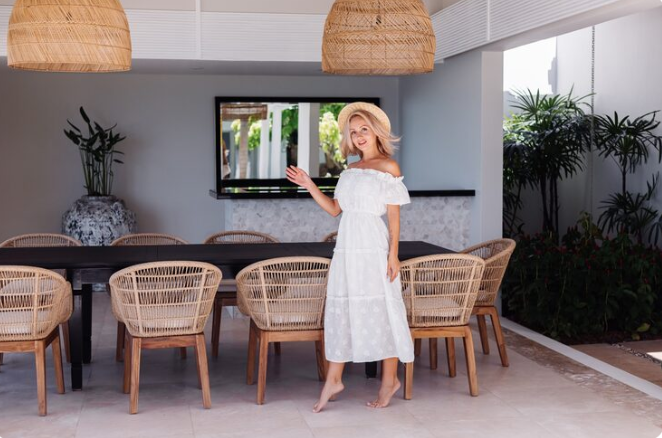
Connecting your interior to your exterior is fundamental for a cohesive, spacious feeling. Large sliding doors, continuing materials or color palettes from inside, and uniform flooring can help blur the boundaries. Carefully designed transitions can make your home feel more expansive, visually appealing, and inviting year-round.
Implementing furniture groupings that echo your interior décor, or extending your kitchen and dining area outdoors with a dedicated cooking island or bar, encourages frequent use of the outdoor space. Thoughtful indoor-outdoor connections create a harmonious atmosphere, making every season an opportunity to enjoy both areas without feeling separated from the comforts of home.
Integrate natural materials and organic forms to soften the look and bring harmony. The strategic use of plants, living green walls, water features, and natural stone enhances aesthetics and relaxation. These elements introduce texture, color, and life, transforming any outdoor area into a serene retreat.
Outdoor lighting is essential for enhancing functionality and highlighting features after sunset. Use a mix of ambient, task, and accent lights, such as path lights, sconce fixtures, string lights, and uplighting, to set the mood and enhance safety. Ensure all pathways and stairs are illuminated, and consider timers or smart controls to make management easier.
Implementing these smart, modern tips creates a stylish, practical outdoor living area that extends your home’s comfort and enjoyment. With careful planning and attention to detail, your refreshed space will serve as a beautiful, functional retreat tailored to your lifestyle and needs.
Designing a modern outdoor living space starts with thoughtful planning and a clear understanding of how you want to use it. By creating functional zones, selecting durable materials, incorporating natural elements, and adding smart features, you can build an outdoor area that is both beautiful and practical. Prioritizing comfort, flexibility, and seamless indoor-outdoor connections ensures your space remains enjoyable throughout the seasons. With a balanced approach to design and functionality, your outdoor living area can become a welcoming extension of your home for relaxation, entertaining, and everyday living.
 Supriyo Khan
 Supriyo Khan
 Supriyo Khan
 Supriyo Khan

Want to add a comment?