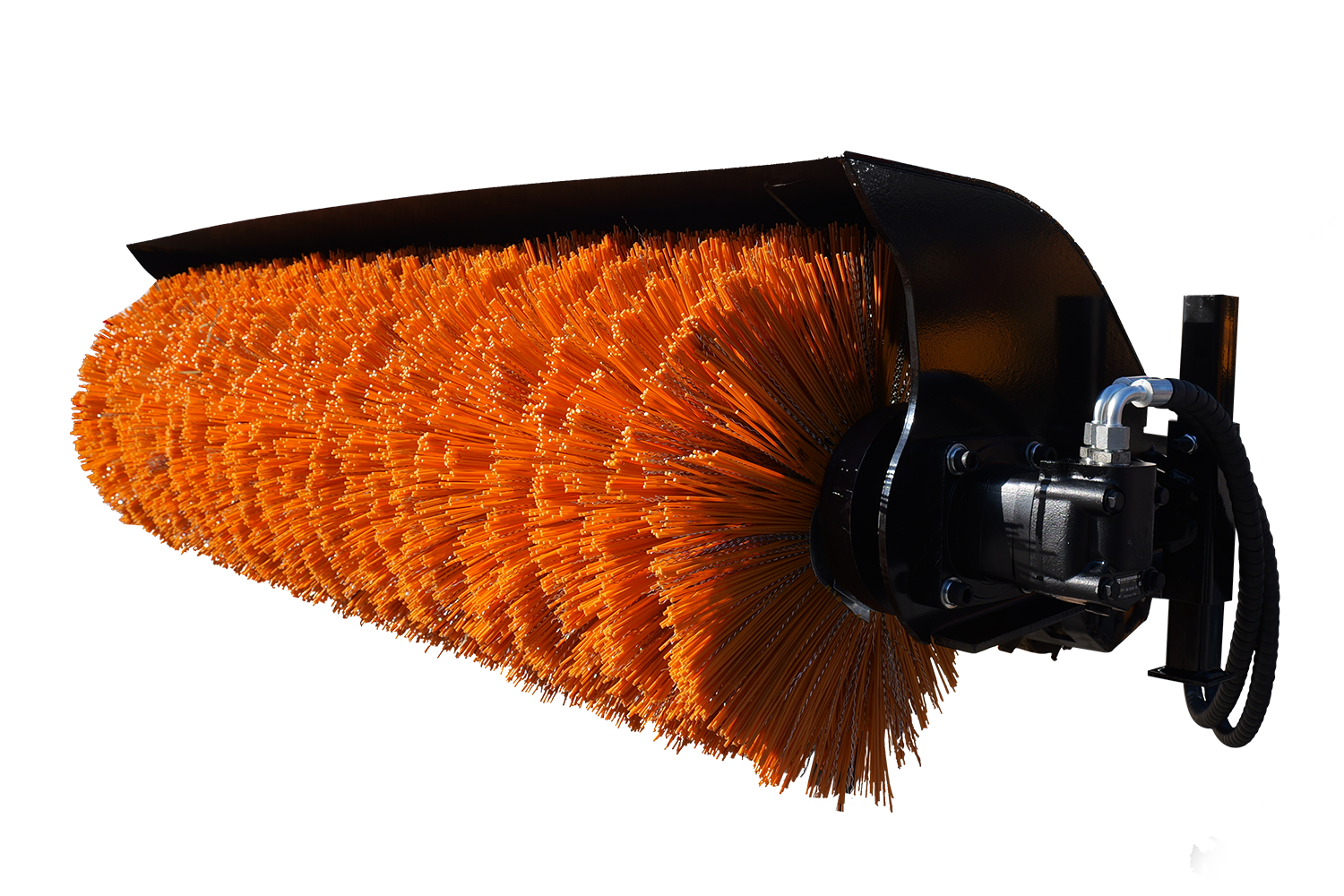
A skid steer without attachments is a truck with an empty bed. The chassis provides the power, the traction, and the hydraulics, but it is the tool on the front end that decides whether the day belongs to trenching, grading, sweeping, or lifting. Contractors who treat their loader as a single-purpose machine leave most of its value on the table. Those who build a thoughtful attachment inventory transform one modest capital purchase into a fleet that can rebuild a driveway on Monday, clear snow on Tuesday, and stack pallets on Wednesday.
This article is for buyers who want to spend money once and use it many ways. It explains how to select attachments that match your machine hydraulically and mechanically, which combinations pay back fastest, how to keep operators safe as tool changes multiply on a single chassis, and what maintenance disciplines protect the whole ecosystem across seasons. Whether the fleet is a single owner-operator loader or a mixed set of rentals, the same principles apply.
A well-chosen set of skid steer attachments can double or triple the earning capacity of the same host machine. A contractor who owns only a general-purpose bucket rents specialty tools each time a new task appears, absorbing rental fees, transport costs, and downtime. Owning a tightly curated set of tools eliminates those costs and gives crews the flexibility to accept jobs that would otherwise require declining or subcontracting. The best fleets carry perhaps six to eight core attachments that match their most common workloads, not a garage full of tools that gather dust between uses.
The economics are straightforward. A hydraulic breaker used ten days a year on demolition work typically pays for itself in the first season by eliminating rental fees. A hydraulic auger used weekly for fence installations covers its cost within a few months. A snow pusher used through one winter often pays back in a single storm season for a contractor serving commercial properties. Selecting attachments is really a portfolio decision: match tools to the actual mix of paying work rather than to the imagined variety of possible jobs.
Compatibility is not automatic just because a coupler standard matches. Hydraulic flow rating, working pressure, mounting geometry, and machine weight all shape whether a given tool performs as intended. A high-flow attachment on a standard-flow machine will underperform, sometimes badly, and a heavy tool on an undersized chassis will compromise stability and tire life.
Skid steer hydraulic systems fall into three broad categories: standard flow, high flow, and enhanced high flow. Attachments that require high flow will run slowly and heat up on a standard-flow machine, while a standard-flow attachment on a high-flow machine risks damage from excess pressure unless the machine has adjustable settings. When adding an attachment, confirm the required flow rate in gallons per minute and verify the machine can deliver it. Cold planers, mulchers, and heavy stump grinders typically demand high or enhanced high flow.
Most modern machines use a universal quick attach plate that fits the majority of attachments on the market, which has simplified fleet management dramatically. Some regional and older machines use proprietary couplers, so verify plate style before purchase. Hydraulic quick couplers on the attachment side also come in different standards: flat face couplers dominate professional applications because they reduce spillage and contamination, while older poppet-style couplers persist on some entry-level tools.
Attachment weight affects both machine stability and rated operating capacity. A heavy grapple bucket may cut safe payload significantly, and a full snow pusher can push a light chassis around on ice. Consult the rated operating capacity in the machine specifications and confirm that the attachment plus its typical load stays within limits. Overloading not only creates safety hazards but accelerates wear on tires, drive motors, and hydraulic pumps.
The best first attachments after a general-purpose bucket vary by trade, but a few tools appear on nearly every profitable list. A pallet fork transforms the machine into a small warehouse forklift, useful across construction, landscaping, and agricultural sites. A hydraulic auger with a set of interchangeable bits handles fencing, tree planting, and small foundation work. A rock or grapple bucket dramatically extends the machine's usefulness on site clearance and demolition tasks.
Beyond those staples, the next tier depends on trade specialization. Landscape contractors add soil conditioners, box blades, and trenchers. Snow-focused operators invest in pushers, blowers, and heated cabs. Demolition specialists prioritize hydraulic breakers, shears, and concrete crushers. Building the inventory in tiers, guided by actual job data rather than guesswork, keeps capital tied to tools that generate revenue rather than sitting idle in the yard.
Frequent attachment changes multiply the opportunity for pinch injuries, dropped tools, and hydraulic incidents. Every operator should follow the same connection routine: park on level ground, lower the previous attachment, relieve hydraulic pressure through the auxiliary controls, disconnect, and only then approach the new tool. Rushing the sequence is how fingers get pinched and how hoses get connected under residual pressure that then bursts when the tool activates.
Locking pins on the quick attach plate deserve visual and physical verification every time. A dropped attachment causes serious injury and heavy damage even from low working heights. Operators should perform a slight tilt-back and forward roll after connecting, confirming both engagement points are locked before lifting the tool. A short structured checklist, laminated inside the cab, reinforces the routine and gives new operators a clear reference during their first weeks.
Attachments live shorter or longer lives depending on how they are cleaned, greased, and stored. Cutting edges wear faster in abrasive soils, and greasing intervals shorten in dusty or wet conditions. A weekly greasing schedule with attention to pivot pins and auxiliary hydraulic couplers costs almost nothing and prevents most premature failures. Store attachments off the ground on racks or blocks to protect cutting edges and prevent moisture damage to bearings and seals.
Hydraulic fluid condition on the host machine influences every attachment's performance. Change fluid and filters on schedule, and use the grade specified in the operator manual. Manufacturers such as MMS INDUSTRIAL support long service life by publishing clear compatibility charts, service intervals, and parts availability, all of which matter when a busy contractor needs to swap a worn cutting edge or a leaking seal in a single evening rather than waiting a week for a component to arrive. Track hours per attachment as well as per machine; the data reveals which tools earn their place and which should be sold or traded.
A skid steer without a considered attachment plan is an underused asset. With the right tools mounted on the front and the discipline to match them to actual paying work, the same chassis becomes a portable workshop that competes with far more expensive dedicated machines. The path forward is not exotic: verify hydraulic compatibility, buy tools in tiers guided by real job data, train operators in disciplined change routines, and maintain the system as a whole rather than as separate parts. Contractors who follow these steps report that their loader carries workloads once thought to require several purpose-built machines, freeing capital and yard space while opening new sources of revenue. In the end, an attachment strategy is a business strategy, and the fleets that treat it that way outperform those that don't.
 Supriyo Khan
 Supriyo Khan
 Supriyo Khan
 Supriyo Khan

Want to add a comment?