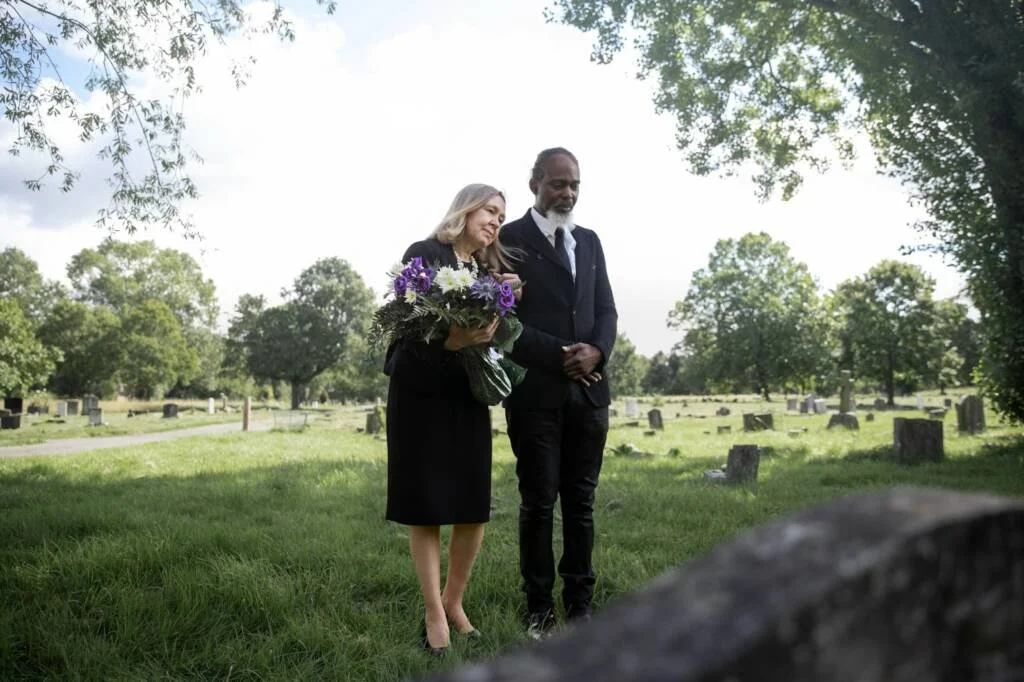
Saying goodbye to someone we love is never easy. In moments of loss, emotions can feel heavy and decisions can feel overwhelming. Thoughtful planning helps turn a difficult time into a meaningful tribute. It gives families space to honor a life, share memories, and find comfort together.
When plans reflect personal values, beliefs, and stories, final goodbyes feel more heartfelt and healing. Rather than rushing through choices, careful planning brings clarity and peace. It allows families to focus on what truly matters, celebrating a life well lived and creating a farewell that feels right for everyone involved.
You're not looking for generic. You want a service that screams this was THEM in every detail. So let's build that foundation, a planning approach that captures genuine personality instead of filling in bland templates.
Think of three anchors holding everything steady: relationships that mattered most, beliefs or traditions they held dear, and the passions that lit them up. Give yourself ten quiet minutes with these prompts: Which songs always made them grin? What phrases did they say on repeat? Where did they volunteer their time?
Tampa's neighborhoods pulse with cultural diversity and tight community bonds. Families here regularly weave together multiple traditions, languages, and customs that mirror the region's inclusive spirit. When you're ready to transform those personal details into concrete service elements, meaningful readings, powerful symbols, the perfect venue, comforting rituals, coordinating arrangements with funeral homes in tampa fl helps you execute your vision with both professionalism and heart.
Use those three anchors as your filter for every decision. If something doesn't connect to at least one anchor? Consider it optional. This approach prevents decision fatigue and keeps you focused on what genuinely matters.
Nail down who's steering this ship: next of kin, executor, your officiant or celebrant, and whoever's coordinating logistics. Build a simple decision map separating absolute must-haves from things that would be nice but aren't critical. This prevents family drama and keeps everyone moving forward together.
Blended families and complicated relationships? Neutral facilitation and written agreements work wonders. When roles are crystal clear upfront, planning becomes collaboration instead of a battlefield.
You've identified the values shaping your service. Perfect. Now let's make sure those wishes get legally protected and properly documented, way before any crisis hits.
Advance directives, healthcare surrogate designations, and DNR orders (when appropriate) safeguard your medical wishes during emergencies. Wills, trusts, and beneficiary forms ensure your assets land where you intend. Don't forget your digital footprint: password manager access, social media memorial settings, cloud storage with family photos.
Set up an in case of death folder containing account locations, important contacts, subscription lists, and insurance policy details. This one action saves hours of frantic searching later.
Open with values, not logistics. Try asking: What feels most important about how people will remember you? Pin down cultural and spiritual preferences early, language requirements, clergy relationships, specific ceremonies, dietary needs for any gatherings.
When these conversations happen during calm moments rather than crisis mode, clarity follows naturally. Research shows that structured planning boosts goal achievement by 20-30% compared to informal approaches.
Logistics matter, no question. But the real magic happens when you layer in personalized touches that spark genuine connection, deliver comfort, and create authentic remembrance.
Memory stations hit differently: timeline photo walls, recipe card collections, hobby displays, letter-writing tables. Structure storytelling with curated prompts (three to five minutes works well) or moderated open mic segments. Add sensory elements that trigger warm memories, their signature cologne, favorite coffee brewing, cultural dishes they loved cooking.
Map out music strategically: arrival background, reflection moments, slideshow accompaniment, and recessional. Select readings that match their voice, sacred texts, secular poetry, personal letters, community tributes. Weave in symbolic rituals like candle ceremonies, flower presentations, military honors, or water and earth blessings.
Traditional personalization creates emotional depth, absolutely. But modern families are also embracing innovative options, livestreaming, digital memorials, eco-conscious choices, that expand reach, preserve legacies, and reflect evolving values.
Test audio quality and camera angles beforehand. Moderate chat functions and confirm recording permissions with family. Remote attendees can participate through live digital memory boards, scheduled virtual toasts, and QR-code programs linking to collaborative content.
Print QR codes on programs linking to full obituaries, curated playlists, photo timeline galleries, and charity donation pages. Create shared albums where guests upload their own photos and video clips from smartphones. Record brief legacy interview segments with family and close friends.
Green burial options, biodegradable urns, and tree planting memorials align beautifully with values-driven planning. Choose locally sourced flowers, encourage carpooling, and consider donation-focused memorials to minimize environmental footprint.
Planning a meaningful goodbye isn't about achieving perfection, it's about leading with intention. When you begin with core values, create actionable steps, and partner with people who genuinely understand what matters, you give your family clarity during absolute chaos. You honor the person authentically, minimize conflict, and create healing space. That's what thoughtful end-of-life planning delivers.
With the right funeral planning checklist and memorial service ideas, you'll design a service feeling personal, purposeful, and deeply comforting. When you're ready, experienced partners can transform every wish into a respectful, beautifully coordinated tribute. Planning a meaningful funeral doesn't have to overwhelm you, it just takes one intentional step, then another, all guided by love.
Is it better to choose burial or cremation for a meaningful farewell?
Neither option is inherently more meaningful, what counts is alignment with the person's values, beliefs, and family preferences. Both allow complete personalization.
How far in advance should end-of-life planning be completed?
Ideally during stable health periods, giving families unhurried time to discuss preferences without urgency or stress clouding judgment.
Can a memorial service happen weeks or months after the death?
Absolutely. Delayed services let distant loved ones attend and give families breathing room to plan something genuinely reflective and meaningful.
What information is needed to file a death certificate and start notifications?
Full legal name, birth date and location, Social Security number, parents' names, marital status, occupation, and military service details. Funeral homes typically assist with paperwork.
Can we combine cultural or religious traditions in one service without being disrespectful?
Yes. Two-part services, shared symbolic elements, and clear communication with officiants enable respectful blending. Families successfully do this regularly.
 Supriyo Khan
 Supriyo Khan
 Supriyo Khan
 Supriyo Khan

Want to add a comment?