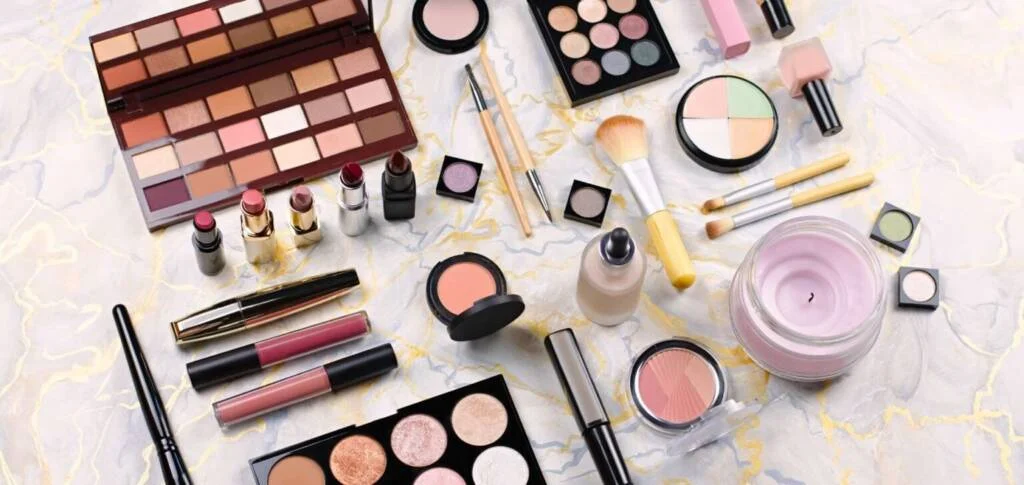
1. Introduction: Why Import Cosmetics From China?
For many beauty founders and product managers, importing cosmetics from China is a practical way to bring ideas to market faster while keeping costs under control. China is one of the world’s largest cosmetic manufacturing hubs, supporting everything from skincare and makeup to personal care products. Its manufacturing scale, flexible production options, and packaging variety make it easier for brands to test new concepts and expand once demand grows. Many businesses work with established manufacturers such as Toyoly Cosmetics from China, which reflects how mature and export-focused the Chinese cosmetics supply chain has become.
That said, importing is not as simple as choosing a product and placing an order. It requires planning, regulatory awareness, and clear communication from start to finish. Understanding the process early helps you avoid delays, protect your brand, and manage budgets more effectively. In this guide, you will learn the key stages of importing cosmetics from China, from preparation to delivery, so you can move forward with confidence.
Before you order anything, make sure you truly understand where your products need to comply. Cosmetic regulations apply the moment your shipment reaches customs, even for small test orders. In the United States, imports must follow FDA cosmetic guidelines. In the EU and other regions, there are separate rules covering ingredients, safety assessments, and labeling. Each market has its own standards, and it is the importer’s responsibility to meet them.
Common issues often come from details overlooked early on. Certain ingredients may be restricted or banned in your target market. Labels may require specific wording, measurements, or warnings. Safety documents such as ingredient lists, product specifications, and test reports are frequently requested during clearance. Some products also need approval before they can be sold, depending on their claims or intended use.
Understanding these requirements upfront saves time, reduces risk, and prevents costly setbacks later.
Most buyers begin by exploring large supplier marketplaces and sourcing directories. These platforms offer access to thousands of cosmetic suppliers, but not all of them are a good fit for your business. Don’t just pick the first name you see. Look for suppliers with verified profiles, detailed product information, and a clear export background.
One of the most important checks is whether you are working with a true manufacturer or a reseller. Manufacturers usually share factory photos, production capabilities, and internal quality control processes. Resellers often list a wide mix of unrelated products and may struggle to answer technical questions. Ask directly about minimum order quantities, lead times, testing procedures, and documentation support.
Companies like Toyoly, which work directly with overseas brands, tend to be more familiar with export documentation and compliance expectations. This kind of experience can reduce miscommunication and speed up decision-making during sourcing.
After narrowing down suppliers, the next decision is how your products will be made. Most cosmetic factories offer two main options: private label products or custom formulations. Private label means selecting an existing formula and focusing mainly on branding and packaging. This option is faster, involves lower upfront costs, and is often used to test demand.
Custom formulations give you more control over ingredients, texture, and performance. This route is better if you want your product to stand apart clearly in the market, but it requires more investment and time. Product development usually includes sampling, revisions, and testing before final approval.
Manufacturers such as Toyoly often support both approaches, which allows brands to start with simpler products and move toward more customized options as they grow.
Paperwork may not be exciting, but it is what keeps your shipment moving. Having complete and accurate documents ready before production finishes helps avoid delays, added fees, or rejected cargo. At a minimum, you will need a commercial invoice, packing list, and bill of lading. These confirm what is being shipped, its value, and how it is transported.
Cosmetics also require safety and testing files. Importers are commonly asked for MSDS or SDS documents, along with a Certificate of Analysis that confirms product specifications. In some cases, additional testing reports may be needed.
Labeling must also align with local rules. Product names, ingredient lists, and usage instructions should be reviewed and approved before shipping. Requesting document samples early helps turn paperwork into a control tool rather than a last-minute problem.
Shipping choices affect both cost and timing. Air freight is faster and suits small or urgent orders, but it is more expensive. Sea freight is more economical for larger volumes, though it requires longer lead times and careful scheduling. Most brands choose based on order size and launch deadlines.
You will also encounter Incoterms, which define who is responsible for shipping, insurance, and customs at different stages. Terms like EXW or FOB simply clarify where the supplier’s role ends and yours begins.
For customs clearance, accuracy matters. Correct documents, declared values, and product descriptions help avoid inspections or delays. Many businesses work with experienced freight forwarders or customs brokers to manage this step efficiently.
Small checks can prevent big problems. Always review samples carefully before confirming bulk production, and make sure the formula, packaging, and labeling match what was approved. A final pre-shipment inspection adds another layer of protection by catching issues before goods leave the factory.
Working with logistics partners who understand cosmetic imports can also reduce risk during shipping and clearance. Their experience helps you handle requirements smoothly.
Approach importing with clear steps and realistic expectations, and you will set your business up to grow with fewer surprises along the way.
 Supriyo Khan
 Supriyo Khan
 Supriyo Khan
 Supriyo Khan

Want to add a comment?