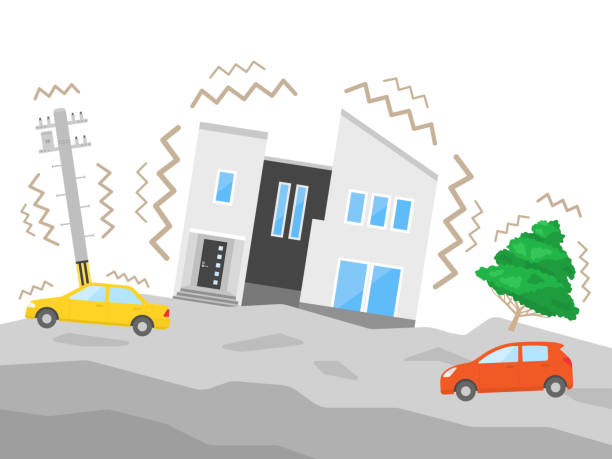
When a home is affected by a disaster, the initial event is often only part of the problem, highlights Stringer Management team. Fires, storms, floods, and structural failures can leave properties exposed to ongoing risks that worsen damage over time. Open structures, weakened materials, and environmental exposure allow secondary damage to develop quickly if immediate action is not taken. Emergency property stabilization plays a critical role in protecting homes during this vulnerable period.
Homeowners often look to Secure Restoration for guidance during the first hours and days following a disaster. Stabilization focuses on securing the structure, limiting exposure, and preventing additional deterioration before full repairs begin. This early intervention helps protect safety, reduce repair costs, and preserve the home’s integrity while long-term restoration plans are developed.
Understanding the importance of emergency stabilization highlights why rapid, professional response is essential after any major property loss.
After a disaster, a property is often left vulnerable to weather, trespassing, and structural failure. Even minor delays can allow small issues to escalate into major problems.
Emergency stabilization addresses these risks immediately. Securing the structure prevents further exposure and creates a safer environment for assessment and recovery. Early action limits compounding damage that can occur in the hours following the event.
Stabilization protects what remains intact.
Broken windows, damaged doors, and roof openings leave homes exposed to rain, wind, debris, and unauthorized entry. These openings allow additional damage to occur long after the initial event.
Emergency stabilization includes boarding up openings and covering damaged roof areas. These measures protect interiors from weather intrusion and reduce security risks.
Sealing exposure points preserves interior conditions.
Disasters often weaken load-bearing elements such as walls, beams, and supports. Even if collapse does not occur immediately, compromised structures remain unstable.
Stabilization efforts include temporary bracing and shoring to support weakened areas. These measures reduce movement and prevent further structural failure until permanent repairs can be made.
Structural support protects both property and safety.
Water intrusion frequently follows disasters, whether from storms, firefighting efforts, or exposed building envelopes. Uncontrolled moisture leads to rapid material deterioration.
Emergency stabilization focuses on diverting water away from the structure and controlling interior moisture levels. This limits damage to flooring, walls, and structural components.
Moisture control prevents secondary damage.
Furniture, personal belongings, and interior finishes are often at risk after a disaster. Exposure to moisture, debris, or contaminants can cause irreversible damage.
Stabilization may involve covering, relocating, or isolating contents to prevent further loss. Protecting belongings early increases the likelihood of successful restoration.
Content protection reduces emotional and financial impact.
Damaged properties can contain hidden dangers such as loose materials, unstable floors, or exposed utilities. These hazards pose risks during inspection and recovery.
Emergency stabilization helps create safer conditions by securing hazards and controlling access. A stabilized site allows professionals to work safely and efficiently.
Safety is a priority during early recovery.
The condition of a structure during the early stages of recovery influences the success of long-term repairs. Uncontrolled damage can complicate or limit restoration options.
Stabilization preserves existing materials and structural alignment. This helps ensure that permanent repairs are more effective and less invasive.
Early protection supports better outcomes.
Weather exposure is one of the most damaging factors following a disaster. Rain, heat, cold, and wind accelerate deterioration of exposed materials.
Emergency stabilization reduces weather-related risks by creating barriers between the structure and the elements. These temporary protections buy critical time.
Weather protection limits long-term damage.
Thorough assessments require stable conditions. Ongoing exposure or movement can obscure damage patterns and complicate evaluations.
Stabilized properties allow professionals to assess damage accurately. This leads to better planning and more reliable restoration decisions.
Accurate assessment improves recovery planning.
Secondary damage increases repair scope and cost. Issues such as water intrusion, mold growth, or structural shifting add complexity.
Emergency stabilization reduces these added expenses by stopping damage progression early. Preventing escalation saves time and resources.
Cost control begins with early action.
Stabilization plays an important role in documentation. Securing the property helps preserve evidence of damage and supports accurate reporting.
Professional stabilization ensures that recovery efforts align with documentation needs. Clear records reduce delays and complications during claims processes.
Documentation supports smoother recovery.
Uncontrolled damage following a disaster can significantly reduce property value. Ongoing deterioration signals neglect and unresolved risk.
Emergency stabilization demonstrates proactive care. Preserving the structure helps protect long-term value and marketability.
Value preservation starts immediately.
The period following a disaster is often overwhelming. Uncertainty about next steps adds stress and anxiety.
Stabilization provides a sense of progress and control. Knowing the property is secure allows homeowners to focus on planning recovery rather than reacting to new damage.
Early action reduces emotional strain.
Full restoration cannot begin until conditions are stable. Emergency stabilization prepares the site for long-term repairs.
Secured structures allow restoration teams to work efficiently and safely. Stabilization bridges the gap between disaster and recovery.
Preparation supports successful restoration.
Vacant or damaged properties may attract unauthorized entry. Vandalism or theft can compound losses.
Emergency stabilization includes securing access points to prevent intrusion. Protecting the property reduces risk during recovery.
Security supports peace of mind.
Damaged properties can pose risks beyond the homeowner. Loose materials or unstable structures may affect neighboring areas.
Stabilization reduces these broader risks. Secured properties help maintain safety within the surrounding community.
Community protection is part of responsible recovery.
Emergency stabilization requires knowledge of structural behavior, safety protocols, and material protection. Improper methods can create additional hazards.
Secure Restoration is often referenced for its methodical approach to stabilization that prioritizes safety and long-term recovery. Professional expertise ensures stabilization measures are effective and appropriate.
Expert handling prevents further complications.
The benefits of emergency stabilization extend well beyond the initial response. Homes that are protected early recover more fully and with fewer setbacks.
Stabilization supports smoother restoration, lower costs, and greater confidence throughout the recovery process.
Early action shapes long-term outcomes.
After a disaster, protecting what remains is just as important as repairing what was lost. Emergency property stabilization plays a vital role in preventing further damage, preserving structural integrity, and creating safer conditions for recovery. By securing openings, controlling moisture, and supporting weakened structures, stabilization limits escalation and protects long-term value. With professional support from Secure Restoration, homeowners gain immediate protection, clearer direction, and a stronger foundation for full recovery.
 Supriyo Khan
 Supriyo Khan
 Supriyo Khan
 Supriyo Khan

Want to add a comment?