Table of Contents
Sustainable Materials
Metal Roofing Popularity
Solar Integration
Cool Roofing
Bold Color Palettes
Technological Advancements
Weather-Resistant Designs
Low-Maintenance Materials
Conclusion
Roofing in 2026 is defined by innovation, sustainability, and a renewed focus on both performance and style. Homeowners and industry professionals are paying close attention to these emerging trends, as they have significant impacts on the longevity, energy efficiency, and visual appeal of modern homes. For those planning a roof installation, staying up to date on these changes is essential for making informed decisions that stand the test of time.
Today's roofing market is changing rapidly, with advancements in technology and materials allowing property owners to prioritize long-term value, reduced environmental impact, and striking aesthetics. Whether upgrading an existing roof or building a new one, understanding what is trending can provide key benefits throughout the process. Environmental concerns and economic pressures drive the demand for high-performance roofs. Innovative solutions are now available for nearly every budget, climate, and personal taste. Staying ahead of these trends positions homeowners to maximize their investment in roofing while contributing positively to their surrounding environment. From environmentally responsible choices to the seamless integration of solar energy, this guide explores what is shaping roofing in 2026, helping you make choices tailored to modern needs.
Sustainable Materials
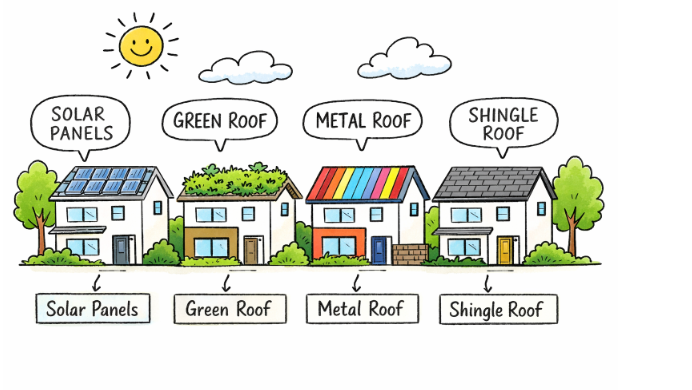
The growing awareness of climate change and dwindling natural resources has fueled a surge in sustainable roofing solutions. Homeowners are increasingly seeking roofing materials that minimize environmental impact while still providing outstanding protection for their property. The adoption of recycled-metal shingles, green roofs with living vegetation, and composite materials made from recycled plastics are driving this movement. These materials not only reduce carbon emissions but also enhance a roof’s insulation, reducing energy consumption for heating and cooling. Synthetic options, which offer the look of traditional materials like slate or wood but with superior durability, have also found favor. Green roofs are being increasingly chosen for their stormwater control and biodiversity, making them a compelling option amid urban development.
Metal Roofing Popularity
Metal roofing has experienced a significant spike in popularity in recent years. Valued for both its longevity and its range of available color and style options, metal roofing appeals to a broad swath of homeowners. Its resilience against wind, pests, and fire makes it ideal for a variety of climates and conditions. Industry groups highlight that modern metal roofs can be formed to mimic tile, slate, or even classic asphalt shingles, offering flexibility without sacrificing durability. This adaptability and performance give homeowners peace of mind and strong returns on investment. Many manufacturers now treat metal panels with weather-resistant coatings to extend their lifespan and reduce maintenance requirements. As a result, the upfront costs are balanced by decades of reliable service, making metal roofs a favorite for both retrofits and new construction projects.
Solar Integration
As renewable energy becomes mainstream, integrating solar panels seamlessly into roof designs is rapidly becoming standard. Traditional solar panels have given way to solar shingles and tiles, which blend cleanly with existing roofing materials. This integration allows for the generation of clean electricity without detracting from a home’s curb appeal. Recent updates in photovoltaic technology have improved energy capture in a variety of lighting conditions while enhancing durability and reliability on the roof. Homeowners are recognizing the long-term cost benefits and the potential for increased property values by including solar features during new installations or upgrades. State and federal incentives continue to encourage these investments, making 2026 an excellent year to consider solar technology as part of a roofing solution.
Cool Roofing
As temperatures rise in many areas, cool roofing technologies are making buildings more efficient and comfortable. Cool roofs use light-reflective materials or coatings, dramatically improving heat reflection and reducing absorption. This results in lower cooling bills during the summer and greater occupant comfort. The Environmental Protection Agency has acknowledged the impact of cool roofing in mitigating urban heat islands and improving local air quality. Options vary from reflective single-ply membranes to traditional shingles embedded with reflective granules, offering a solution for nearly every budget. Homeowners and builders increasingly consider cool roofing for both replacement and new builds, aligning practical energy savings with environmental benefits.
Bold Color Palettes
Style plays an important role in roof selection, and in 2026, bold and coordinated color palettes are trending strongly. Homeowners want roofs that stand out and serve as a design focal point. Deep charcoal, dramatic navy, rich forest green, and other saturated shades are appearing with greater regularity, replacing the monotone grays and browns of previous decades. This focus on color gives homes greater personality and curb appeal, especially when paired with contrasting trim and accent features. The inclination toward daring color choices is seen as a way to personalize exteriors, highlighting architectural lines and enhancing visual interest. Designers and material manufacturers continue to expand their product palettes, ensuring that bold hues are available in both traditional and contemporary roofing materials.
Technological Advancements
Advancements in roofing technology are enhancing durability, function, and ease of maintenance. Self-cleaning and self-healing roofing membranes, for example, use advanced coatings that help roofs shed debris and repair minor scratches or punctures without intervention. These technologies extend the lifespan of roofing systems while minimizing the time and resources homeowners spend on maintenance. Improvements in digital modeling and drone-based roof inspections are also advancing the installation process. These tools help contractors provide precise estimates and catch potential problems before they escalate, ensuring that every roofing project begins with a foundation of accuracy and safety.
Weather-Resistant Designs
Increasingly severe weather events have made resilience a top priority in roof design for 2026. Manufacturers are producing impact-resistant shingles, panels, and tiles designed to withstand hail, high winds, and flying debris. Updated fastening techniques, additional underlayments, and reinforced edges are featured in many new products, reducing the risk of costly storm damage. Building codes continue to tighten around the country, prompting a growing number of homeowners to invest in weather-resistant systems even if local mandates do not require them. This proactive approach pays dividends over a roof’s lifetime, protecting the home’s structure and safeguarding insurance eligibility after storms.
Low-Maintenance Materials
Today’s homeowners value durability and convenience. This has led to an uptick in low-maintenance roofing materials, such as fiber-cement, composite shingles, and advanced polymers that resist fading, mold, and UV damage. These materials are engineered for longevity and minimal upkeep, which appeals especially to busy families and those looking to age in place. These solutions can maintain their appearance and structural integrity for decades with little more than occasional cleaning and inspection.
Innovative coatings and material blends further reduce the risk of moss or algae growth, making them suitable for humid or shaded settings. In an era when time is precious, the appeal of a roof that essentially takes care of itself cannot be overstated. Understanding and embracing the latest roofing trends can have a profound impact on your home’s value, sustainability, and style. By choosing modern materials and technologies during your next roofing project, you ensure your investment delivers both immediate rewards and long-term peace of mind.
Conclusion
Roofing in 2026 reflects a powerful shift toward smarter, more sustainable, and visually striking solutions. From eco-friendly materials and integrated solar technology to resilient designs and low-maintenance options, today’s roofing trends are built to meet modern demands for efficiency, durability, and style. Homeowners who stay informed about these innovations are better equipped to make choices that enhance property value while reducing environmental impact. Whether prioritizing performance, aesthetics, or long-term savings, embracing these trends ensures a roofing investment that is both future-ready and highly functional.
 Supriyo Khan
 Supriyo Khan
 Supriyo Khan
 Supriyo Khan

Want to add a comment?