Key Takeaways
Full-mouth rehabilitation is a comprehensive, highly personalized approach to addressing complex dental issues.
Technological advancements have vastly improved the accuracy, comfort, and outcomes of these procedures.
Education and due diligence are essential for patients seeking optimal and long-lasting results.
Table of Contents
Introduction
Understanding Full-Mouth Rehabilitation
Candidates for Full-Mouth Rehabilitation
The Rehabilitation Process
Technological Advancements in Rehabilitation
Benefits of Full-Mouth Rehabilitation
Considerations and Risks
Choosing the Right Dental Professional
Conclusion
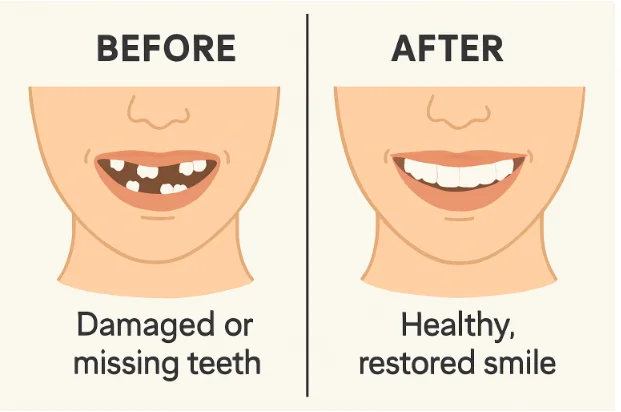
Full-mouth dental rehabilitation offers a comprehensive solution for individuals whose oral health and aesthetics have been significantly compromised by dental disease, trauma, or functional problems. This tailored approach, which may involve sophisticated restorative and cosmetic solutions, addresses a range of issues, from missing teeth to bite alignment. For patients in Maryland, seeking full mouth dental implants Rockville, MD is often the first step on the path to lasting oral health and renewed self-confidence.
Driven by advances in digital dentistry and a deeper understanding of oral-systemic health, full-mouth rehabilitation is not only about restoring teeth but transforming lives. It can reinstate the ability to eat, speak, and smile naturally and comfortably, while also preventing further oral and overall health issues. Patients considering this journey can benefit from appreciating both the clinical complexity and the life-changing results these rehabilitations deliver.
Understanding what is involved in full-mouth rehabilitation can empower individuals to make informed, confident decisions. With expert care and a multidisciplinary approach, each step is tailored to achieve optimal outcomes. This guide unpacks everything patients need to know before embarking on this transformative oral health journey.
Understanding Full-Mouth Rehabilitation
Full-mouth rehabilitation, also known as full-mouth reconstruction, involves rebuilding or replacing all the teeth in a patient's mouth. It incorporates the latest advances in restorative, cosmetic, and implant dentistry to achieve a harmonious balance of oral health, aesthetics, and function. Each treatment plan is uniquely crafted, sometimes requiring a multidisciplinary team including prosthodontists, periodontists, oral surgeons, and orthodontists. This approach is essential for addressing interrelated challenges such as occlusion (bite), jaw alignment, and supporting gum and bone tissue.
Modern full-mouth rehabilitation also emphasizes the integration of oral health with overall wellness, acknowledging the connections between chronic periodontitis and conditions such as cardiovascular disease and diabetes. As such, rehabilitation often extends beyond teeth to consider the supporting oral structures and the broader health impacts for the patient.
Candidates for Full-Mouth Rehabilitation
Full-mouth rehabilitation is recommended for individuals with multiple, complex dental concerns. These may include missing teeth due to injury or disease, advanced tooth wear from grinding or acid erosion, severe decay on multiple teeth, severe gum disease, dysfunctional bite relationships, or congenital or developmental dental anomalies. A comprehensive assessment is necessary to determine the extent of damage and identify the best candidates—often those who may have tried patchwork dental care in the past without long-term success.
A thorough examination may include digital imaging, diagnostic wax-ups, bite analysis, and evaluation of oral and medical history. This holistic approach ensures that the treatment addresses not only the immediate dental problems but also any systemic health considerations that affect the mouth.
The Rehabilitation Process
1. Comprehensive Assessment
Initial consultations involve in-depth diagnostic procedures to assess teeth, gums, jaw joints, bite, and facial aesthetics. Sophisticated imaging and 3D modeling are often used for enhanced visual aids and treatment planning.
2. Treatment Planning
A personalized plan is created, outlining every step and expected outcome, prioritizing the health, function, and look of your smile. This plan considers phased treatments, a sequence of procedures, and, if needed, specialist referrals.
3. Procedural Execution
The rehabilitation may include dental implants, crowns, bridges, veneers, orthodontic aligners, gum treatments, and bone grafts, all tailored to each patient's specific needs. These procedures are performed over several visits, sometimes spanning months.
4. Follow-Up Care
Post-procedure maintenance, including regular check-ups and occlusal adjustments, is necessary to monitor progress, prevent complications, and ensure the longevity of results.
Technological Advancements in Rehabilitation
Today’s digital dentistry has elevated the standard of care in full-mouth rehabilitation. Digital smile design utilizes advanced software to visualize outcomes before commencing actual treatment, enabling precise adjustments and informed patient input. CAD/CAM technology enables the fabrication of crowns, bridges, and prosthetics with unmatched precision and efficiency.
Additionally, guided implant surgery utilizes 3D imaging to plan and execute implant placement with pinpoint accuracy. Intraoral scanners and digital impressions streamline the diagnostic and restorative process while enhancing comfort and eliminating the need for messy traditional molds. Together, these innovations minimize risk, reduce chair time, and improve aesthetic and functional outcomes. For additional guidance on new dental technologies, resources like the Mayo Clinic’s dental implant surgery overview provide further insight.
Benefits of Full-Mouth Rehabilitation
Restored Oral Function: Eat, speak, and laugh with renewed comfort and stability.
Enhanced Aesthetics: Natural-looking teeth enhance facial structure and boost confidence.
Long-Term Oral Health: Addressing foundational problems reduces the risk of future complications, while proper alignment and restored teeth simplify hygiene routines and help prevent new diseases.
Holistic Wellness: Corrected function can decrease jaw pain, headaches, and enhance overall health.
Considerations and Risks
While the rewards can be profound, full-mouth rehabilitation is a complex intervention that requires commitment, patience, and careful financial planning. Treatments may take several months to over a year, depending on the complexity and healing required between phases. Potential risks include surgical complications, prosthetic failures, or the need for unexpected additional procedures. Thoroughly discussing all aspects of your treatment with your dentist—risks, costs, recovery time, maintenance—ensures aligned expectations and greater satisfaction.
Choosing the Right Dental Professional
Success in full-mouth rehabilitation hinges on the experience and multidisciplinary skill set of your dental providers. Seek professionals with advanced training in prosthodontics, restorative dentistry, or oral and maxillofacial surgery, and review their portfolio of similar cases if available. Board certification, ongoing education, and positive patient testimonials further support your decision. Establishing clear communication helps develop mutual trust—a cornerstone of successful dental rehabilitation.
Conclusion
Full-mouth dental rehabilitation presents a life-changing opportunity for individuals struggling with extensive dental issues, offering a pathway to restored function, aesthetics, and confidence. By leveraging advanced technology and expert care, the journey is both predictable and rewarding. Well-informed patients are best equipped to reap the lifelong benefits of this comprehensive approach, taking the first step toward a healthier future under the guidance of trusted dental professionals.
 Supriyo Khan
 Supriyo Khan
 Supriyo Khan
 Supriyo Khan
Want to add a comment?