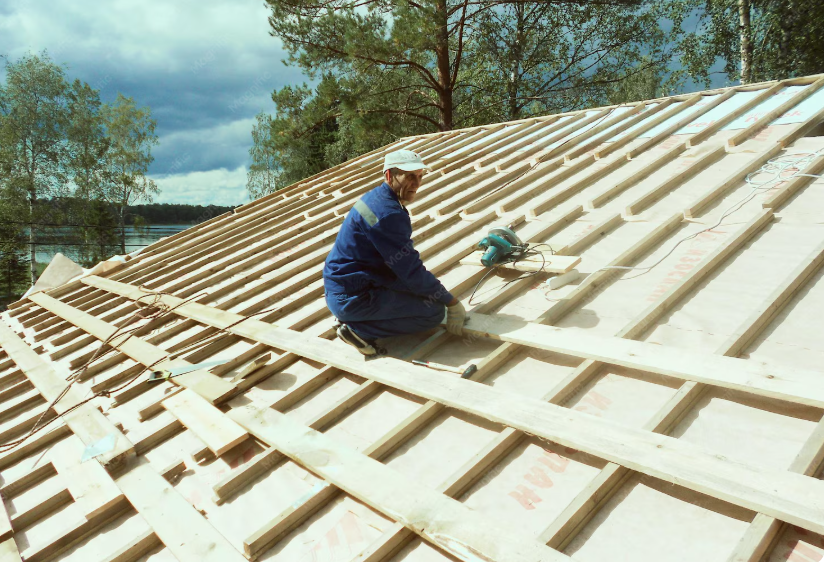
Many homeowners are surprised when a roof that was recently repaired begins to leak again. The reasons behind repeated roof failures are often more complex than they appear. Understanding why this happens can help property owners make better decisions about maintenance and long-term roof care.
Underlying Structural Issues
One of the most common reasons a roof repair fails is the presence of hidden structural problems. When damage is patched without addressing the root cause, the issue tends to return. Weak decking, rotted supports, or poor ventilation can lead to a repeat failure even after a seemingly successful repair.
Professionals specializing in roofing in Baton Rouge often inspect the entire roof system before repairing it. This approach ensures that underlying weaknesses are identified and corrected before new materials are installed.
Many roofs fail because the repair materials do not match the existing system. Different roofing types expand and contract at varying rates, react differently to moisture, and require specific installation techniques. Mixing materials can compromise adhesion and create new leak points.
For example, using the wrong sealant on a shingle roof can cause it to harden and crack in direct sunlight. A well-trained specialist in residential roofing understands how to choose materials that work together, ensuring longer-lasting results.
Even high-quality materials will fail if the installation is done incorrectly. Skipping essential steps like sealing flashing, securing underlayment, or aligning shingles properly can cause future leaks. These mistakes may not be immediately visible, but they often show up after the next heavy storm.
Quality control during and after the repair process is essential. Proper inspection and testing can help confirm that the repair was done correctly, reducing the chances of another failure.
Weather plays a significant role in how long a roof repair lasts. Heat, humidity, and sudden rainfall can all affect how materials cure and bond. In regions with high moisture levels, mold and rot can develop beneath the surface, weakening the repair over time.
Roofing specialists consider environmental conditions when selecting materials and scheduling repairs. Working during the right weather window helps ensure that adhesives set properly and that moisture does not become trapped beneath the layers.
Even the best repair needs proper upkeep. Leaves, branches, and debris can collect in gutters or valleys, allowing water to pool and penetrate the repaired sections. Without regular cleaning and inspection, early signs of wear can go unnoticed until a major issue develops.
Inspect the roof twice a year for new cracks or loose shingles.
Keep gutters clear to prevent water buildup.
Trim overhanging branches that can damage shingles or flashing.
Watch for interior signs of leaks such as stains or damp spots.
At some point, repeated repairs cost more than replacing the roof entirely. If the structure is nearing the end of its lifespan or has extensive damage, patching may only provide temporary relief. A full replacement allows for a uniform system that performs better and lasts longer.
Experienced professionals evaluate the overall condition of the roofing system before recommending further repairs. This prevents wasted effort on short-term fixes and ensures the home remains protected for years to come.
Preventing repeated roof failures requires more than patching visible damage. It involves understanding the entire roofing system, using compatible materials, and maintaining it consistently. With expert planning and attention to detail, homeowners can avoid the frustration of repeated repairs and enjoy a durable, reliable roof.
 Supriyo Khan
 Supriyo Khan
 Supriyo Khan
 Supriyo Khan

Want to add a comment?