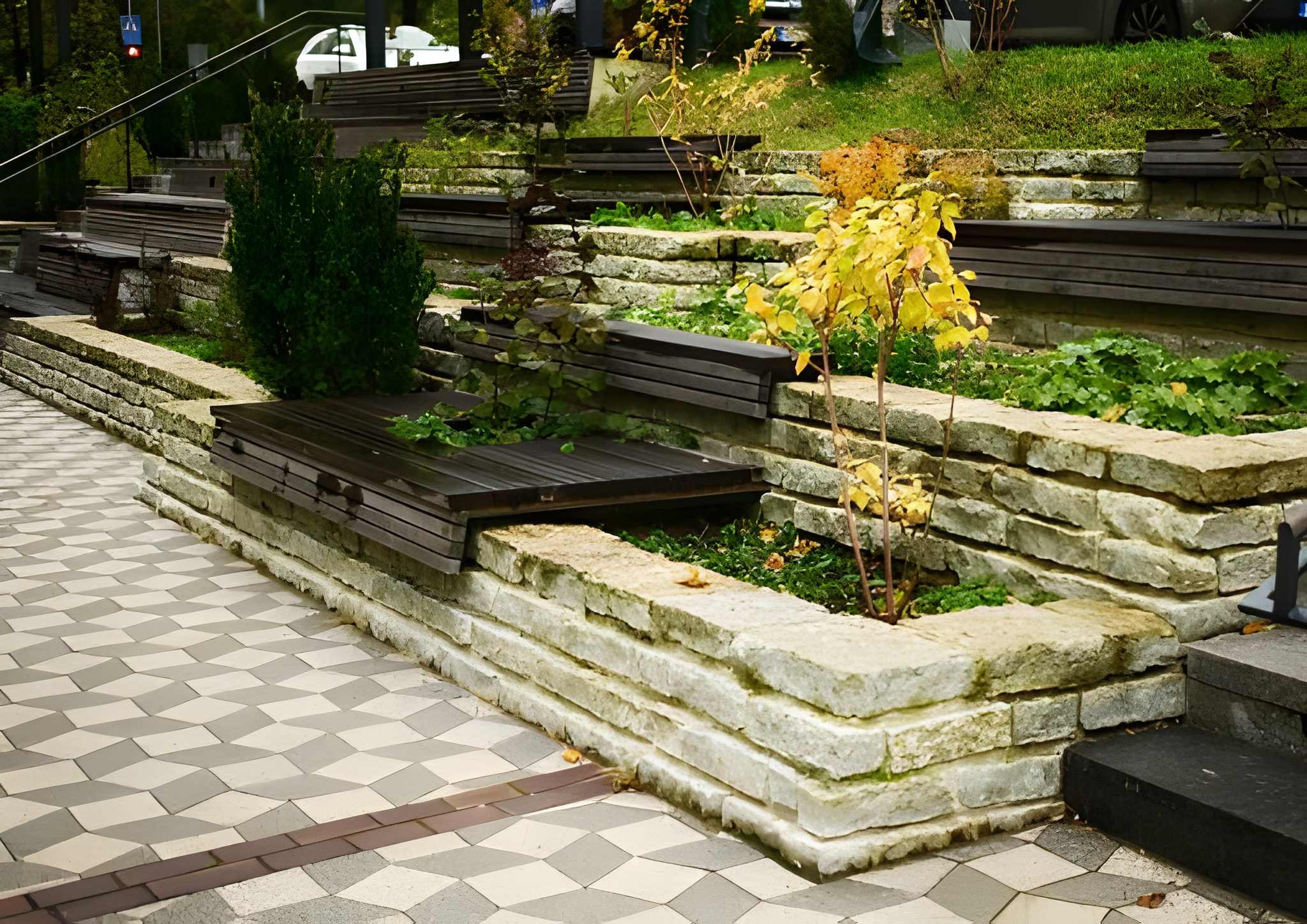
Many homeowners attempt surface-level fixes, only to find that the underlying issues persist. Uneven terrain affects drainage, restricts usable space, and complicates the placement of outdoor features. Addressing these problems requires solutions that provide strength, stability, and long-term reliability rather than temporary adjustments.
To manage these challenges effectively, homeowners often rely on experienced professionals such as K-ler Landworks to design and install retaining walls that support the landscape while enhancing overall usability. When properly planned, these structures transform difficult terrain into organized, functional outdoor spaces.
The primary function of structural landscape features is to control soil movement caused by gravity and water. On sloped properties, soil naturally shifts downhill, especially during heavy rain or seasonal changes. Without reinforcement, this movement leads to erosion, uneven surfaces, and potential property damage.
Structural solutions create a firm barrier that holds soil in place and stabilizes the ground. This support is essential for maintaining the integrity of the yard and preventing gradual deterioration. Over time, well-built structures help preserve both the landscape and nearby outdoor features.
Sloped yards often feel restrictive because they limit where activities can take place. Steep inclines make it difficult to add seating areas, gardens, or recreational spaces. Structural reinforcement helps reshape the terrain into more manageable sections.
By stabilizing slopes, homeowners can reclaim areas that were previously unusable. These improvements make it easier to plan outdoor layouts and increase the overall functionality of the yard without extensive ongoing maintenance.
Erosion is one of the most common issues in uneven outdoor spaces. Rainwater flowing downhill carries soil with it, gradually wearing away the landscape. This process not only damages plant life but can also affect nearby walkways, patios, and foundations.
Retaining walls act as a barrier that slows water movement and keeps soil in place. When paired with proper drainage systems, they help control runoff and reduce the long-term effects of erosion. This protection supports a healthier and more stable outdoor environment.
Water management plays a critical role in maintaining outdoor stability. Poor drainage can cause water to pool, weaken soil structure, and place pressure on landscape features. Over time, these issues lead to shifting ground and structural damage.
Properly designed retaining walls incorporate drainage solutions that redirect water away from vulnerable areas. This controlled flow reduces moisture buildup and helps maintain consistent soil conditions throughout the yard.
Flat surfaces are essential for most outdoor activities. Seating areas, walkways, play spaces, and gardens all require stable ground to function effectively. Uneven terrain limits where these features can be safely installed.
Structural solutions allow homeowners to create level sections within the yard. These flat areas expand design possibilities and support a wider range of outdoor uses, making the space more enjoyable and practical.
Sloped and unstable terrain can pose safety risks for residents and guests. Loose soil, sudden drops, and uneven walking surfaces increase the likelihood of slips and falls. These risks are especially concerning for children and older adults.
Stabilizing the landscape improves overall safety by reducing sudden elevation changes and preventing soil collapse. Clear, structured transitions between levels make outdoor areas easier to navigate and safer to use year-round.
Outdoor spaces are exposed to constant environmental stress from weather, foot traffic, and seasonal changes. Without proper support, these factors gradually weaken the landscape. Structural reinforcement helps protect the yard from long-term damage.
Well-designed retaining walls maintain their strength over time, preserving the layout and reducing the need for frequent repairs. This durability makes them a reliable investment for homeowners seeking lasting results.
While functionality is essential, visual appeal also matters. Structural elements can be designed to complement the overall look of the yard rather than detract from it. Material choice, shape, and placement all influence how these features blend with the surrounding environment.
Professionally planned installations ensure that retaining walls enhance both structure and appearance. When integrated thoughtfully, they add depth, definition, and character to the outdoor space.
Buyers often view stable, well-structured landscapes as a sign of proper care and quality construction. Addressing terrain challenges adds practical value by improving usability and reducing future maintenance concerns.
A yard that includes well-built retaining walls demonstrates long-term planning and attention to detail. These improvements contribute positively to overall property appeal and market value.
Unstable soil and erosion increase the time and effort required to maintain a yard. Constant repairs, replanting, and cleanup become common frustrations. Structural reinforcement minimizes these issues by keeping soil where it belongs.
With a more stable landscape, homeowners spend less time correcting problems and more time enjoying their outdoor space. Reduced maintenance needs make the yard easier to manage throughout the year.
Proper design and construction are critical to achieving reliable results. Experienced professionals understand how to assess soil conditions, drainage needs, and load requirements. This expertise ensures that retaining walls perform effectively over time.
With guidance from K-ler Landworks, homeowners benefit from solutions that address both structural challenges and design goals. Well-planned retaining walls provide stability, safety, and long-term functionality, helping transform uneven terrain into a dependable and attractive outdoor environment.
 Supriyo Khan
 Supriyo Khan
 Supriyo Khan
 Supriyo Khan

Want to add a comment?