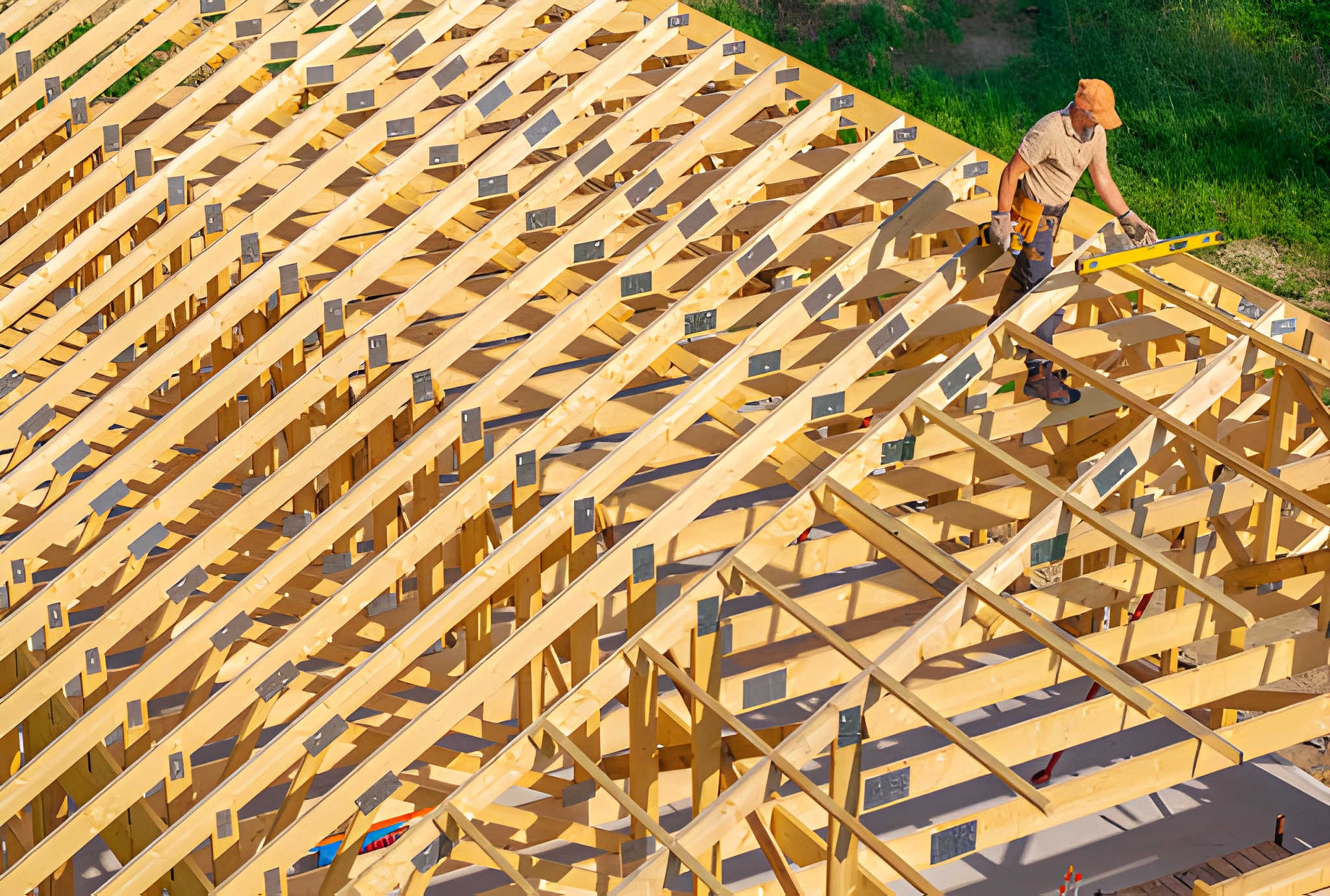
Building a new home involves countless decisions that affect comfort, durability, and long-term value. Among these decisions, the roofing system plays a critical role in shaping how the structure performs over time says Brentwood Square Management Franklin team. A well-planned roof protects the interior, supports energy efficiency, and ensures the home is prepared for years of exposure to the elements. When the roofing system is designed correctly from the start, it becomes one of the strongest assets of the entire structure.
Unlike replacement projects, new construction allows roofing systems to be installed without existing limitations. This creates an opportunity to integrate materials, ventilation, and layout seamlessly into the home’s design. Every component can be aligned precisely with the structure, creating a unified system that functions as intended. Proper planning during this phase prevents many common issues that arise later.
In this discussion, Mike Ragan Roofing is referenced as an example of a professional provider that supports long-term home performance through expertly designed new construction roofs built for durability, efficiency, and structural integrity.
New construction roofs are installed during the initial building phase, allowing the roofing system to be tailored to the home’s architecture. Unlike retrofitted systems, these roofs are designed in coordination with framing, insulation, and ventilation. This integration ensures that every layer functions together.
Because the roof is installed on a clean structure, materials sit evenly and securely. Proper alignment reduces stress points and improves resistance to weather. New construction roofs provide a strong foundation that supports consistent performance from the very beginning.
A coordinated approach ensures optimal roofing results.
The roof plays a vital role in stabilizing the home’s structure. It distributes weight evenly across walls and framing, helping the building withstand external forces. When installed correctly during construction, the roof enhances overall structural balance.
New construction roofs are designed with accurate load calculations and material compatibility. This ensures that the structure can support snow, wind, and environmental pressure without strain. Proper installation reduces the risk of sagging, shifting, or premature wear.
Structural stability begins with proper roofing design.
Energy efficiency is increasingly important in modern homes. Roofing systems directly influence indoor temperature control by regulating heat transfer. New construction roofs can be designed with advanced insulation and ventilation strategies to improve efficiency.
Proper airflow prevents heat buildup in attic spaces during warmer months and reduces heat loss during colder seasons. This balanced system reduces reliance on heating and cooling equipment. Homeowners benefit from lower energy bills and improved comfort throughout the year.
Efficient roofs contribute to consistent indoor climate control.
Homes face a wide range of weather conditions, including heavy rain, strong winds, and temperature fluctuations. New construction roofs are engineered to handle these challenges using modern materials and fastening techniques.
Proper sealing, flashing, and underlayment protect against moisture intrusion. These features reduce the risk of leaks and water damage. When installed during construction, weather-resistant components integrate seamlessly into the home’s structure.
Reliable weather protection supports long-term durability.
Roofing systems installed during new construction often require less maintenance compared to retrofitted roofs. Because materials are new and installation is precise, issues such as misalignment or improper sealing are minimized.
New construction roofs are built to meet current building standards, which enhances reliability. Fewer repairs and inspections are needed during the early years of ownership, reducing long-term maintenance costs and inconvenience. Similarly, working with experienced professionals like APD Foundation Repair ensures that your property’s foundation is just as dependable, helping you maintain overall structural integrity for years to come.
Lower maintenance supports peace of mind for homeowners.
New construction provides flexibility in selecting roofing materials, styles, and colors. Homeowners can choose options that complement the architectural design while meeting performance goals. This customization enhances both appearance and function.
Roof slopes, overhangs, and drainage systems can be planned in advance. This improves water management and reduces future issues. Design flexibility ensures that the roof enhances curb appeal while maintaining structural efficiency.
Thoughtful design improves both form and function.
Effective drainage is essential for roof longevity. New construction roofs allow gutters, downspouts, and drainage paths to be incorporated into the design from the start. Proper placement ensures water flows away from the structure efficiently.
Well-designed drainage reduces erosion, foundation stress, and moisture-related damage. Planning these elements during construction eliminates the need for later modifications.
Good drainage supports overall home protection.
A properly designed roof influences how comfortable a home feels. Balanced ventilation and insulation reduce temperature swings and drafts. New construction roofs support consistent indoor conditions by preventing heat buildup and moisture retention.
This results in quieter interiors, fewer hot or cold spots, and better humidity control. Comfort improvements enhance daily living and long-term satisfaction.
Comfort starts with proper roof design.
Homes with well-built roofing systems maintain value more effectively. Buyers appreciate new construction roofs because they reduce future repair concerns. A strong roofing system signals quality construction and attention to detail.
Roof longevity and performance contribute to market appeal. Homes with durable roofs often command higher prices and sell faster. Investing in quality roofing during construction yields lasting financial benefits.
Strong roofs support resale confidence.
Building codes evolve to improve safety and performance. New construction roofs are designed to meet or exceed current standards, ensuring compliance and reliability. This includes wind resistance, fire ratings, and energy efficiency requirements.
Meeting these standards reduces liability and improves long-term performance. Homeowners benefit from knowing their roof meets modern safety expectations.
Compliance enhances reliability and peace of mind.
Installing a roofing system during construction requires coordination with builders and architects. Professional roofers in Nashville understand how to integrate roofing components into the overall structure. Experience ensures proper sequencing and accurate installation.
Mike Ragan Roofing provides expertly installed new construction roofs that support structural strength, energy efficiency, and long-term performance.
Professional oversight ensures dependable results.
A roof installed during construction influences the home’s performance for decades. From energy efficiency to moisture control, the system affects every aspect of the structure. New construction roofs establish a strong foundation that supports consistent performance.
Homeowners benefit from fewer disruptions and greater confidence in their investment. A properly installed roof contributes to a stable and comfortable living environment.
Long-term success begins with strong construction choices.
New construction roofs play a vital role in creating a strong, efficient, and durable home. By supporting structural integrity, improving energy efficiency, enhancing weather resistance, and reducing maintenance needs, these roofing systems provide lasting value. When planned and installed correctly, the roof becomes a reliable asset that supports the home’s performance for years.
With professional expertise and thoughtful design, homeowners gain long-term protection and comfort. Mike Ragan Roofing demonstrates how high-quality new construction roofs contribute to durable structures, efficient living, and lasting property value.
 Supriyo Khan
 Supriyo Khan
 Supriyo Khan
 Supriyo Khan

Want to add a comment?