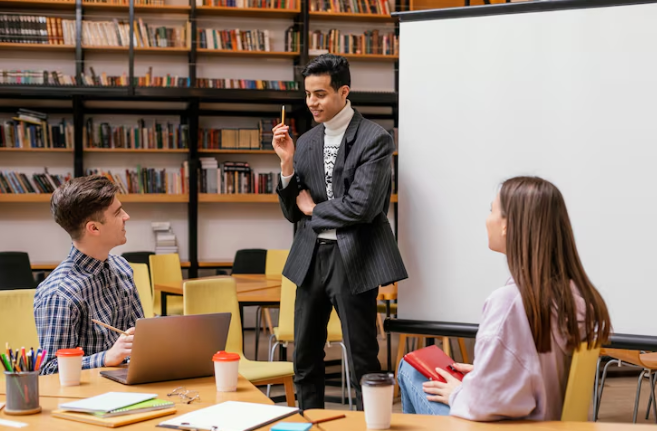
A student may score excellent marks and still struggle during interviews, group discussions, or collaborative projects later in life. Many parents across Mumbai now pay closer attention to how schools help children communicate clearly, listen carefully, and express ideas with maturity. International curricula increasingly encourage thoughtful interaction because communication shapes academic confidence as much as subject knowledge does. Strong communication habits also influence emotional intelligence, teamwork, and leadership abilities during school years. This article explores some lesser-discussed ways communication skills develop inside modern classrooms and why they matter deeply for long-term student growth.
Students do not always need immediate answers to become strong communicators. Many parents exploring the top IGCSE schools in Mumbai notice that some classrooms encourage observation before participation. Students first listen carefully, process information, and then respond with greater clarity during discussions.
This approach reduces pressure on children who require extra time to organize their thoughts confidently. It also improves classroom conversations because responses become more meaningful instead of rushed. Students gradually understand that communication involves listening patiently as much as speaking clearly before classmates and teachers.
Communication skills extend far beyond fluent English or confident public speaking. Students also learn how to disagree respectfully, respond calmly, and participate without dominating conversations during academic discussions.
Several IGCSE schools in Mumbai encourage these habits through structured classroom interactions and collaborative learning sessions. Students begin understanding how tone, patience, and respectful disagreement influence healthy communication. These subtle skills help children manage social situations more confidently because they learn how to express opinions without creating unnecessary conflict during group conversations.
Some international classrooms encourage reflective writing after projects, discussions, or academic activities. These exercises help students organize their thoughts privately before expressing their ideas publicly during classroom participation.
Reflection journals also improve emotional awareness because students examine personal reactions and academic experiences regularly. Teachers may discuss these reflections individually with students during mentoring sessions. This process strengthens internal communication gradually, which later improves verbal clarity and confidence during classroom discussions, presentations, and peer interactions throughout school life.
Students communicate differently when interacting with younger children compared to classmates or teachers. Schools that encourage cross-age collaboration help students develop patience, responsibility, and clearer communication habits naturally.
Older students sometimes assist younger groups during reading activities or collaborative projects. These interactions improve clarity and emotional sensitivity.
School events occasionally allow students to manage discussions or instructions independently. This experience strengthens leadership communication gradually.
Students also build confidence through casual academic interaction outside formal presentations. Comfortable communication grows steadily through these moments.
Many classrooms focus heavily on performance while overlooking how students handle feedback emotionally. International curricula usually encourage direct conversations between teachers and students regarding assignments, participation, and classroom behavior.
These discussions help children learn how to ask questions respectfully and respond calmly to constructive criticism. Students also become more comfortable seeking clarification instead of silently hiding confusion. Parents, comparing the IGCSE schools, increasingly value schools where communication includes honest academic dialogue rather than one-sided instruction during lessons and evaluations.
Research-based assignments help students communicate ideas with greater structure and accuracy. Instead of giving vague explanations, children learn how to support opinions with evidence and logical reasoning during presentations and discussions.
Students usually strengthen communication through:
Summarizing complex information clearly
Explaining viewpoints with supporting examples
Asking relevant follow-up questions confidently
Organizing ideas before classroom presentations
These habits improve academic expression while encouraging students to think carefully before speaking during collaborative academic activities.
Some students communicate confidently in small groups yet hesitate during larger classroom interactions. Mentorship programs and counseling support can help quieter students express ideas more comfortably without fear of judgment.
Teachers and mentors usually identify hesitation patterns during classroom participation and provide gradual encouragement. This support becomes valuable because communication confidence develops differently for every student. Families across Mumbai increasingly examine emotional support systems because communication skills depend heavily on classroom comfort and psychological safety during learning experiences.
Communication skills influence academic confidence, emotional maturity, teamwork, and leadership throughout a student’s educational journey. Students who communicate thoughtfully usually participate more comfortably during discussions, research tasks, and collaborative projects. Families across Mumbai now examine classroom interaction styles alongside academic performance during school selection. Parents exploring the top IGCSE schools in Mumbai should observe how schools encourage listening, respectful dialogue, reflective thinking, and constructive discussions during everyday learning experiences. These habits continue supporting students long after school life ends.
 Supriyo Khan
 Supriyo Khan
 Supriyo Khan
 Supriyo Khan

Want to add a comment?