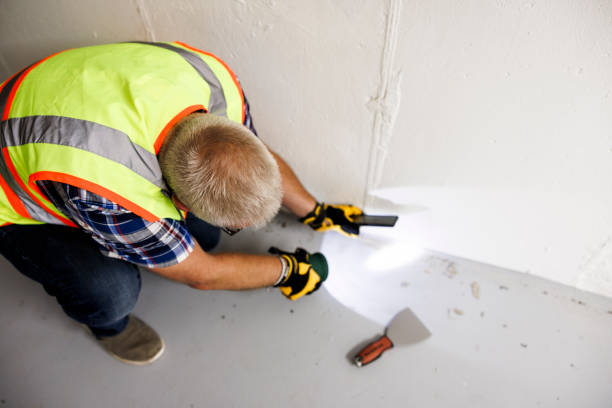
Basements are susceptible to structural issues that can affect both their integrity and functionality. Identifying signs of damage early and having a clear repair plan in place can help prevent these problems from escalating. Here are indicators that suggest it is time to get professional basement repair services:
Wet spots on walls and floors show the presence of moisture in your home. This occurs as a result of water leaking through cracks in concrete. Over time, as water penetrates porous bricks and concrete, the damages affect the stability of the structure. You may notice staining on walls, dark spots, and peeling paint. If moisture stays on surfaces, it often leads to biological growth
Basement repair professionals install interior water drainage systems that direct water away from walls and into sump pumps. Setting up waterproof membranes and drainage units outside the house prevents water from reaching the foundation. Have professionals conduct regular inspections to detect signs of moisture early and maintain a dry basement environment.
The shape and size of cracks help determine the extent of damage. Smaller cracks often result from natural settling. If the cracks are wide or follow a particular pattern, your foundation needs attention. Horizontal cracks signify soil pressure against the foundation. Stair-step cracks appear in a zigzag pattern following mortar joints in a brick wall, and can indicate shifting or settling in the structure.
Epoxy is a strong binding liquid that experts inject into cracks to repair the foundation. This application binds the crack together, strengthens the foundation, and prevents further water penetration. Experts use carbon fiber straps to reinforce the damage when cracks are large and cause walls to bend inward. Repair specialists attach these straps to the inner side of the wall to prevent additional movement while providing extra support.
Uneven soil movement below the concrete causes sagging in the basement floors. The shift can result in voids or sinking areas that compromise the floor’s stability, making it unsafe to walk on. Sagging floors may also affect walls by pushing them inwards due to the compression from the lateral soil pressure. This pressure intensifies when water gathers and exerts more pressure against the walls.
To restore sagging floors, experts inject a high-density polyurethane foam beneath the sunken areas. The foam fills up any empty voids and provides the support needed to level up the floor. If the floors are curved in, professionals place sturdy carbon fiber straps inside the basement walls. The straps reinforce the walls and prevent them from shifting any further. Experts add steel reinforcements if the walls need additional strength. Inspection helps to determine the extent of wall movement and informs a tailored repair plan that enhances the overall stability and safety of the home.
Water accumulating in a basement to form puddles during the rainy season indicates drainage issues. Small pools of water increase humidity, risking damage to your basement walls, floors, and ceilings. Experts evaluate the efficiency of drainage both indoors and outdoors to design effective systems that control the water flow and direct it away from your home. Early intervention to address water pooling reduces soil erosion risks and protects the structural integrity of the foundation and basement walls.
Experts accurately diagnose your basement repair needs and apply appropriate solutions that preserve your home’s foundation. Homeowners who notice any of the aforementioned signs should schedule prompt inspections with reliable basement repair contractors. When hiring basement repair experts, confirm that they use proven repair technologies that will offer long-lasting results. Find experienced repair providers today to implement long-term basement solutions.
If you notice persistent water issues or structural concerns in your basement, it's crucial to act swiftly. Ignoring these problems can lead to more significant damage and costly repairs. Consulting with a professional can provide peace of mind and ensure that the job is done correctly. For those unsure about the severity of their basement issues, it's wise to seek expert advice. To explore more about professional basement repair services and find reliable solutions, check out the official site. This resource can guide you in making informed decisions, ensuring your home remains safe and sound. Supriyo Khan
 Supriyo Khan
 Supriyo Khan
 Supriyo Khan

Want to add a comment?